Top Foods for a Shiny Persian Cat Coat: Nutrition for Healthy Fur
There’s no mistaking a Persian cat — that long, silky coat and majestic demeanor turn heads everywhere. But here’s the secret: that show-stopping fur isn’t just genetics. It’s fueled from within. Studies have shown that when cats get the right balance of essential fatty acids, their skin and coat health can visibly improve within weeks.
In this guide, we’ll dive into the nutrients that help your Persian’s coat truly glow, how to pick the right food for lasting shine, and which ingredients to look for (and avoid) to keep that glamorous look in top form every single day.
Why Persians Need Specialized Nutrition for a Coat That Dazzles
- Persian Anatomy & Coat Demands
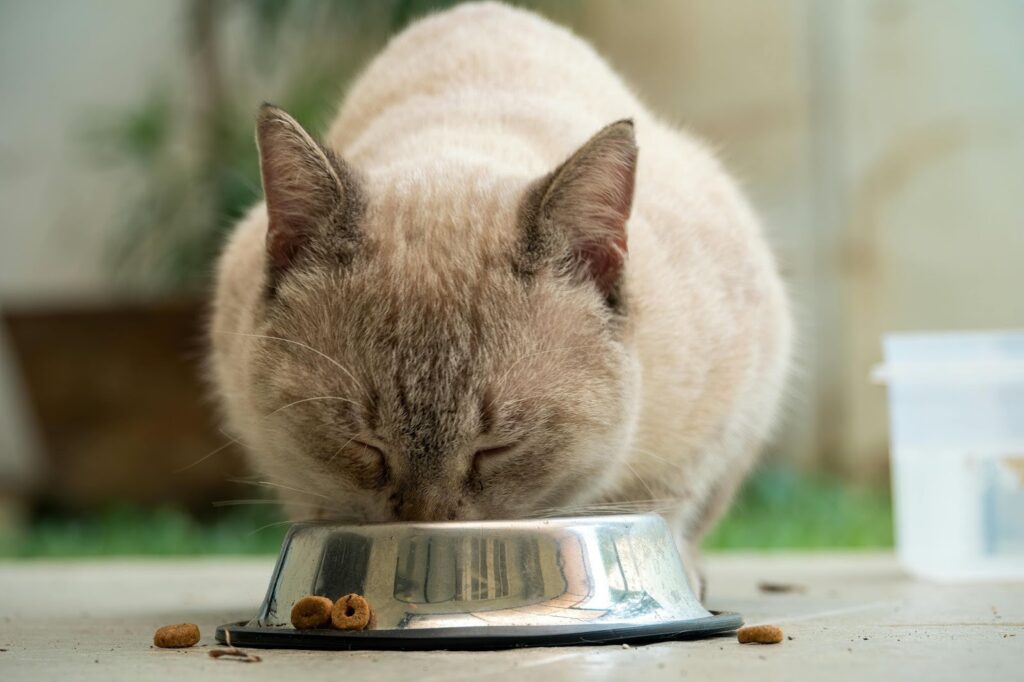
That iconic Persian coat doesn’t just happen — it needs the right fuel. Their long, dense fur demands a steady supply of protein, healthy fats, and hydration to stay soft and tangle-free. On top of that, Persians’ flat faces (known as brachycephalic structure) can make eating tricky, meaning their food should be easy to pick up and chew comfortably. - Common Coat Problems in Persians
Without proper nutrition, even the most pampered Persian can struggle with coat issues. Dull or brittle fur, matting, excessive shedding, and frequent hairballs are all signs the diet may be missing key nutrients. Add in their often-sensitive digestion and lower activity levels, and it’s easy to see why tailored nutrition matters so much for this breed. - The Science of Coat Nutrition
A glossy coat starts at the cellular level. Essential fatty acids like omega-3 and omega-6 play a major role in maintaining skin health and fur quality (source: Veterinary Practice). High-quality animal proteins supply the amino acids needed for hair growth, while hydration and trace minerals like zinc and biotin keep hair follicles strong. Together, these nutrients give Persians that signature silky, full-bodied shine.
Key Nutrients for Healthy Fur in the Persian Breed
- High-Quality Animal-Based Protein
For Persians, protein is the foundation of beauty. Look for foods with real meat listed first — chicken, turkey, salmon, or lamb. These provide the amino acids needed for strong hair shafts, supple skin, and lean muscle. Avoid foods that rely on “meat by-products,” which often lack consistent nutritional value. - Essential Fatty Acids (Omega-3 & Omega-6)
The secret to that trademark Persian gloss lies in healthy fats. Omega-3s like EPA and DHA support skin hydration and reduce inflammation, while omega-6s encourage natural oil production for sheen and softness. The right balance between the two is crucial for maintaining coat vibrancy and preventing dryness. - Vitamins and Minerals
Micronutrients work quietly behind the scenes. Vitamins A and E help skin cells regenerate, while biotin and zinc keep follicles strong and fur resilient. A deficiency in any of these can quickly show up as dullness, shedding, or itching. - Moisture and Hydration
Persians often don’t drink enough water on their own, so adding wet food or broth-rich meals helps keep their skin supple and fur soft. Hydration supports natural oil distribution, reducing dryness and dandruff. - Ingredients to Avoid for Coat Health
Steer clear of foods overloaded with fillers, refined carbs, or artificial additives. Synthetic colors, vague “meat meal” sources, and harsh preservatives can irritate sensitive systems and dull that royal shine over time.
Choosing the Right Food for Shiny Fur: Dry vs. Wet & Breed-Specific Tips
| Category | Benefits | Considerations for Persians | Expert Tips |
| Dry Food | Convenience stores well, can help reduce tartar buildup. | Choose kibble with smaller, rounded shapes to suit flat-faced (brachycephalic) cats. | Mix with wet food or a topper for added moisture and flavor variety. |
| Wet Food | Rich in moisture and protein, easier to chew and digest. | Ideal for cats with sensitive digestion or low water intake. | Rotate protein sources like salmon or turkey to maintain coat gloss. |
| Breed-Specific Persian Formulas | Tailored for coat care, hairball control, and digestive comfort. | Often includes omega-rich oils and specialized kibble shape for easy pickup. | Look for reputable brands with transparent ingredient sourcing. |
| Meal Planning & Transition | Supports gradual adjustment and long-term coat improvement. | Helps avoid stomach upset and maintains consistent nutrition. | Introduce new food over 7–10 days; track coat softness and shedding patterns. |
Food Features to Look For vs. Avoid
| Feature | What to Look For (Supports Shiny Coat) | What to Avoid |
| Protein source | Named meat (chicken, fish, turkey) as first ingredient | “Meat by-products”, vague “animal derivatives” |
| Fatty acids | Fish oil, salmon oil, balanced omega-3/6 | High carb fillers, unnatural oils |
| Moisture content | Wet food, high-moisture dry or semi-moist | Dry diets alone without hydration support |
| Coating & texture | Smaller kibble for flat-faced Persians; smooth wet food | Oversized kibble, hard to chew shapes |
| Additives | Natural preservatives, no artificial colours | Artificial dyes, flavour enhancers, unneeded fillers |
| Brand claims | Clear nutrition, coat/skin support, hairball control | Vague marketing, “all meat” claims without detail |
Feeding Schedule & Practical Tips for Coat Maintenance
Persians may look royal, but their beauty routine needs real consistency — especially when it comes to food and grooming. Here’s how to keep that coat glossy and soft day after day:
- Serve balanced portions: Adjust meal sizes according to your cat’s weight and activity level. Overfeeding can dull the coat and lead to weight gain.
- Stick to a routine: Two meals a day for adults work best, while growing kittens do better with three smaller meals.
- Hydration is key: Persians aren’t always big drinkers, so a cat fountain can encourage them to sip more great for skin and coat health.
- Brush regularly: A few minutes of daily grooming helps remove loose fur, prevents tangles, and boosts circulation to the skin.
- Watch for signs: A shiny, smooth coat means the diet’s on track. If fur starts looking dry, flaky, or matted, it’s time to reassess nutrition or hydration.
A steady feeding rhythm and mindful grooming routine will do wonders — it’s the perfect mix of care and consistency that keeps your Persian’s coat camera-ready every single day.
Conclusion: From Bowl to Glossy Fur — The Nutritional Path
Your Persian’s coat is more than just beauty — it’s a reflection of their overall well-being. Choosing foods packed with high-quality protein, balanced fatty acids, and essential nutrients (while skipping fillers and artificial additives) lays the groundwork for that silky, radiant fur. Consistent grooming and proper hydration complete the care routine, helping your Persian look and feel their best every day.
💚 Ready to give your Persian the royal treatment?
Discover more vet-approved cat nutrition tips and care guides at Meow Care Hub — where a healthy diet leads to happy, glossy coats and purrs of satisfaction. 🐾✨
FAQs
Q1: How long does it take for a diet change to show on my Persian’s coat?
A: Typically you may notice improvements in skin and coat within 4-8 weeks once you’ve switched to a high-quality diet with good fats.
Q2: Is wet food always better for Persian cats?
A: Wet food helps with hydration and often has higher protein content — both beneficial for Persians. But high-quality dry food with the right nutrients and kibble size can also be suitable.
Q3: Can I feed supplements instead of changing food?
A: Supplements (like fish oil) can support coat and skin health, but they should not replace a complete balanced diet tailored for Persians. Consult your vet.
Q4: My Persian sheds a lot — is this normal?
A: Some shedding is normal, but excessive shedding or dull fur may indicate diet issues, health problems or grooming neglect. Review diet and check with your vet.
Q5: Do older Persian cats need different food for coat health?
A: Yes — senior Persians may require diets with easier-to-chew textures, joint support, and maintenance of protein/fat levels to preserve coat and health.