Why Your Cat Gets Annoyed With You: Common Mistakes That Stress Cats Out
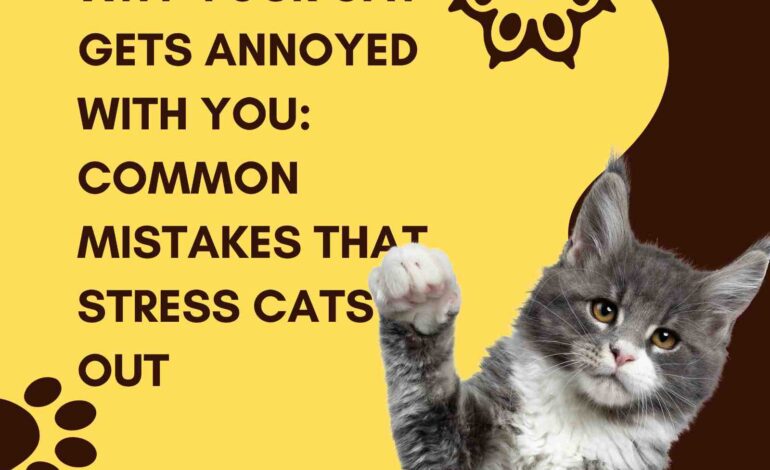
Ever feel like your cat gets annoyed with you for no reason? Chances are, they’ve been trying to communicate, you just haven’t been reading the signs. This guide breaks down the subtle signals cats use to show stress and the everyday habits that unknowingly trigger it, from over-petting to disrupting routines. More importantly, it shows how small, simple changes can transform your cat’s mood and behavior. Once you understand what actually bothers them, everything shifts. A calmer, happier cat isn’t about doing more, it’s about doing the right things, in the right way.
Have you ever caught your cat giving you that look? The slow blink that is not quite affectionate, the tail that starts flicking the moment you sit beside them, the sudden bolt from the room when you reach out to pet them? If any of that sounds familiar, there is a good chance your cat is trying to tell you something important.
Stress is one of the most frequent symptoms affecting cats’ health and behavior, yet most pet parents never realize they are the source of it. According to veterinary experts at Animal Care Center of Castle Pines, it can be genuinely difficult to tell whether something is wrong or whether a cat is simply being a cat. The truth is, many of the things that stress cats out happen every single day, in ways that feel completely normal to us but feel like a big deal to them.
Here is a look at what is really going on, and how to make things better.
Rather watch than read? We’ve got you covered, see the full video here!
How to Tell When Your Cat Is Annoyed or Stressed?
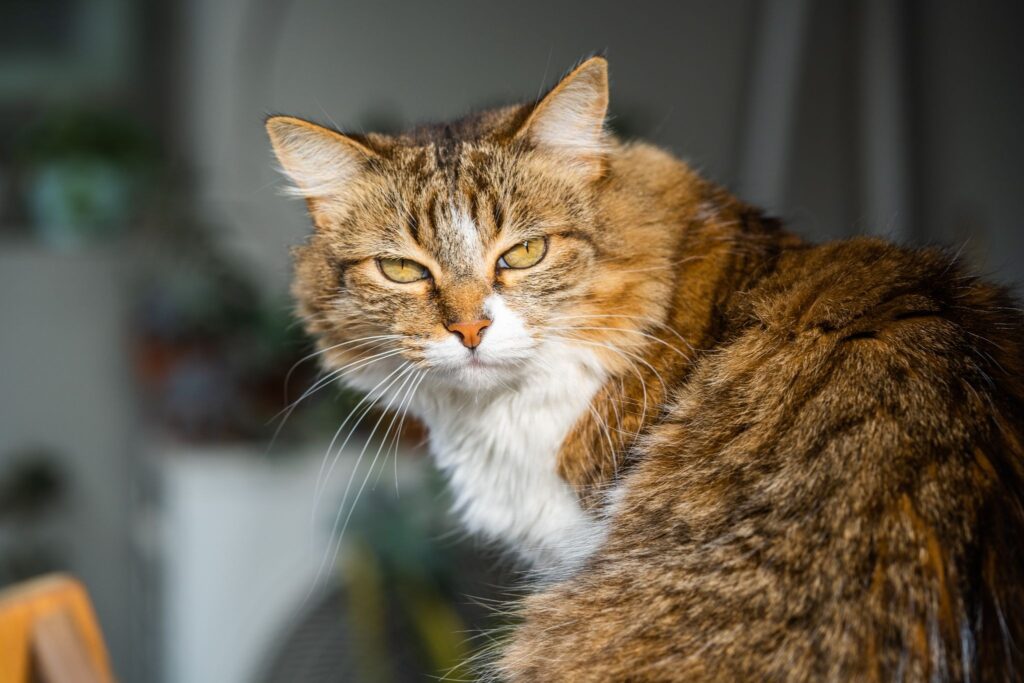
Cats are not dramatic about their discomfort. They are actually quite polite about it, at least at first. Before a cat ever hisses or swipes, they send out a whole series of quiet signals that most people miss entirely.
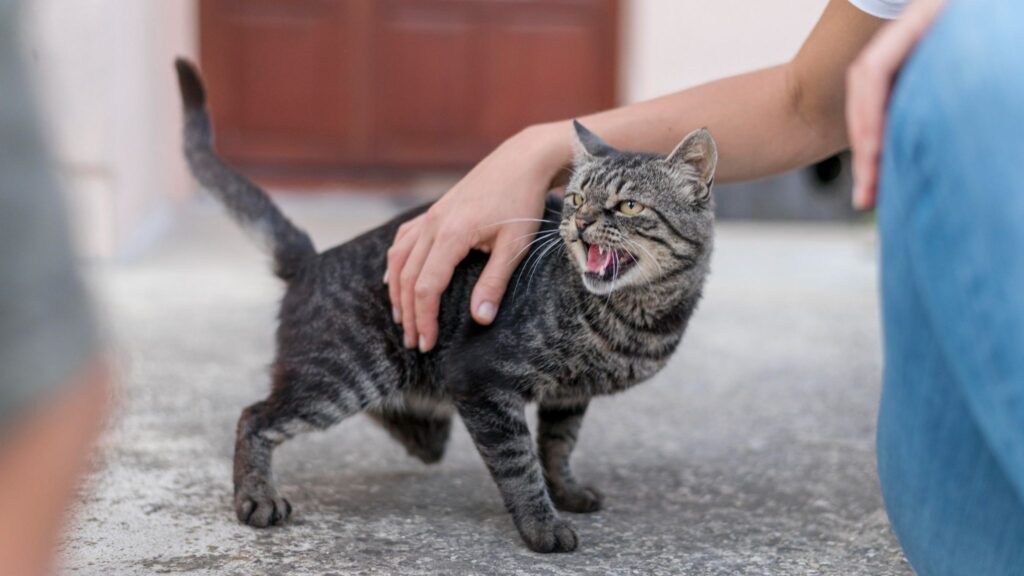
Watch for tail flicking, ear twitching, skin rippling along the back, a body that suddenly goes stiff, or eyes that dart toward the door. These are the polite warnings, according to PetMD. When those signals get ignored, cats have no choice but to escalate. That is where the scratching, biting, and sudden aggression come from. It rarely appears out of nowhere. It builds.
On the physical side, stress in cats can show up as urinating outside the litter box, diarrhea, reduced appetite, excessive grooming, or unusual clinginess. These are not behavioral quirks to brush off. They are a cat’s way of saying that something in their world feels off.
10 Common Mistakes That Stress Cats Out
1. Waking Them Up Abruptly
Cats sleep up to 16 hours a day, and that sleep is not laziness. It is a biological necessity. When a cat gets startled out of deep sleep, they feel vulnerable and disoriented. If waking a cat is unavoidable, a soft voice and a gentle touch go a long way. Nobody, human or feline, enjoys being dragged out of a dream.
2. Interrupting Mealtime
To a cat, food is not just food. It taps into deep survival instincts. Petting them mid-meal, moving their bowl, or calling them away while eating can feel like a genuine threat. In homes with multiple cats, separate feeding stations are a simple fix that prevents a surprising amount of tension.
3. Taking Away Vertical Space
Height means safety in a cat’s world. Tables, shelves, counters, the top of the refrigerator, these are not random choices. They are strategic positions that make a cat feel secure. Constantly scolding a cat for climbing without offering alternatives creates real frustration. Cat trees, wall-mounted shelves, and window perches turn a “no” into a “yes, just over here instead.”
4. Pushing Them Away When They Climb
A cat climbing up a leg or jumping onto a lap is not misbehavior. It is communication. They are seeking height, attention, or both. Reacting with frustration makes them anxious. Redirecting them with positive reinforcement and appropriate climbing spots works far better than any amount of scolding.
5. Removing Plants Without Safe Substitutes
Cats are drawn to plants by texture, scent, and sheer curiosity. Some plants are genuinely toxic to cats, which makes managing this important. But removing every plant without offering a safe alternative adds to a cat’s frustration. Cat grass is an easy, inexpensive solution that satisfies the same instinct.
6. Over-Petting
This one catches a lot of people off guard. A purring cat does not always mean a cat who wants endless affection. Overstimulation is real, and cats signal it with tail flicking, skin twitching, and a body that starts to tense. When those signs get ignored, a scratch or bite is the next logical step. Letting a cat set the pace for affection actually builds more trust, not less.
7. Treating Them Like Small Humans
Costumes, loud parties, crowded living rooms, and being carried around like a baby might feel like love to an owner. To a cat, those experiences feel restrictive, overwhelming, and deeply stressful. Cats are independent hunters by nature. They need quiet spaces to retreat to, especially during gatherings, and they need their feline instincts to be respected rather than overridden.
8. Rough or Startling Play
Pulling tails, jump scares, and shaking a cat around are not play. They are stress triggers that chip away at trust over time. Cats thrive with hunting-style play: feather wands, moving toys, chase simulations. Play is supposed to build the bond, not break it.
9. Blocking Access to the Outside World
Even indoor cats need a connection to the world beyond the walls. Watching birds, feeling sunlight, smelling fresh air through a cracked window, these experiences provide essential mental stimulation. Secured windows, screen balconies, and window perches are practical ways to keep an indoor cat mentally balanced and engaged.
10. Providing No Stimulation at All
This is the biggest mistake of all, and it happens in the most well-meaning homes every single day. A bored cat is a stressed cat. Without toys, climbing routes, puzzle feeders, and daily interactive play, cats develop behavior problems, anxiety, and even weight gain. Just 10 to 15 minutes of engaged, interactive play per day can completely shift a cat’s mood, health, and overall temperament.
What Actually Causes Cat Irritation at the Root Level?
Cats are territorial animals who need enough space to feel secure. When other animals, including cats seen through a window, encroach on that territory, stress builds fast. Loud environmental noises like construction, car alarms, or even consistent loud music have a measurable impact on a cat’s wellbeing.
Routine changes hit cats particularly hard. Moving to a new home, remodeling, adding a new family member, hosting long-term guests, or even a shift in the owner’s work schedule can send a cat into a period of real anxiety. During those transitions, extra attention, consistency in feeding and play, and access to a quiet retreat space make an enormous difference.
A real example worth considering: Imagine a four-year-old tabby whose owner begins working night shifts. Within two weeks, the cat starts urinating outside the litter box and hiding under the bed. Both are textbook signs of stress triggered by a disrupted routine. The fix is not complicated: restored feeding times, a puzzle feeder, and consistent evening play. Behavior normalizes quickly when the routine does.
One important note from veterinary experts at Animal Care Center of Castle Pines: if a cat’s behavior changes suddenly and dramatically, it is always worth a vet visit. Stress can sometimes mask or be caused by underlying health issues that only a professional can identify. And never give a cat any medication unless it is prescribed by a veterinarian.
How to Build a Calmer, Happier Life for a Cat
Creating a stress-free environment does not require a complete home overhaul. It requires attention to a few consistent fundamentals.
Respecting boundaries is the foundation. Letting a cat initiate affection, rather than forcing it, builds more genuine connection over time. Maintaining a predictable daily routine for feeding, play, and rest gives cats the sense of control they instinctively crave.
Environmental enrichment matters more than most owners realize. Puzzle feeders, rotating toys, climbing structures, and window perches address both physical and mental needs. Multiple food and water stations are worth considering too, since cats often prefer having more than one spot to access both.
A clean, always-accessible litter box is non-negotiable. Tidiness is a core feline value, and a dirty or blocked litter box is one of the fastest paths to stress-related behavior problems.
Finally, every cat needs at least one safe, quiet hideaway where they can decompress without being disturbed. This is especially important in homes with other pets.
Conclusion
A cat that seems annoyed, distant, or unpredictably aggressive is almost always a cat that has been trying to communicate something for a while. The good news is that most of what stresses cats out is entirely fixable, once the right information is in place.
Small, consistent changes make a real difference. Respecting mealtime, adding a window perch, committing to 15 minutes of daily play, or simply letting a cat decide when it wants affection, these are not big asks. But to a cat, they signal something important: that their needs are being seen and taken seriously.
That shift in understanding changes the whole relationship.
For more practical, cat-first guidance, explore Meow Care Hub and build a calmer, happier routine for your cat.
Frequently Asked Questions
A sudden shift in a cat’s mood toward their owner is almost always linked to a change in routine, overstimulation from petting, a new person or animal in the home, or an environmental disruption like loud noise or moved furniture. Cats are deeply sensitive to their surroundings, and even minor changes can register as significant stressors.
The most common mistakes include over-petting, waking cats abruptly, forcing interaction, ignoring subtle body language warnings, eliminating environmental enrichment, and breaking daily routines. These are the leading drivers of cat behavior problems in households across the United States.
Cats do give warnings, but those warnings are easy to miss. Tail flicking, skin rippling, ear pinning, and body stiffening are all early signals. When those cues go unnoticed or unaddressed, escalation to hissing, scratching, or biting is the natural next step. Sudden aggression is almost always a response to overstimulation, fear, pain, or prolonged stress.
Behavioral and physical changes are the key indicators. Hiding, inappropriate urination, over-grooming, appetite changes, and unusual clinginess go beyond typical cat behavior. When multiple signs appear together or persist over time, a veterinary consultation is the right move.
Consistent daily routines, vertical spaces, safe hiding spots, interactive play, a clean litter box, and multiple feeding stations are all effective strategies. Avoiding forced interaction and allowing a cat to set the pace for affection also plays a significant role. A stimulated, respected cat is a calm, healthy, and far more affectionate companion.
The content is for informational purposes only and is not a substitute for professional veterinary advice, diagnosis, or treatment, always consult a licensed veterinarian for your cat’s health concerns.