Top 5 Healthiest Cat Foods for Indoor Cats: Nourish Your Feline with the Best Diet

Indoor cats face a different set of nutritional challenges than outdoor cats, less exercise means a higher risk of weight gain, and frequent self-grooming makes hairballs a near-constant issue. The best indoor cat foods are formulated specifically to address these two problems while still delivering complete nutrition. Here’s what to look for, illustrated through five strong formulation types.
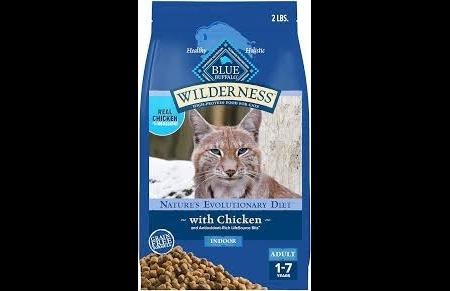
1. High-Protein Formula with Antioxidant Support
Look for a formula listing real chicken as the first ingredient, this means more usable protein for lean muscle maintenance, especially important since indoor cats burn fewer calories and need quality protein rather than excess fat or filler. Easily digestible carbohydrates like brown rice and oatmeal provide steady energy without contributing to weight gain. A blend of vitamins, minerals, and antioxidants supports immune health and helps balance oxidative stress, while added natural fiber assists with hairball control.
Pros:
- High-quality protein source
- Balanced antioxidant support
- Helps manage hairballs
- Free of artificial preservatives
Cons: Tends to cost more; palatability varies by cat
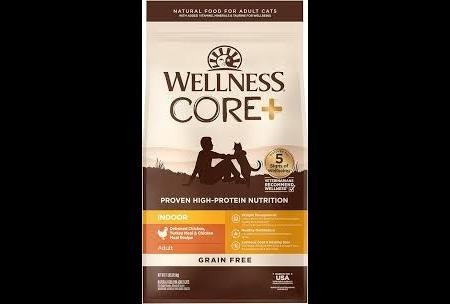
2. Grain-Free High-Protein Formula
For cats that don’t tolerate grains well, a grain-free formula built around turkey and chicken offers lean protein without common digestive irritants. Fiber-rich ingredients like peas and potatoes aid digestion and help cats feel full longer, useful for weight control. Taurine (essential for heart and eye health) and omega fatty acids (for skin and coat health) round out the nutritional profile.
Pros:
- Strong protein quality,
- Supports eye/heart health via taurine,
- Good for weight management
Cons:
- Grain-free isn’t necessary for every cat and some cats adjust to it poorly
- Higher cost
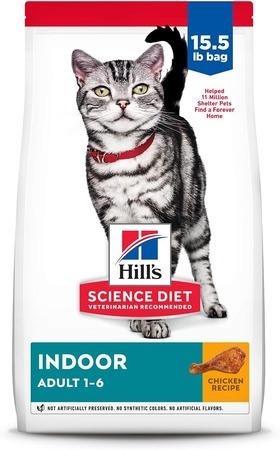
3. Veterinarian-Recommended Digestive Formula
Formulas built around chicken protein with added natural fibers specifically target the two biggest indoor-cat complaints: hairballs and digestive upset. Antioxidants including vitamins C and E support immune function and healthy aging, making this a solid option for multi-life-stage indoor cats.
Pros:
- Backed by veterinary formulation standards,
- Strong digestive and immune support
Cons:
- Not ideal for cats with specific protein sensitivities;
- Premium pricing
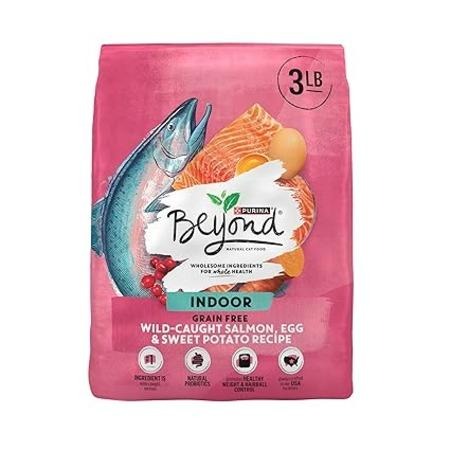
4. Budget-Friendly Probiotic Formula
You don’t have to pay premium prices to get real chicken as the main protein source. Look for formulas with added probiotics, which support gut health, particularly helpful for indoor cats prone to digestive sluggishness from lower activity levels. Whole grains like rice and barley provide energy without excess calories, and recipes free from corn, soy, and wheat work well for sensitive stomachs.
Pros:
- More affordable
- Probiotic-supported digestion
- Avoids common allergens
Cons:
- Less palatable to some cats
- Not grain-free if that’s a requirement
5. Farm-Raised Protein with Omega Support
Farm-raised chicken as the primary ingredient, paired with brown rice and sweet potato for fiber and steady energy, makes for a clean, additive-free formula. Added omega fatty acids and taurine support coat shine, heart function, and immune strength, while natural fiber helps reduce hairball frequency.
Pros:
- Clean ingredient list
- Strong coat and heart health support
- Good fiber content
Cons:
- Slightly pricier
- Some cats need a gradual transition
What to Look for in Healthy Cat Food for Indoor Cats
Choosing the healthiest food for your indoor cat can be overwhelming with so many options available. Here are some key factors to consider when selecting the best cat food:
1. Protein Quality
Cats are obligate carnivores, meaning they need animal-based protein to thrive. Look for cat foods with real meat (like chicken, turkey, or salmon) listed as the first ingredient. Protein supports muscle maintenance and energy levels, which is especially important for indoor cats that may be less active than their outdoor counterparts.
2. Fiber Content
Fiber is essential for indoor cats because it helps regulate digestion and prevent hairballs. Since indoor cats groom themselves more frequently, they are more prone to ingesting hair, which can lead to digestive issues. Foods high in natural fibers, such as brown rice, sweet potatoes, and peas, help manage this issue.
3. Weight Management
Indoor cats tend to have lower activity levels, making them more susceptible to weight gain. Look for foods specifically designed for indoor cats, as they usually contain fewer calories while providing the necessary nutrients. These formulas often include ingredients that promote satiety, like high-quality proteins and fiber.
4. No Artificial Additives
The healthiest cat foods avoid artificial preservatives, colors, and flavors. These additives can sometimes cause allergic reactions or digestive issues in cats. Opt for foods that use natural preservatives like tocopherols (vitamin E) and contain only natural flavors.
5. Digestive Health
Indoor cats may be more prone to digestive issues due to reduced physical activity. Foods that contain probiotics, prebiotics, or other digestive aids can help keep your cat’s gut healthy. Natural ingredients like pumpkin, sweet potatoes, and brown rice are also excellent for supporting digestion.
What Makes Indoor Cats’ Diets Different?

Indoor cats typically have different nutritional needs compared to outdoor cats. Since indoor cats don’t get as much exercise, they are more prone to weight gain, hairballs, and sometimes even boredom-related health problems. Their diet needs to be tailored to ensure they stay healthy and active, even with their relatively sedentary lifestyle.
- Weight Control: Indoor cats tend to be less active, so their food needs to be lower in calories but still high in essential nutrients to prevent obesity-related health problems.
- Hairball Control: Indoor cats groom themselves more often, making them more susceptible to hairballs. Look for cat food with added fiber to aid digestion and help pass ingested hair through the digestive tract.
- Mental Stimulation: Some cat foods even contain ingredients that promote cognitive health, which can be particularly beneficial for indoor cats that may not have as much environmental enrichment as outdoor cats.
Final Thoughts on the Healthiest Cat Foods for Indoor Cats
Feeding your indoor cat the right food can make a significant difference in their health and well-being. From controlling their weight to preventing digestive issues, the right diet supports your cat’s overall quality of life. The top 5 cat foods mentioned in this blog offer a variety of benefits, from high-quality protein sources to fiber for hairball control. Choosing any of these options will help ensure your indoor cat stays healthy, happy, and active for years to come.