Low-Calorie Cat Foods for Overweight British Shorthairs
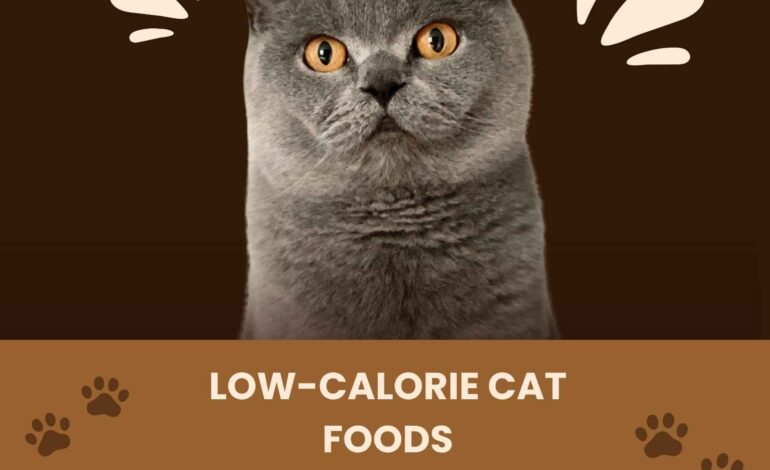
Got a cuddly British Shorthair who’s starting to look more round than regal? You’re not alone. These adorable felines are famous for their plush coats, teddy-bear faces, and, yes — their tendency to pack on the pounds. Studies have shown that British Shorthairs are more prone to obesity than many mixed-breed cats, thanks to their calm personalities and love for lounging.
That’s why choosing the right low-calorie cat food for British Shorthairs is more than just a diet decision — it’s an investment in their long-term health. In this guide, we’ll break down the best cat food for overweight British Shorthairs, explain why regular kibble isn’t always ideal, and share how low-fat, high-protein cat food for overweight cats can help your feline stay strong, sleek, and full of life.
Why British Shorthairs Need a Special Diet
If you’ve ever shared your home with a British Shorthair, you know exactly how that plush, round body can go from “cute and cuddly” to “hmm, maybe a little too cuddly.” These cats aren’t lazy — they’re just naturally calm and easygoing, with a slower metabolism that doesn’t burn off calories as fast as their more active cousins. That combination makes portion control and smart nutrition extra important.
1. A Breed Built for Cuddles, Not Cardio
British Shorthairs were bred for sturdiness, not sprints. Their dense bones and solid build give them that adorable teddy-bear silhouette, but it also means they don’t burn energy as quickly. In fact, studies show British Shorthairs are one of the breeds most prone to obesity. So, it’s not about willpower — it’s about biology.
2. The Hidden Dangers of Extra Pounds
Those extra ounces aren’t just a cosmetic concern. A few too many treats can quietly lead to big health problems — diabetes, joint stress, urinary issues, and even a shorter lifespan. And because BSH cats are already heavy-boned, even a little extra fat can strain their body more than you’d think.
3. Why Regular Cat Food Isn’t Enough
Most commercial cat foods are made for the “average” feline, not a plush powerhouse like the British Shorthair. They tend to have more carbs and fat than this breed really needs. What works better? A diet that’s low in calories but rich in high-quality protein — the kind that builds lean muscle without adding bulk. Just enough healthy fat keeps that signature velvety coat soft and shiny.
In short, British Shorthairs aren’t your average cat — and that’s part of their charm. But that means their diet shouldn’t be average either.
What to Look for in a Low-Calorie Diet for British Shorthairs
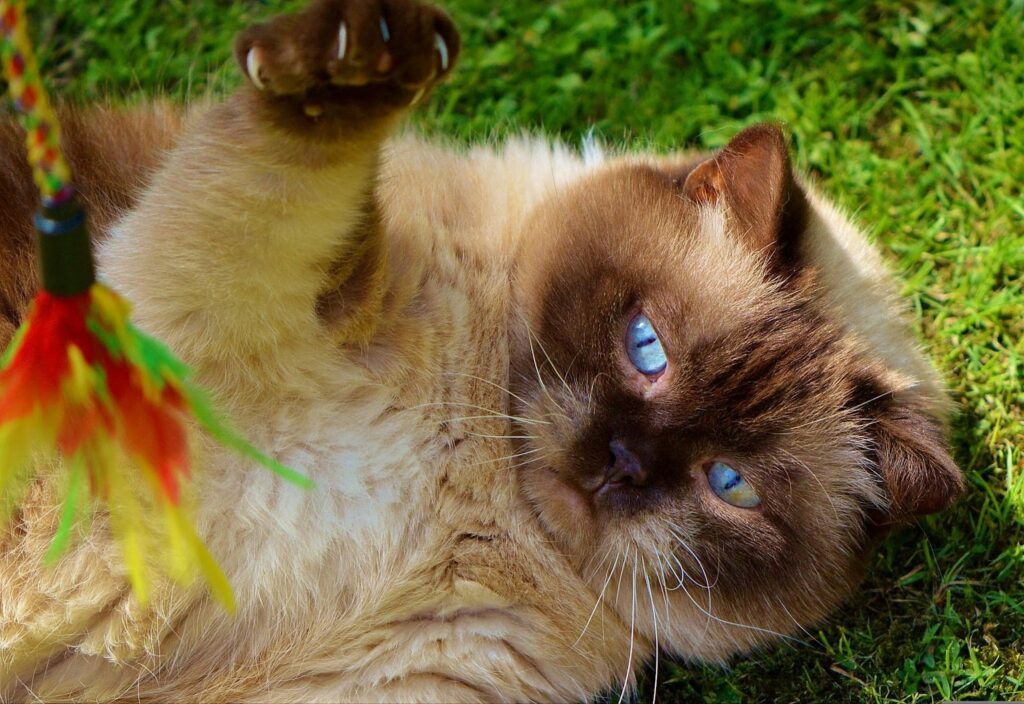
Feeding a British Shorthair is a bit like cooking for a friend who loves food but hates the gym — you’ve got to strike the right balance between flavor and fitness. These cats are naturally solid, sofa-loving companions, so choosing the right diet can make all the difference.
1. Focus on What Really Fuels Them
Forget the flashy “diet” labels. Look for what’s inside the bag.
- Real meat first. Chicken, turkey, or salmon should lead the ingredient list. Protein builds muscle and keeps that classic British Shorthair body strong, not soft.
- Moderate, not zero, fat. Fat keeps the coat silky and organs healthy — you just don’t want excess calories your cat can’t burn.
- Fewer fillers. Skip foods heavy in corn, wheat, or potatoes. Cats are carnivores, not carb-loaders.
- Reasonable calorie count. Enough to satisfy, not to stuff.
2. Why “Low-Fat” Doesn’t Mean “Low-Quality”
Some owners hear “low-fat” and worry the food will be bland or unsatisfying. But for BSH cats, trimming fat is about balance, not deprivation. They simply don’t move as much as a lean, lanky Siamese. The goal is to give them what their body can use — not store. The bonus? That signature plush coat still shines beautifully.
3. Feed Smart — and Stay Consistent
Start with your vet’s calorie recommendation (roughly 44–53 kcal per kg of body weight for BSHs). Measure meals with a scoop, not your eyes — those “just a bit more” servings add up fast.
Check your cat’s body condition score (BCS) every week, and adjust slowly. Add in a little play — wand toys, treat puzzles, or even hallway sprints — to help burn extra energy.
Daily Feeding and Portion Tips
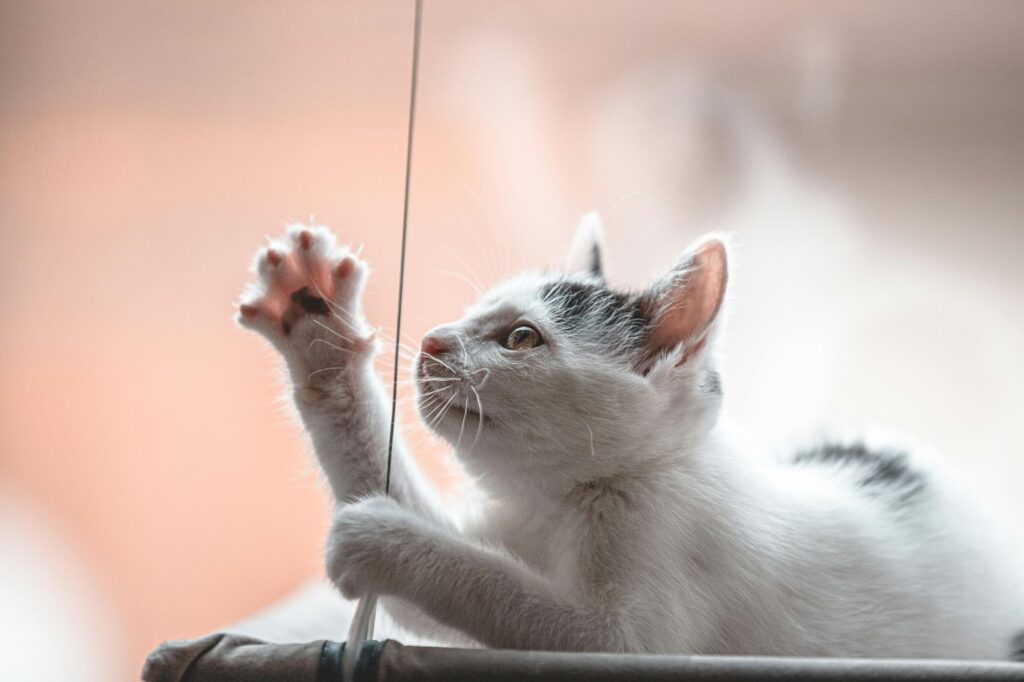
Feeding a British Shorthair isn’t just about what’s in the bowl — it’s about how much and how often. Getting that balance right keeps your cat lean, satisfied, and full of energy (without the extra fluff).
1. Calculating Calories
Every cat’s needs are a little different, but a good starting point for adult British Shorthairs is around 44–53 calories per kilogram of body weight each day.
So, if your BSH weighs about 4 kg, you’re looking at roughly 180–215 calories per day — including both meals and treats. It’s easy to go overboard, so measuring portions really matters.
2. How to Feed
Instead of serving one big meal, split the day’s food into 2–5 smaller portions. This helps prevent overeating and keeps your cat’s metabolism steady.
Wet food works wonders for satiety and hydration, while dry food can be used as a little crunch or reward between meals. Try to avoid leaving food out all day — free-feeding often leads to sneaky snacking and gradual weight gain.
3. Monitoring and Adjusting
Your cat’s weight can shift subtly, so keep an eye on their body condition score (BCS) — you should feel ribs under a light layer of fat, but not see them.
Check weight regularly, and if your cat starts to drift above ideal, adjust portion sizes slightly. Partner with your vet for tailored calorie tweaks every few weeks, especially if you’re switching foods or routines.
And don’t forget: play counts as part of the plan! A few minutes of feather-chasing or laser-pointer fun each day goes a long way toward burning calories and keeping that plush body strong.
Conclusion: Helping Your British Shorthair Stay Fit and Fabulous
Keeping your British Shorthair at a healthy weight isn’t about restriction — it’s about balance, care, and smart choices. Choosing a low-calorie cat food designed for British Shorthairs, or a high-protein, low-fat diet for overweight cats, gives your furry friend the nutrients they need without the extra calories.
Pair that with measured portions, daily playtime, and regular vet check-ins, and you’re setting your cat up for a longer, happier, and more active life. Remember, progress takes time — celebrate the small wins, stay consistent, and your round little teddy bear will thank you with purrs (and maybe a few extra zoomies).
Ready to Help Your British Shorthair Thrive?
Healthy changes start with the right bowl. Explore our expert picks and feeding guides on Meow Care Hub to find the perfect low-calorie cat food for British Shorthairs and tips to keep your cat active, happy, and full of life.
👉 Visit MeowCareHub.com — because a healthier cat means more cuddles, play, and purrs every single day.
FAQs
Q1: How do I know if I’m feeding a truly low calorie cat food for British Shorthairs?
Look for the calorie count on the label and compare to your cat’s weight; diets labeled for “weight control” or “satiety” generally qualify.
Q2: How quickly should an overweight British Shorthair lose weight on a proper diet?
Safe weight loss is ~0.5-2% of body weight per week; faster may risk muscle loss. The study showed cats that lost weight more rapidly had better outcomes.
Q3: Can I just feed less of their regular food instead of buying a special low calorie diet?
You can reduce portions, but regular diets may not provide the right nutrient ratio (e.g., low carb, high protein) that BSHs need. A targeted diet helps maintain lean mass and supports metabolism.
Q4: What about treats for a BSH on a weight-control diet?
Treats should be limited to <10% of daily calories and ideally low calorie, high protein options. Avoid high-carb or fatty snacks that undermine low fat cat food for British Shorthairs diets.
Q5: When should I consult a vet with weight issues?
If your BSH appears overweight (body condition score >5/9), struggles to groom, has reduced mobility, or shows signs of metabolic disease — it’s time for a vet visit and possibly a prescription of low calorie cat food for British Shorthairs.