What is the Best Food for an Indoor, Long-Hair Cat?
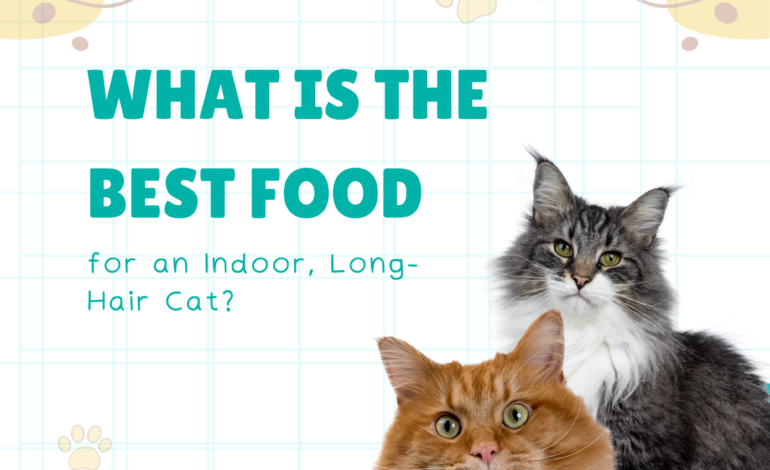
Long-haired cats that live indoors are downright regal—those flowing coats, plush tails and luxurious manes are simply too beautiful to ignore. But behind all of that tulle are quite a few nutritional needs.
Whether addressing hairballs, boosting a silky coat or permit to control weight gain in an indoor cat, getting the nutrition right makes all the difference.
In this guide, we will lead you through exactly how to pick the best cat food for indoor, long-haired cats, along with tips from the pros, our top product recommendations, a handy comparison chart and answers to the most frequently asked questions from fellow feline parents.
Why Long-Haired Indoor Cats Need Specialized Nutrition

All cats need balanced nutrition—but indoor, long-haired cats can face some unique challenges that should be considered at feeding time. The right food can do more than just fill their bowl — it can also enhance their daily comfort and long-term health.
Here’s why tailored nutrition matters:
- Hairball Control
Long-haired cats groom more — and consume more fur. But without the proper fiber and support, that becomes frequent hairballs. - Shiny, Healthy Coat
But a majestic coat requires maintenance that comes from the inside out. It contains omega-3 and omega-6 fatty acids to promote a healthy skin and coat that is soft and shiny. - Weight Management
We are all prisoners of our indoor lives anyway, which means fewer calories burned. A restricted calorie diet is currently the most effective long-term treatment for preventing weight gain without depriving the dieter of nutrients. - Digestive Health
Additional natural fiber assists the hairballs to pass gently through the digestive system. Smoothing the passage of swallowed fur, supporting a healthy gut, and promoting healthy digestion.
Nutritional Essentials for Indoor Long-Haired Cats
| Nutrient | Purpose | Key Sources |
| High-Quality Protein | Maintains muscle mass & supports a sleek coat | Chicken, turkey, fish, rabbit |
| Omega-3 & Omega-6 Fatty Acids | Supports coat shine, reduces shedding & inflammation | Salmon oil, flaxseed, chicken fat |
| Fiber | Controls hairballs & aids digestion | Beet pulp, pumpkin, psyllium, cellulose |
| Moderate Calories | Prevents weight gain in low-activity indoor cats | Formulated into indoor-specific diets |
| Moisture (Wet Food) | Supports hydration, helps reduce urinary issues | Canned pâtés, gravy-based wet food |
| Probiotics & Prebiotics | Promotes digestive and immune health | Inulin, chicory root, yogurt cultures |
Top 5 Best Cat Food for Long Hair Indoor Cats
| Product | Highlights | Best For |
| Royal Canin Indoor Long Hair Adult | Specifically formulated for long-haired indoor cats, with a fiber blend to reduce hairballs | Overall top choice |
| Acana Indoor Entrée Dry Cat Food | Balanced dry food with Omega-3 & 6, protein-rich and fiber-enhanced | Coat health & digestion |
| Tiki Cat Born Carnivore Indoor Health | High protein, grain-free, no fillers or artificial additives | Sensitive stomachs |
| FirstMate Indoor Cat Food (Fish Recipe) | Single-protein fish source, rich in omegas and added fiber | Cats with food sensitivities |
| Instinct Raw Boost Indoor Health | Kibble + freeze-dried raw mix, with probiotics & low calories | Raw enthusiasts & picky eaters |
Feeding Tips for Long-Haired Indoor Cats

The right food is truly the mighty engine that powers your glorious feline’s healthy body, but not all cat food is created equal. Here are the tips to achieve better results and maintain a long-haired cat best:
- Prioritize Hydration
Add wet food to their diet, and a cat water fountain to prompt more drinking hydration aids in digestion and helps prevent hairballs. - Add Pumpkin to the Mix
A teaspoon of plain canned pumpkin (not pie filling!) The perfect way to add fiber for a happy, healthy cat is a safe, natural way to help your cat look and feel their best. - Stick to a Grooming Routine
And that’s just in a hairball-fighting scenario; sometimes the strongest formula needs a sidekick. Brush your cat often to help remove loose fur before it’s swallowed. - Portion Meals Properly
Indoor cats are less active, so avoid free-feeding and feed controlled portions to prevent obesity.
Conclusion: Make Mealtime Count with the Right Food
Taking care of a long hair indoor cat starts at its bowl. Whether it’s minimizing hairballs or promoting a glossy coat, the right diet can be a great addition to your cat’s comfort and health.
Do some research, talk to your vet, try to mix and match a bit of wet food with some dry to make sure you’re getting what your cat needs. When fed nutritionally complete and balanced food, your beautiful indoor cat has a higher chance of living a long and happy life.
For additional recommendations and expert advice, as well as food made specifically for long-haired indoor cats, visit the Meow Care Hub – your source for nutritious food and a healthy lifestyle for your pet.
FAQs: Best Cat Food for Long Hair Indoor Cats
Q1: What’s the best cat food for long-haired indoor cats with hairballs?
Royal Canin Indoor Long Hair is a top choice—it’s specifically formulated for hairball reduction and coat care.
Q2: Should I feed wet or dry food to my long-haired indoor cat?
A combination of both is ideal. Wet food provides hydration, while dry food supports dental health and often includes added fiber.
Q3: Do long-haired cats need more protein?
Yes, high-quality animal protein helps support fur strength and overall health. Look for named meat sources (like chicken or salmon) as the first ingredient.
Q4: Is grain-free food better for long-haired cats?
Not necessarily. Unless your cat has a diagnosed grain allergy, grain-inclusive formulas can be just as nutritious. Focus more on quality protein, fiber, and omegas.
Q5: How often should I feed my indoor long-haired cat?
Most adult cats thrive on 2 portioned meals per day. Always follow the feeding guidelines on the package and adjust based on your vet’s advice.