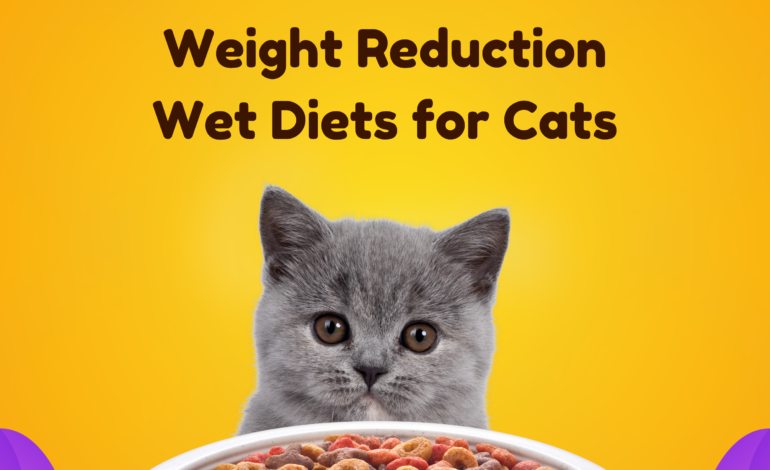
The Role of Fiber in Weight Reduction Wet Diets for Cats
If your cat always seems hungry, even minutes after finishing a meal, you’re definitely not alone. Recent veterinary studies show that more than 55% of domestic cats are overweight or obese, and many struggle to lose weight because they feel unsatisfied, beg constantly, or end up consuming more calories than their body can handle.
That’s where fiber wet cat food becomes a game changer. Research shows that moderate, fermentable fiber helps cats feel full longer, lowers overall calorie intake, and supports a healthier gut. Pair that fiber with the naturally high moisture of wet food, and you get a winning formula that actually supports steady, healthy weight loss.
This guide breaks down how high fiber wet cat food for weight loss works, why wet diets boost satiety and reduce overeating, and how to choose the best fiber-rich wet cat food for your cat’s needs. For pet parents searching for weight reduction wet cat food fiber options that deliver real results, this is the perfect place to start. Let’s help every kitty reach a healthier weight, one satisfying bowl at a time.
Why Fiber Matters in Feline Weight Management
1. The Science Behind Fiber for Cats
Fiber is one of those quiet heroes in a weight-loss diet. It adds bulk to a meal without adding extra calories, which means your cat feels satisfied eating less. A good fiber blend also keeps food moving comfortably through the digestive tract and supports the natural fermentation process in the gut, something that helps regulate appetite and keeps the tummy working the way it should.
2. How Fiber Works Even Better in Wet Diets
When fiber teams up with the high moisture content of wet food, the effect gets even better. The water helps the stomach stretch just enough to trigger that “okay, I’m full now” signal, and the fiber keeps that feeling around longer. Plus, wet food naturally encourages hydration, which is great for overweight cats that may not drink enough on their own.
Together, fiber and moisture create a gentle, steady way for cats to eat fewer calories without feeling deprived, a big win for healthy, sustainable weight loss.
Types of Fiber Used in Weight-Reduction Wet Cat Food
1. Fermentable Fiber
This type of fiber breaks down slowly in the gut and creates short-chain fatty acids (SCFAs), which support a healthier digestive environment. Ingredients like beet pulp or FOS are common examples. Fermentable fiber helps the body absorb nutrients more efficiently, keeps blood sugar steadier, and, as shown in several feline nutrition studies, can naturally reduce how much a cat chooses to eat.
2. Non-Fermentable Fiber
Non-fermentable fibers don’t offer nutrients, but they do help bulk up meals so they feel more filling. They can lower the calorie density of wet food, though they don’t always create the same long-lasting fullness fermentable fibers do. Too much of this type can also make the food less appealing and increase stool output, which most cat parents notice immediately.
3. The Ideal Mix for Weight Reduction
The sweet spot lies in a balanced blend. Wet foods that use moderate levels of moderately fermentable fiber tend to work best for weight management. They keep cats satisfied without overwhelming their digestive system. Extremely high-fiber formulas can backfire, causing tummy discomfort or picky eating, two things no overweight cat needs while trying to slim down.
Benefits of High Fiber Wet Cat Food for Weight Loss
1. Increased Satiety and Reduced Begging
One of the biggest perks of high fiber wet cat food for weight loss is how well it keeps cats satisfied. Fiber swells slightly in the stomach, helping your cat feel full without loading up on calories. That means fewer hunger pangs, fewer “feed me” stares, and a much calmer feeding routine.
2. Lower Caloric Density
Wet food is already lower in calories thanks to its moisture content. Add the right amount of fiber, and you get a meal that feels substantial but delivers fewer calories per bite. Cats enjoy the same volume of food while quietly cutting back on energy intake, a win-win for safe weight loss.
3. Better Fat Loss (Not Muscle Loss)
Healthy weight loss isn’t just about dropping numbers on a scale; it’s about keeping lean muscle intact. Research shows that moderate fermentable fibers can promote better fat burn while helping preserve muscle mass. That makes fiber-rich wet diets a smart choice for long-term weight control.
4. Improved Gut Health
When fermentable fiber breaks down, it produces SCFAs, tiny compounds that nourish intestinal cells and keep digestion on track. A healthier gut means better nutrient absorption, regular stools, and a more comfortable cat overall.
Wet vs Dry: Why Wet Makes Fiber More Effective
| Factor | Wet Food | Dry Food |
| Hydration & Weight Loss | Naturally boosts water intake, supporting metabolism and easier weight loss | Low moisture; overweight cats often don’t drink enough |
| Texture & Palatability | Softer, more aromatic, highly appealing for picky or older cats | Crunchy texture; some cats lose interest during diet changes |
| Portion Control | Easy to measure, each can/pouch has clear calorie counts | Free-feeding is common, making overeating more likely |
| Fiber Effectiveness | Fiber + moisture increases fullness and reduces calorie intake | Fiber works, but without moisture it’s less effective for satiety |
| Digestive Support | Moisture helps fiber move smoothly through the GI tract | Can cause firm stools or constipation in some cats |
How to Choose the Best Fiber-Rich Wet Cat Food
Finding the best fiber-rich wet cat food isn’t just about grabbing the can with the highest fiber number. The goal is balanced nutrition that supports healthy weight loss without leaving your cat hungry or messing with their digestion. Here’s what really matters when choosing the right formula:
1. Check Fiber Levels (Crude Fiber % and Type)
Moderation is key. Look for moderate crude fiber percentages, too little won’t help with satiety, and too much can upset the stomach or reduce appetite. The type of fiber matters just as much as the amount.
2. Look for Balanced Nutrition
Fiber alone won’t get the job done. The best formulas still start with quality animal protein to help maintain lean muscle during weight loss. Moisture, healthy fats, and essential nutrients should all be in place.
3. Don’t Choose Food Based Only on Fiber
It’s tempting to focus on one number, but calorie density, protein quality, moisture, and palatability matter just as much as fiber content. A balanced recipe keeps weight loss safe and sustainable.
4. Consider the Fiber Source
A blend of moderately fermentable fibers is ideal because it supports satiety and gut health without causing bloating or excessive stool volume. Avoid foods that rely only on insoluble fillers.
How Much Fiber Should a Weight Reduction Wet Cat Food Contain?
Choosing the right weight reduction wet cat food fiber level is less about hitting a magic number and more about finding the sweet spot that supports fullness, gut health, and steady weight loss, without upsetting your cat’s stomach.
1. Ideal Fiber Range
Wet weight-loss diets typically have a lower crude fiber percentage than dry foods, often landing in the 1%–3% crude fiber range. That may seem small, but in wet food, even a slight bump in fiber makes a meaningful difference. What really counts is the function of the fiber, ideally, a blend that gently ferments and boosts satiety without adding unnecessary bulk.
2. Signs Fiber Levels Are Too High
If the fiber in your cat’s diet is more than their system can handle, you’ll usually see some early red flags:
- Loose stools or diarrhea
- Extra gas or bloating
- A sudden drop in appetite
- Dull coat or reduced grooming
These signals mean the formula may be too heavy on insoluble or poorly balanced fibers.
3. When to Consult a Vet
Before adjusting fiber levels, especially for cats with sensitive stomachs, GI conditions, diabetes, or other chronic illnesses, it’s wise to get a vet’s guidance. Every cat’s digestive tolerance is different, and your vet can help pinpoint the right fiber level for safe, steady weight loss.
Feeding Tips for Cats on Fiber-Enhanced Wet Diets
1. Transition Slowly
Fiber can be a game-changer for weight loss, but it still needs a gentle introduction. Start small, mix it with your cat’s current food, and give their stomach a few days to adjust. Slow transitions keep digestion calm and prevent any “my tummy hates this” drama.
2. Monitor Satiety and Behavior
One of the best signs that a fiber-rich wet diet is doing its job is a noticeable drop in begging, whining at the bowl, or late-night fridge patrols. When your cat stays content between meals, the formula is hitting the right satiety notes.
3. Combine With Play and Activity
Even the best diet works better with a little movement. A five-minute feather toy chase or a quick hallway zoom session helps burn extra calories and supports healthy fat loss—without overwhelming your cat.
4. Track Weight Every Two Weeks
Small, steady changes matter. Weigh your cat every couple of weeks and tweak portions as needed. This keeps progress on track and helps you spot early wins before they’re visible.
Conclusion
Fiber can make a real difference in your cat’s weight-loss journey when it’s used the right way, especially in moisture-rich wet food. The goal isn’t to overload your cat with fiber but to use moderate, functional sources that actually support satiety, gut health, and steady fat loss.
Choosing fiber wet cat food with balanced protein, moisture, and controlled calories gives overweight cats a far better chance at losing weight safely and keeping it off. When you pair high fiber wet cat food for weight loss with consistent feeding habits, regular play, and guidance from your veterinarian, you’re setting your cat up for a healthier, happier life.
If you’re ready to help your cat shed the extra fluff, thoughtful nutrition is the best place to start.
Discover science-backed weight-loss diets for cats, explore curated options at Meow Care Hub today.
FAQs
1. How does fiber wet cat food help with weight loss?
Fiber expands in the stomach, increases fullness, and reduces calorie intake, making fiber wet cat food highly effective for weight control.
2. Is high fiber wet cat food for weight loss safe for all cats?
Generally yes, but cats with digestive issues or chronic diseases should consult a vet before switching.
3. What makes weight reduction wet cat food fiber different from dry food fiber?
Wet diets combine moisture + fiber, offering better satiety and improved digestion compared to dry-only fiber sources.
4. How do I choose the best fiber-rich wet cat food?
Look for moderate fermentable fibers, high protein quality, controlled calories, and good moisture levels.
5. Can too much fiber be harmful for cats?
Yes. Excessive fiber, especially non-fermentable types, may cause diarrhea, gas, poor stool quality, and reduced nutrient absorption.