Do Bengal Cats Need Special Grooming Tools? What Owners Should Know
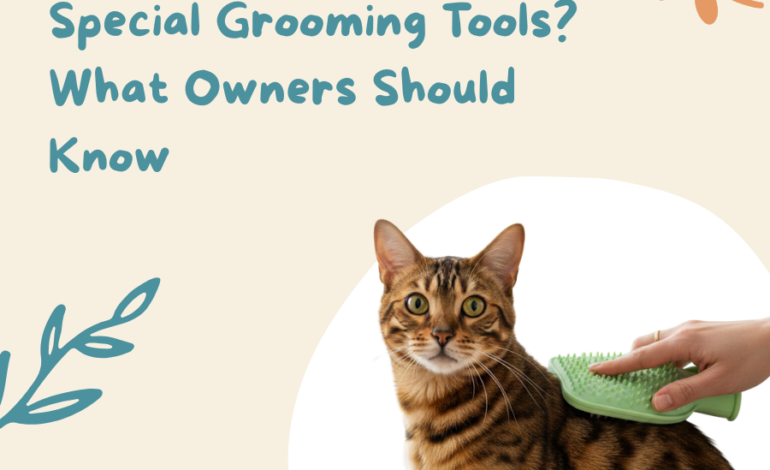
Bengal cats are a true showstopper. Their glittery, leopard-like coats are short, dense, and much easier to manage than long-haired breeds. Experts and owner surveys show that while Bengals shed less than many other cats, regular grooming is key to keeping their fur shiny, reducing loose hair in the home, and supporting healthy skin. With the right tools and routine, grooming can be simple, stress-free, and even fun for both cat and owner. This guide blends professional advice with real-world owner experience to help you care for your “tiny leopard.”
Do Bengal Cats Need Special Grooming Tools?
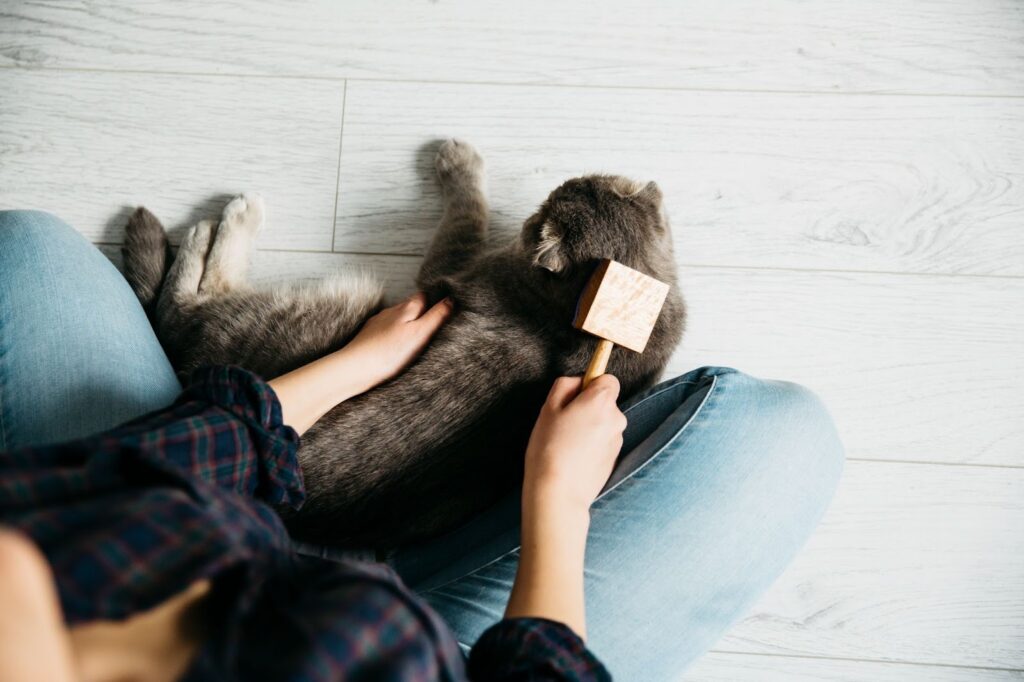
Bengal cats are stunning, playful, and full of energy, but their grooming needs are surprisingly simple. You don’t need fancy or expensive tools to keep them looking their best. What matters most is being gentle. Their soft, single-layered fur can get irritated by harsh brushes, so a soft bristle brush or fine comb works perfectly.
Bengals also love exploring and often enjoy water, so occasional baths are fine if done carefully. Providing fresh water or a cat fountain keeps them hydrated and happy. Grooming is really about knowing your cat, being gentle, and making it a positive experience. With the right touch, your Bengal will stay shiny, healthy, and playful.
Essential Grooming Tools for Bengal Cats
Keeping a Bengal cat healthy and happy is easier than it seems once you have the right tools. Experienced groomers and long-time Bengal owners agree that a few simple items can make grooming stress-free and even enjoyable for your cat.
Brushing Tools
A soft-bristle brush or rubber mitt works wonders for removing loose hair while being gentle on the skin. Using these once a week keeps the coat shiny and helps control shedding. Rubber grooming gloves are also great because they feel like a massage, and most Bengals love the petting motion while you collect stray hairs.
Inspection Tools
A fine-tooth comb is handy for checking for fleas, debris, or tiny tangles during shedding periods. It keeps the coat clean and ensures your Bengal stays comfortable and healthy.
Nail, Ear, and Dental Tools
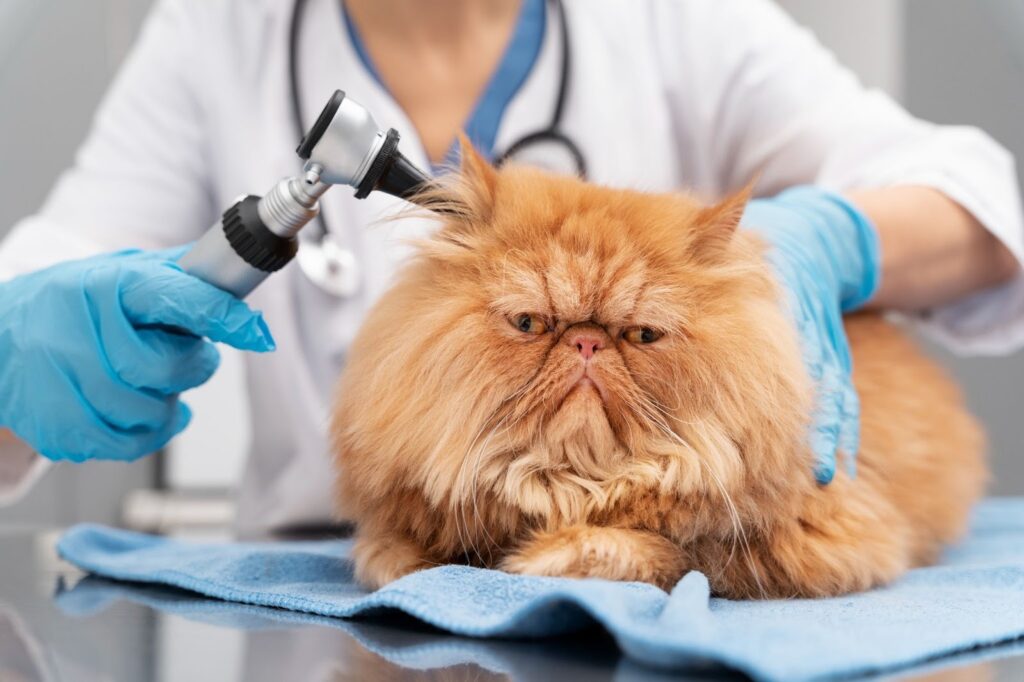
Nail clippers are essential for trimming every 2-3 weeks to prevent overgrowth and accidental scratches. Monthly ear checks using gentle wipes or solutions help prevent wax buildup and infections. Pet-safe toothbrushes or dental treats support oral health, keeping teeth and gums in top shape, which is crucial for your Bengal’s overall wellness.
With these tools and a gentle routine, grooming becomes an enjoyable bonding time and keeps your Bengal looking and feeling fantastic.
Recommended Grooming Routine for Bengal Cats
- Brush once a week: This removes loose hairs and spreads natural oils, keeping the coat soft and shiny. It also helps reduce shedding around the house.
- Occasional baths: Bengals usually tolerate water well. A bath is only needed if they get dirty or after playtime outdoors.
- Trim nails every 2–3 weeks: Regular trimming prevents overgrowth, avoids accidental scratches, and keeps your cat comfortable when climbing or playing.
- Monthly ear checks: Gently clean ears to remove wax or debris and prevent infections, especially for active Bengals.
- Dental care: Brush their teeth or use dental treats to keep gums healthy and prevent plaque buildup.
- Start grooming early: Introducing these routines when they are kittens helps Bengals get used to handling, making grooming a calm and positive experience for life.
Grooming Safety and Best Practices
- Introduce tools gradually: Let kittens sniff and explore brushes or gloves before you start grooming to make them feel comfortable.
- Use gentle strokes: Always brush in the direction of hair growth to avoid pulling or irritating the skin.
- Keep sessions short and calm: Limit grooming to a few minutes at a time and pair it with praise or treats to create a positive experience.
- Monitor skin and coat: Check for redness, irritation, or unusual shedding and consult a veterinarian if you notice anything concerning.
- Make it a bonding time: Combine the right tools with patience and a calm approach to keep your Bengal healthy, happy, and looking its best.
Conclusion Grooming Bengal Cats Made Simple
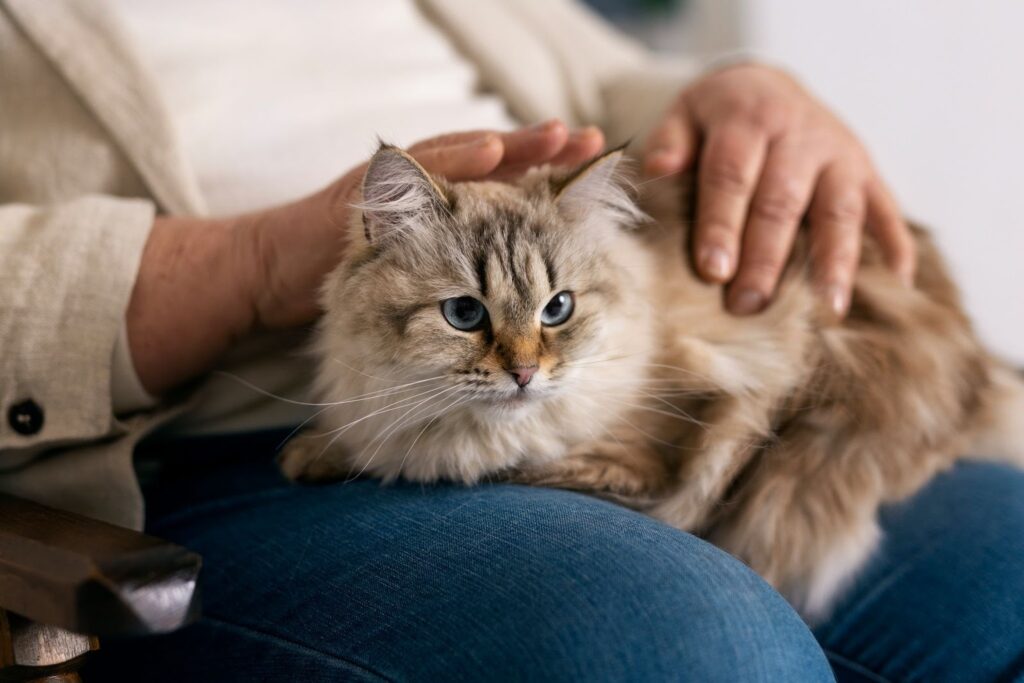
Bengal cats don’t need fancy or expensive grooming tools to look and feel their best. Using the right Bengal cat grooming tools, along with gentle handling, a weekly brushing routine, and regular nail, ear, and dental care, is enough to keep them healthy, comfortable, and stunning. This approach is trusted by professional groomers, veterinarians, and experienced Bengal owners, making grooming safe and enjoyable for your cat.
With just a few simple steps, grooming can turn into a fun bonding ritual instead of a chore, keeping your Bengal happy and your home free of loose hair. For more tips, expert advice, and all things feline, check out Meow Care Hub and give your Bengal the care it deserves.
Vet Review: This content has been reviewed by certified veterinarians to ensure accurate, safe, and expert-approved grooming advice for Bengal cats.
FAQs- Quick Expert Answers
1. Do Bengal cats need special grooming tools?
No expensive or specialized tools are necessary. Soft-bristle brushes, rubber mitts, and fine combs work best for their short, delicate coat.
2. How often should grooming tools for Bengal cats be used?
Weekly brushing, nail trimming every 2–3 weeks, monthly ear checks, and routine dental care are sufficient for a healthy Bengal.
3. Are Bengal cat grooming tools different from other short-haired breeds?
Bengals have single-layered, sensitive coats, so gentle tools protect the skin while removing loose hair efficiently.
4. Can Bengal cat grooming tools guide reduce shedding?
Yes. Regular brushing and use of rubber mitts or gloves significantly reduce loose fur in the home.
5. How do I introduce grooming tools to a Bengal kitten?
Start early, letting them explore brushes and gloves, pairing with praise or treats. Positive reinforcement encourages tolerance and enjoyment.
Medical Disclaimer:
The information provided here is for educational purposes only and is not a substitute for professional veterinary advice. Individual cats may have unique health needs, allergies, or conditions that require personalized care. Always consult a licensed veterinarian if you notice unusual behavior, skin problems, or any health concerns in your Bengal cat.