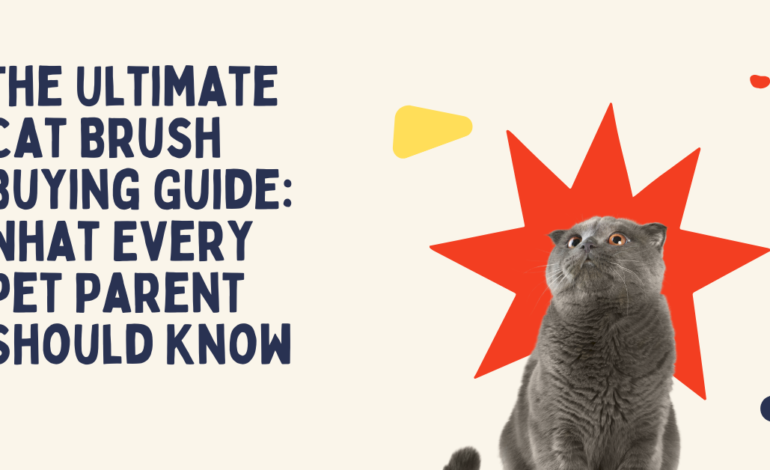
The Ultimate Cat Brush Buying Guide: What Every Pet Parent Should Know
As it is known to every pet parent, grooming is vital for keeping up with the health and well-being of one’s feline friend. A cat grooming brush is one of the basics required in the care routine of the pet. Whether it’s a long-haired or short-haired cat, the right cat brush would make your furry friend well, healthy, and free from loose hair.
In this Ultimate Guide to Buying a Cat Brush, we will take a deep dive into everything that you should know about choosing the right brush for your cat. The different types of brushes and their benefits, using the brushes effectively-you name it; we have all that for you in this guide.
Why You Need a Cat Brush
Routine brushing is very important for the overall health and well-being of your feline pet. Some reasons include:
- Prevents Hairballs:Excess hair in the stomach causes hairballs in cats, and brushing will remove this excess hair so that the cat will not swallow it.
- Reduces Shedding: Brushing regularly does help to shed off some loose hairs, thereby cleaning your house from fur falling in it.
- Promotes a Healthy Coat: Stimulating natural oil production so that the beauty of the coat remains bright and healthy is yet another reason.
- Early Detection of Skin Issues: Given that brushing enables you to notice the early signs of skin problems such as parasites and sores, it is beneficial for fast treatment.
- Strengthens Bonding: It is a healthy interaction activity for the cat owner and his pet.
Types of Cat Brushes
1. Slicker Brushes
These slicker brushes, with their fine, closely spaced wires, easily eliminate mats and tangles and are therefore perfect for long-haired cats. Gentle on the skin, they yet penetrate the outer coat to protect from matting and allow for smoothness of fur.
2. Pin Brushes
Pin brushes with widely spaced classy pins whose tops are rounded are good for removing loose hair and debris. They are very soft on the skin and can be used to complement grooming on short-haired cats or those with delicate coats.
3. Deshedding Tools
Deshedding tools attack the undercoat to reduce shedding and hairballs especially during the shedding season. These tools help in managing fur with an enormous intention of having a relatively clean home.
Benefits of Using a Cat Brush
Use of the appropriate cat brush has several benefits for both you and your cat.
- Reduces Shedding: Generally, brushing will reduce the amount of hair accumulating on your furniture and also in your house by regularly removing the loose hair.
- Prevents Hairballs: Less fur also means that the cat has less chance of swallowing it and thus fewer chances of developing hairballs.
- Improves Coat Health: Grooming will ensure that your cat’s coat stays shimmering, smooth, and healthy because it pokes the production of the natural oils in your cat.
- Enhances Bonding: Grooming is soothing and encourages bonding so that your cat and you can feel closer.
How to Choose the Best Cat Brush for Your Cat
Selecting a cat brush is dependent on these aspects that would give the best grooming experience for you both:
Factors to Consider
- Cat Breed: All breeds require certain brushes based on their length of hair, like long-haired kitties should be getting slicker brushes and deshedding tools.
- Coat Type: Long-haired cats would go for brushes that reach undercoats, while short-haired cats would do very well with just the pin brushes or rubber grooming gloves.
- Comfort: For effective grooming, choose brushes that have easy-grip handles and erect soft bristles, which shall make it comfortable for both of you when grooming.
Choosing Based on Coat Type
- Long-Haired Cats: Slicker Brushes, deshedding tools, and combs for the removal of mats and tangles from long-haired cats.
- Short-Haired Cats: Pin brushes or rubber grooming gloves are other tools that can be as soft or delicate as necessary for removing loose hair from the coat of short-haired cats while still keeping their coat fairly clean.
Best Cat Brushes for Long-Haired Cats
For long-haired cats, one cannot just use a whiff of a brush that leaves their fur soft and silky. It must be sturdier, wider, but most importantly, completely effective in removing tangles. The best options available in the market are:
- Slicker Brush: This brush is perfect for detangling and removing mats; it is used for keeping long, dense coats smooth and tangle-free and works really well on these coats.
- Deshedding Tool: This tool works wonders in the shedding seasons; it removes the loose undercoat and sheds hairs so that fewer hairs are available to chew and, thus, minimizes hairballs.
- Comb: Really fine teeth can be used to remove knots and comb out that under-coat, leaving a very tidy and healthy looking coat.
Best Cat Brushes for Short-Haired Cats
For short-haired cats, the brushes selected need to be soft yet effective. Here are the best options:
- Pin Brush: It is gentle on the skin and loosens hair follicles without irritating the sensitive cat coat.
- Rubber Grooming Gloves: These gloves provide a soothing, massage-like experience while efficiently removing loose hair and keeping your cat relaxed.
- Bristle Brush:Good for gliding oils down the cat coat, this brush makes a shiny and healthy-looking coat for your kitty.
How to Use a Cat Brush: Grooming Techniques
Grooming sessions may run successfully via these simple steps:
- Start with the Back and Sides: Brush the back and sides of your kitty in the direction of the hair growth. It will shed off the loose hairs and smoothen the coat out.
- Focus on Problem Areas: Usual areas to pay attention to are those that may be subject to mats: behind the ears, under the legs, and neck area-they all tangle pretty easily.
- Brush the Tail and Legs: Finish up by brushing the tail and legs yet without pulling on the fur.
- Consistency is Key: Brush your cat 2 to 3 times a week, particularly when you are dealing with a long-haired feline. This way, one can easily maintain a healthy coat without tangles or hairballs forming in the process.
Maintaining Your Cat Grooming Brush
It’s invariably in your interest to keep your parliament cat grooming brush in excellent condition in order to assure its durability and efficiency. Here are some steps:
- Clean After Each Use: After every grooming session, clean loose hair, dirt, and any trapped pieces under the bristles from the brush. This will help avoid build-up and keep bristles in good condition.
- Inspect for Damage: Each time check the bristles for any signs of deterioration or damage. E.g.: Broken or bent bristles irritate your cat’s skin and are also not good for the overall performance of the brush.
- Store Properly: The brush should be kept in a clean, dry place so there won’t be any chances of mold or rust or even accumulation of hairs. This makes it hygienically prepared for use.
Comparison of Top Cat Brushes
| Brush Type | Best For | Key Features |
| Slicker Brush | Long-Haired Cats | Removes tangles and mats, penetrates undercoat |
| Pin Brush | Short-Haired Cats | Removes loose hair, distributes natural oils |
| Deshedding Tool | Cats with Thick Coats | Removes excess undercoat, reduces shedding and hairballs |
| Rubber Grooming Glove | Sensitive Cats & Short-Haired | Provides a massage and removes loose hair |
Conclusion
Choosing the right brush for your cat is only a small part of keeping it healthy and feeling good. It is incredibly important to use the right grooming brush according to your cat’s coat type combined with some regular grooming to keep your deservedly pampered pet happy and healthy with no possible hairballs!
Follow the suggestions given in this guide to develop some workable grooming routine procedures for yourself and your cat, which will ensure a slick, shiny coat and a closer bond between you both!
Frequently Asked Questions (FAQs)
Q: How often should I groom my cat?
A: Long-haired cats should be groomed daily, while short-haired cats can be groomed 2-3 times a week.
Q: Can I use a human brush on my cat?
A: No, human brushes are not designed for pets and may cause discomfort. Always use a brush specifically designed for cats.
Q: Are there brushes for sensitive cats?
A: Yes, brushes with soft bristles or rubber grooming gloves are perfect for cats with sensitive skin.