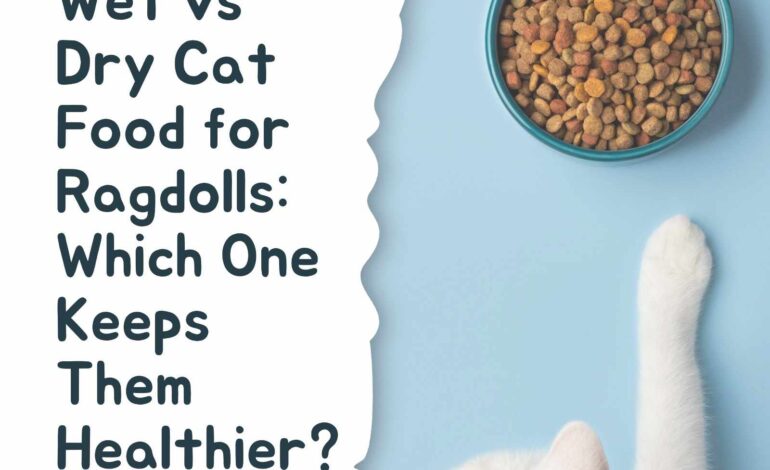
Wet vs Dry Cat Food for Ragdolls: Which One Keeps Them Healthier?
Ragdolls are known for their sweet, floppy nature and that gorgeous, silky coat — but keeping them healthy goes far beyond brushing and cuddles. It all starts with what’s in their bowl. According to the American Veterinary Medical Association (AVMA), nearly 6 out of 10 cats in the U.S. are overweight, and many face urinary or kidney issues linked to poor hydration.
That’s why the debate between wet vs dry cat food for Ragdoll cats isn’t just about what’s easier to serve — it’s about choosing what truly nourishes them. In this guide, we’ll break down how each option affects your Ragdoll’s health, hydration, and happiness, so you can make mealtime the best part of their day.
Understanding Ragdoll Cats’ Unique Nutritional Needs
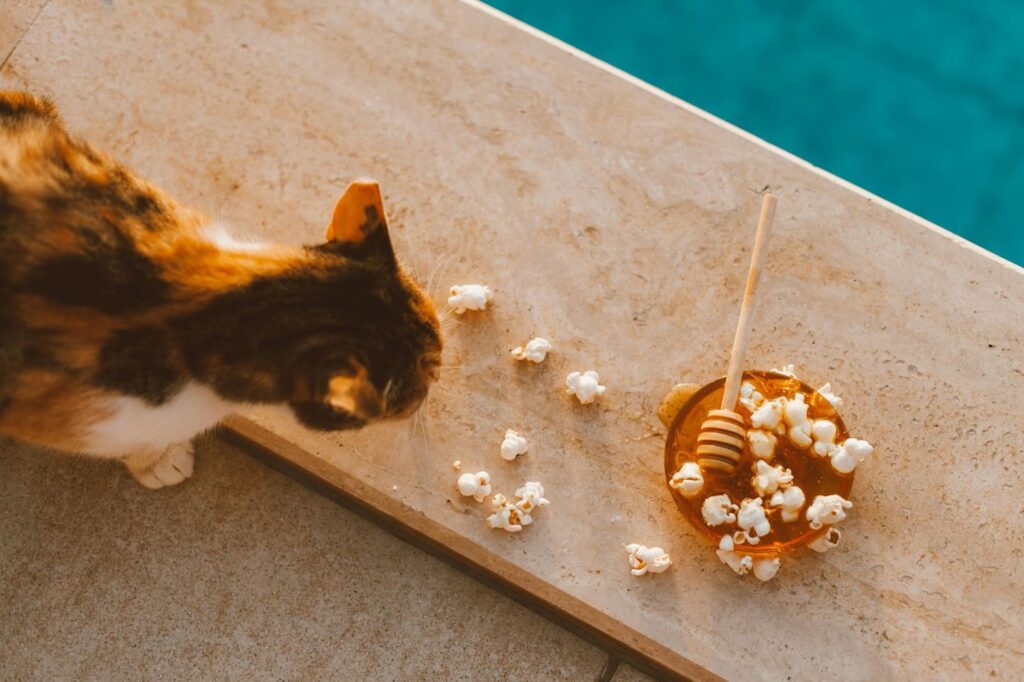
- Large, Gentle, and Low-Activity Breed
Ragdolls are big, soft-hearted cats who prefer lounging over leaping. Their calm, indoor lifestyle means they burn fewer calories — which can make them prone to weight gain if overfed. They’re also genetically predisposed to urinary tract issues and, in some cases, hypertrophic cardiomyopathy (a heart condition), so their diet needs to be carefully balanced. - Why Diet Matters for Ragdolls
A well-planned diet is the foundation of a healthy Ragdoll life. They thrive on high-protein, low-carb, moisture-rich meals that help maintain lean muscle while preventing obesity. The right nutrition also enhances their signature silky coat, supports hydration, and can even extend their overall lifespan — because for these gentle giants, food truly is the best form of care.
Ragdoll Cat Wet Food vs Dry Food: What’s the Difference?
| Aspect | Wet Food (Canned or Pouched) | Dry Food (Kibble) |
| Moisture Content | 70–80% — helps maintain hydration and supports urinary health | 5–10% — may contribute to dehydration if water intake is low |
| Protein Quality | Typically higher-quality animal protein | Often includes plant proteins or fillers |
| Carbohydrate Level | Low — helps prevent obesity and diabetes | Higher — may lead to weight gain over time |
| Convenience | Needs refrigeration after opening; served fresh | Easy to store, serve, and portion |
| Dental Health | Soft texture — gentle on teeth and gums | Slight scraping effect, but limited dental benefit |
| Best For | Cats prone to urinary issues, picky eaters, or those needing hydration | Busy owners seeking convenience and portion control |
The Health Benefits of Wet Food for Ragdoll Cats
- Promotes Hydration
Ragdolls aren’t exactly known for drinking lots of water. Wet food helps bridge that gap by providing natural moisture in every bite. It supports healthy kidneys, prevents urinary tract issues, and keeps your cat feeling refreshed — even if their water bowl goes untouched for hours. - Helps Maintain a Healthy Weight
Because wet food is high in protein and water, it fills your cat up faster without unnecessary calories. That means fewer overeating tendencies and a better balance between muscle tone and body weight — something Ragdolls truly benefit from given their big build and lazy charm. - Supports Digestion and Coat Health
A moisture-rich texture makes digestion smoother and reduces hairball formation (a common Ragdoll struggle). Add in nutrients like omega-3s and taurine, and you’ve got a recipe for a silky coat, strong heart, and overall glowing health.
The Role of Dry Food in a Ragdoll’s Diet
- When Dry Food Can Be Useful
Dry food can still play a role in your Ragdoll’s diet — especially if you’re managing a busy routine or have more than one cat at home. It’s easy to portion, doesn’t spoil quickly, and gives your feline something crunchy to nibble on between meals. Many cat parents find that combining dry and wet food keeps their pets more interested in mealtime while ensuring balanced nutrition. - Choosing Better Dry Food
When picking dry food, aim for high-protein, grain-free, and low-carb formulas. Always check that real meat is the first ingredient — not meal, by-products, or grains. Stay away from fillers like corn, soy, and wheat, as well as artificial flavors or colors. Premium, nutrient-rich dry food supports healthy weight, better digestion, and keeps that signature Ragdoll coat soft and shiny.
The Ideal Balanced Diet: Wet or Dry Food for Ragdoll Cats
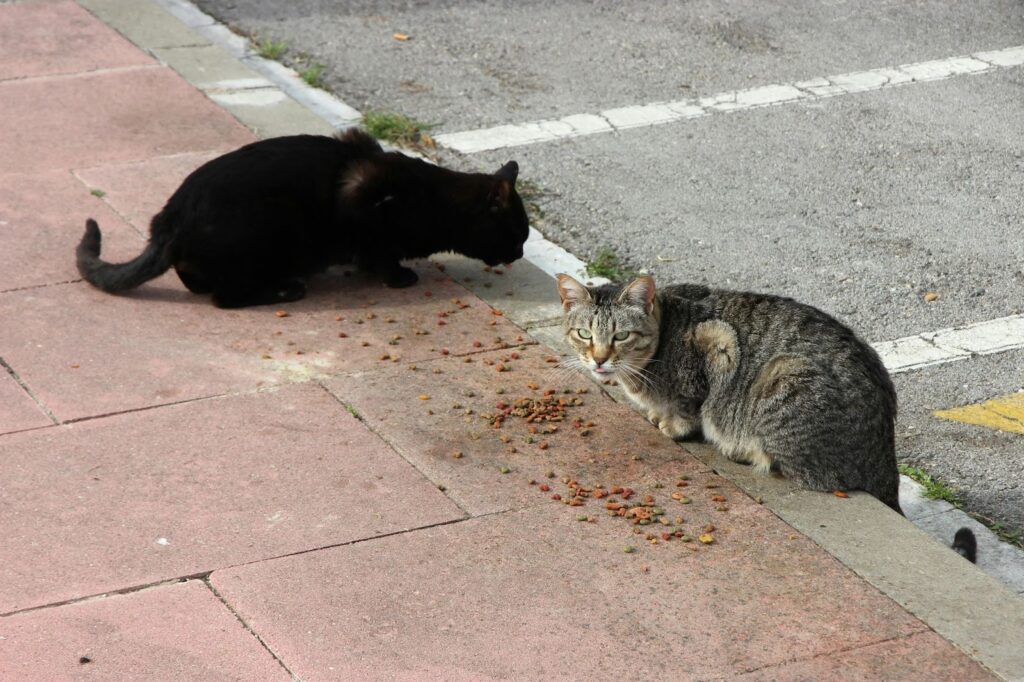
Why a Mixed Diet Works Best
A balanced combo of wet and dry food often brings out the best in your Ragdoll’s health and happiness. Wet food provides hydration and top-quality animal protein, while dry food adds texture and satisfies natural grazing instincts.
Sample Feeding Routine:
- Wet food in the morning and evening for hydration and rich nutrients.
- Small, measured portions of dry food mid-day to keep energy steady.
Vet-Approved Diet Tips for Ragdolls
- Choose wet food formulas rich in real meat and moisture to support urinary and heart health.
- Pick dry food that’s grain-free, protein-forward, and gentle on sensitive stomachs.
- And of course — always keep fresh water or a cat fountain available to encourage regular drinking and hydration.
Common Feeding Mistakes to Avoid
- Overfeeding – Ragdolls are big cats, but that doesn’t mean endless kibble! Portion control is key to preventing weight gain.
- Feeding only dry food without water – Dry kibble alone can dehydrate your cat. Always pair it with wet food or ensure constant access to fresh water.
- Switching diets too quickly – Sudden changes can upset your cat’s stomach. Transition slowly over 7–10 days to avoid digestive issues.
- Ignoring ingredient labels – Steer clear of foods with fillers, artificial colors, and vague meat sources. Real ingredients make a real difference.
Conclusion: Choose Smart, Feed Balanced
Feeding your Ragdoll right isn’t about picking sides — it’s about finding balance. Wet food keeps your cat hydrated and fuels that silky coat, while a bit of dry food adds variety and crunch. The secret is moderation and mindfulness.
Every Ragdoll has its quirks, so work with your vet to fine-tune a feeding plan that fits your cat’s needs and lifestyle. When you strike the right balance, you’re not just filling a bowl — you’re nourishing a long, happy, and healthy life.
Ready to build the purr-fect meal plan for your Ragdoll? Explore more vet-approved feeding guides, nutrition tips, and wellness insights at Meow Care Hub — where every cat’s health and happiness start with what’s in the bowl.
FAQs: Wet vs Dry Cat Food for Ragdolls
Q1. Is wet or dry food better for Ragdoll cats?
Wet food is generally better because it provides hydration, high-quality protein, and supports urinary tract and heart health.
Q2. Can I feed my Ragdoll only wet food?
Yes, but ensure it’s complete and balanced. Pair with supplements if recommended by your vet.
Q3. Is dry food bad for Ragdolls?
Not necessarily — but it should never be the only food type. Choose high-protein, low-carb dry kibble and offer plenty of water.
Q4. How often should I feed my Ragdoll cat?
Twice daily meals of wet food with optional dry snacks or small portions in between.
Q5. What is the healthiest diet for Ragdoll cats overall?
A mixed diet of premium wet food and limited dry food ensures hydration, healthy weight, and balanced nutrition.