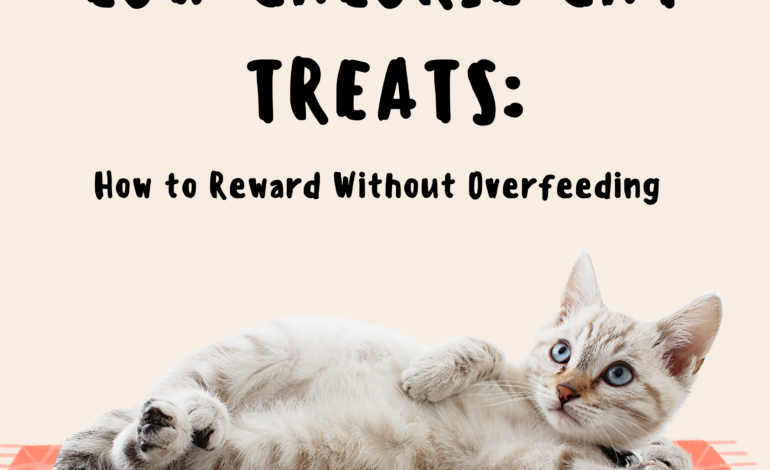
Low-Calorie Cat Treats: How to Reward Without Overfeeding
Every cat parent knows the struggle. You want to spoil your feline with a little treat here and there, but you also don’t want to turn your cuddly sidekick into an overweight fluffball. It’s a real dilemma… and a common one.
Studies from the Association for Pet Obesity Prevention show that more than 50% of cats in the U.S. are overweight or obese, and the numbers aren’t slowing down. Indoor cats are at even higher risk since they naturally burn fewer calories lounging, napping, and supervising life from the windowsill. That’s where portion control cat treats step in.
Choosing the right snacks, like low fat cat treats and low calorie treats for indoor cats, lets you keep the joy of rewarding without adding unwanted weight. It’s all about smart choices that keep your cat healthy, happy, and still very treat-motivated.
Why Low-Calorie Treats Matter for Modern Cats?
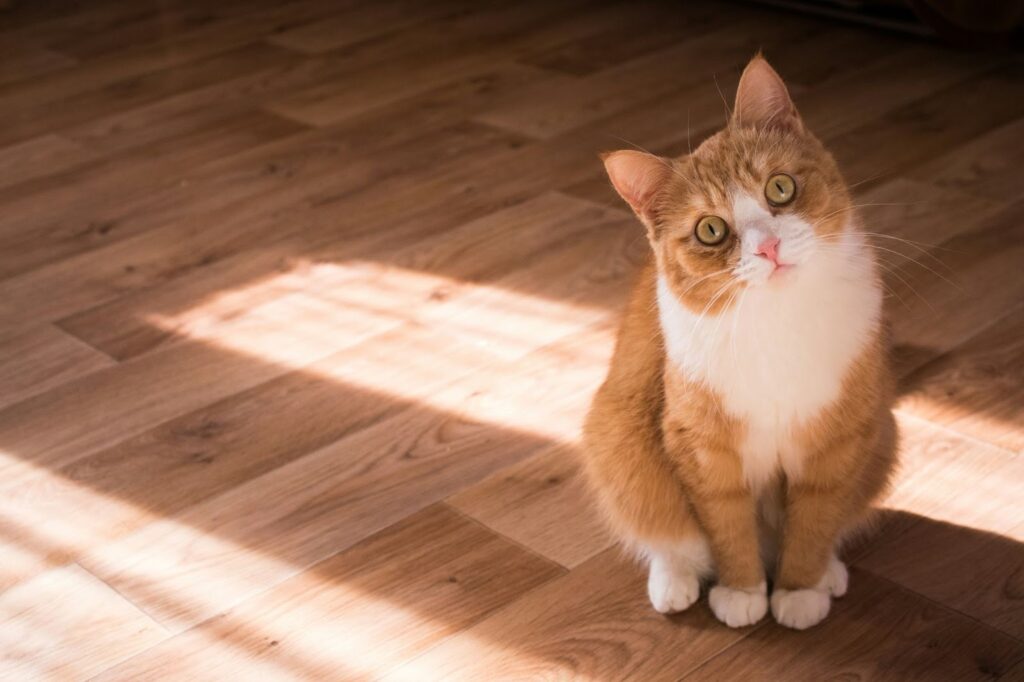
Let’s be honest, most modern cats live a pretty cushy lifestyle. Lots of naps, a little bird-watching, maybe a sprint down the hallway at 3 a.m., and that’s their “workout” for the day. Indoor cats simply don’t burn as many calories as their outdoor cousins, which means even a few extra treats can add up faster than you’d expect. That’s exactly why low calorie treats for indoor cats are such a smart choice. You still get the joy of treating, but without sneaking extra weight onto your cat’s frame.
Extra weight isn’t just about looks, it comes with a whole list of health problems no pet parent wants to deal with. Diabetes, achy joints, sluggish mobility… it all becomes more likely when treats are too rich or too frequent. Switching to low fat cat treats cuts out a lot of those unnecessary calories while still giving your kitty something tasty to look forward to.
With the right treats, you can spoil your cat and keep them healthy at the same time, a win for both of you.
What Makes a Treat “Low-Calorie”?
| Category | What to Look For | Why It Matters |
| A. Key Nutritional Characteristics | High protein, low fat; low carbs; minimal fillers | Keeps calories down while supporting lean muscle and satiety |
| B. Ideal Ingredients | Single-source proteins like chicken, turkey, fish; simple ingredient lists; no artificial additives | Reduces empty calories and avoids unnecessary sugars, flavors, and preservatives |
| C. Calories per Treat | Check the kcal per treat or per piece on the label; compare serving sizes | Helps control daily calorie intake and prevents accidental overfeeding |
Portion Control: The Core of Healthy Treating
A. What Portion Control Really Means
Portion control isn’t about being strict. It’s about keeping treats in their place. Snacks should make up no more than ten percent of your cat’s daily calories. This small limit goes a long way toward preventing sneaky weight gain, especially when you’re handing out treats a few times a day.
B. How to Practice Portion Control
A few simple habits make treating time healthier without taking away the fun. Break treats into tiny bite-sized pieces so your cat feels like they’re getting more without actually overeating. Keep a small daily treat stash so you don’t accidentally go overboard. And if your cat had an extra snack-filled day, just shave a little off their next meal to keep calories balanced.
C. Vet Guidance
When dealing with an overweight or mostly-indoor cat, choosing vet-recommended low-calorie treats is a smart move. These snacks are designed to satisfy without packing on calories, making your weight-control routine a whole lot easier, and safer for your cat’s long-term health.
How to Reward Without Overfeeding
A. Use Treats Strategically
Treats don’t have to be random “because-you’re-cute” snacks (even though that’s tempting). Use them with intention, during training sessions, as a little “good job” after nail trimming, or to build positive associations with grooming or vet prep. A tiny piece at the right moment goes much further than handfuls through the day.
B. Combine Treats with Non-Food Rewards
Cats may act like food is the only language they speak, but they soak up attention too. Mix in playtime, verbal praise, chin scratches, or a quick burst with their favorite wand toy. These non-food rewards keep bonding strong without adding extra calories.
C. Use Interactive Toys or Puzzle Feeders
If your cat tends to inhale treats, puzzle feeders can slow things down and make snack time more enriching. A little effort keeps their brain busy, stretches out the enjoyment, and keeps calorie intake under control.
Smart Snacking Habits for Indoor Cats
A. Adjusting Treat Frequency
Indoor cats thrive on routine, so spreading treats across predictable times of the day works best. A tiny reward after playtime or during evening wind-down keeps snacking intentional instead of constant. Random all-day treating is usually where trouble starts.
B. Monitoring Body Weight & Condition
A quick monthly weight check can save a lot of future stress. You don’t need fancy tools, just track any changes you can see or feel. Run your fingers along your cat’s ribs; you should feel them without pressing hard. If the ribs start disappearing under fluff, it’s a sign to reassess treat habits.
C. When to Switch to Vet-Recommended Solutions
If the scale creeps up or your cat starts looking rounder in the belly or face, it may be time to swap regular snacks for vet-recommended low-calorie options. And if you’re starting a formal weight-loss plan, a vet-approved treat strategy makes the whole process easier and safer.
Conclusion
Low fat cat treats are a great way to reward your feline friend, but using them wisely is key. Portion control ensures you can show love without adding extra pounds. Pair treats with interactive play and smart snacking habits to help indoor cats stay healthy, active, and happy. For more expert tips, treat guides, and nutrition advice, visit Meow Care Hub and give your kitty the best for a long, thriving life.
Keep your cat happy and healthy with low fat, portion-controlled treats. Visit Meow Care Hub for expert tips and guides.
FAQs
1. What are the best low calorie treats for indoor cats?
The best low calorie treats for indoor cats are high-protein, low-fat options with minimal fillers and limited calories per piece.
2. Are low fat cat treats safe for overweight cats?
Yes, low fat cat treats help reduce unnecessary calories and support weight management when combined with portion control.
3. How do I practice portion control with cat treats?
Break treats into small pieces, pre-portion the daily amount, and reduce their regular meal calories to maintain balance.
4. What are vet recommended low calorie cat treats?
Vet recommended low calorie cat treats are those formulated to be low-fat, nutritionally balanced, and safe for cats who need weight management.
5. How often should I give my cat treats?
Treats should not exceed 10% of daily calories. Indoor cats often need even stricter limits due to lower activity levels.
6. Can low calorie treats help my cat lose weight?
Yes, when paired with meal adjustments and portion control cat treats, low calorie treats support healthy weight reduction.