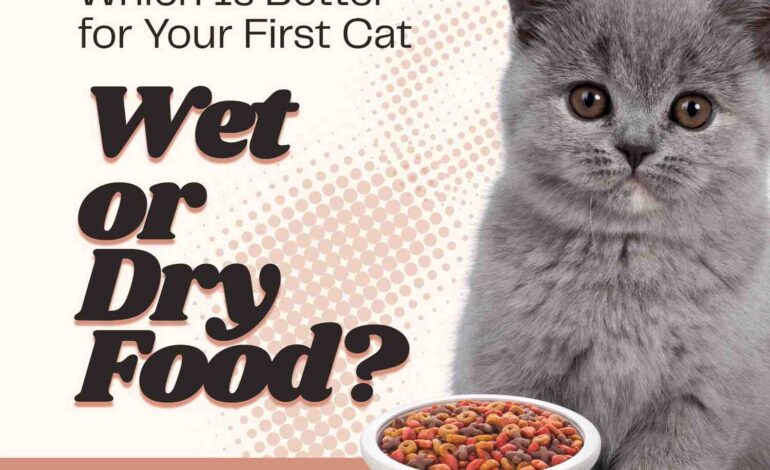
Which Is Better for Your First Cat: Wet or Dry Food?
Congratulations on getting your first cat!
Being a new cat parent is thrilling, a little nerve-racking, and you’re probably already aware of how many decisions you have to make. Among the first major queries is:
“Is it better to give my cat dry food or wet food?”
Budget and convenience aren’t the only factors in this decision. Hydration, digestion, metabolism, and long-term kidney and urinary health are all impacted by what you put in your cat’s bowl. Since cats are obligate carnivores and naturally obtain the majority of their water from food, chronic dehydration is associated with kidney illness and urinary tract problems. According to research, between 30 and 40 percent of cats over 10 get chronic kidney disease (CKD), which can have a serious negative influence on their quality of life.(1)
Your cat can receive adequate nutrients and stay well-hydrated with a mixed wet and dry cat food diet. The best wet cat food for cats is highlighted in this guide, which also addresses unique issues such wet versus dry cat food for kittens. Knowing the benefits and drawbacks of each choice will give you the confidence to feed your new furry family member in a way that promotes their development, health, and well-being.
Vet Dr. Sarah Mitchell, DVM, Board-Certified in Feline Medicine, reviewed the document.
Recognizing the Nutritional Needs of Felines
Because they are real obligate carnivores, meaning that meat isn’t simply a pleasure but a necessity, cats are designed somewhat differently than dogs or people. They actually don’t absorb carbohydrates efficiently, and their bodies are made to obtain protein from animal sources. They stay energized, trim, and healthy as a result of following a high-protein, low-carb diet, which isn’t only popular.
Another significant issue is water. Cats don’t normally drink much, in contrast to humans, and their ancestors mostly got their water from prey. Kidney and urine health are therefore of utmost importance. A diet consisting of wet foods or a clever combination of wet and dry foods keeps kids hydrated and lowers the chance of future urinary problems.
Science in veterinary medicine supports this. The National Research Council’s feline nutrient profiles state that in order to promote development, maintenance, and general health, a cat’s diet should place a high priority on protein, essential amino acids, and hydration.(2) To put it another way, providing your cat with the proper diet now is akin to setting the stage for decades of contented purring.
Science’s Real Scoop on Wet vs. Dry Cat Food
Have you ever wondered why your cat inhales from one bowl while turning up her nose at another? It goes beyond being picky. According to AAFCO nutrient profiles, wet food has roughly 70–80% moisture, which is similar to what cats acquire from prey in the wild. Since dry kibble only contains 6–10% water, cats tend to drink less and eventually run the risk of becoming dehydrated. This pattern has been observed over decades of feeding hundreds of cats from kittenhood to old age.
According to WSAVA dietary standards, the low moisture content of dry food necessitates a higher percentage of carbohydrates to bind it, usually 20–40%, as opposed to less than 10% in wet food. Because they are obligate carnivores, cats’ small digestive systems allow them to process fat and protein the best. Excess carbohydrates cause blood sugar spikes, weight gain, and metabolic stress, as demonstrated by JVIM studies that relate high-carb dry diets to twice the risk of obesity and diabetes in cats. Instead, the protein-rich content of wet food provides consistent energy.
It is sealed by digestibility. According to feline nutrition studies published in the Journal of Veterinary Internal Medicine, cats absorb nearly everything, reducing litter box waste, and wet food has a digestibility rate of 90–95%. Because pure carnivore stomachs cannot handle carbohydrates and plant fillers, dry lags at 80–85%. As stated in ISFM CKD consensus guidelines, the hydration edge also protects kidney health by preventing urinary crystals.
Wet for hydration, dry for crunch and dental advantages, mix them for the win. After looking over long-term feeding logs from households with multiple cats, veterinarians frequently suggest this balance.
Benefits & Drawbacks of Wet Food
There are many reasons to enjoy wet cat food, but there are also some problems to be aware of.
Benefits:
One of the many benefits we get from wet cat food is the moisture we get to help with the hydration when it comes to the cat`s health. Keeping the cat hydrated is extra important to maintain the health of the cat’s kidneys and urinary tract. The AAFP states that a protein rich food with plenty of moisture can help lower the chances the cat will get urinary problems.(3) Wet cat food has protein that can help the cat to have leaner muscle and more energy. Also, when it comes to feeding time, it can be less stressful for you and your new cat. It is common that cats that are picky eaters will prefer wet food.
Limitations:
Conversely, wet food may cost more per calorie than dry alternatives. It must be used within a day or two of being opened, and storage and spoiling issues are also included. Selecting the best wet cat food for cats can significantly impact hydration, nutrition, and meal happiness despite these small disadvantages.
Pros & Cons of Dry Food
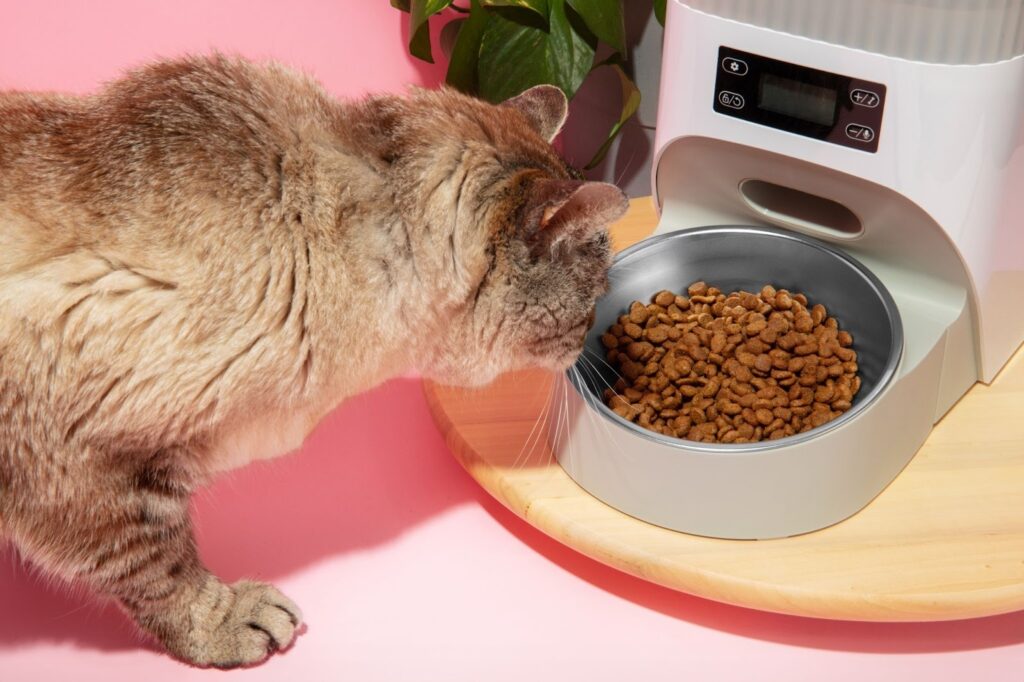
Advantages and disadvantages of dry food include its long shelf life, ease of storage, and ease of serving at any time.
- A cost-effective diet is frequently less expensive per calorie, particularly for households with many cats.
- Tartar accumulation may be lessened by texture; the crunch may offer some minor dental support.
Limitations:
- Water level: Ensure your cat consistently has availability of pure fresh water.
- Many formulas contain more carbohydrates, which could lead to weight gain if portions aren’t watched.
Vet Dr. Sarah Mitchell, DVM, Board-Certified in Feline Medicine, reviewed this.
AAHA/AAFP Feline Life Stage Guidelines is a reliable source. (4)
Why Think About a Diet of Mixed Wet and Dry Cat Food?
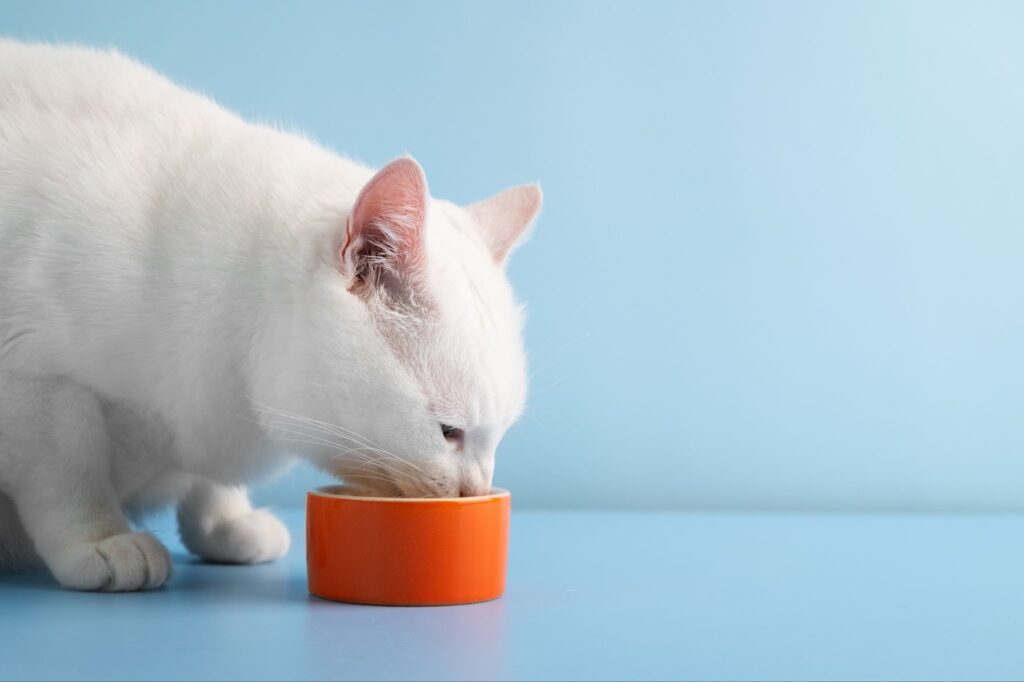
Your cat can have the best of both worlds with a mixed diet. While dry food is more convenient, has a longer shelf life, and improves oral texture, wet food promotes urinary health and hydration. Because you’re balancing portion management and calorie density, combining the two can also help avoid obesity.
It’s particularly useful in homes with multiple cats, where one may have a preference for crunchier kibble while another may be finicky about wet food. You may gratify everyone stress-free.
Vet Tip: Over the course of seven to ten days, gently introduce the new mix. Incorporate a tiny bit of the new item into their existing meals at first, then gradually add more. This lessens gastrointestinal distress and facilitates your cat’s seamless transition.
The Greatest Wet Cat Food for Felines
Great wet food has meat or organs at the top of the ingredients list, avoids corn, wheat, soy, artificial coloring, and preservatives, and has between 70 and 120 calories per pouch or can, which is appropriate for a cat of that age. For kidney protection, energizing energy, and that glossy coat sheen, veterinarians adore this configuration.
AAFCO full nutrition is consistently achieved by searching for 50%+ protein from real animal sources, 10% or less carbs, 75–85% moisture, and extras like taurine or omegas for heart and skin.
Shredded or pate varieties with a meaty scent and few calories (less than 100 per serving) are ideal for picky eaters or chunkier cats. As evidenced by JVIM obesity studies, that protein boost keeps them full without causing weight gain.
For brainpower and limitless play, consider chicken or turkey with DHA. Zoomies and kittens require more calories (100+) and fat (5–10%) than their mothers.
Seniors who are concerned about their kidneys? According to ISFM standards, aim for 80%+ hydration and moderate protein to ease the strain on the body. Aim for less than 1% phosphorous and skip fish to avoid crystals.
Is it touchy tums or allergies? Try new foods like rabbit or venison, avoid carbohydrates, and add probiotics. According to feline experiments, super digestible (90%+) equals fewer flare-ups and poop trouble.
Show your veterinarian the label next to the bloodwork, but blend with some dry kibble for the complete package.
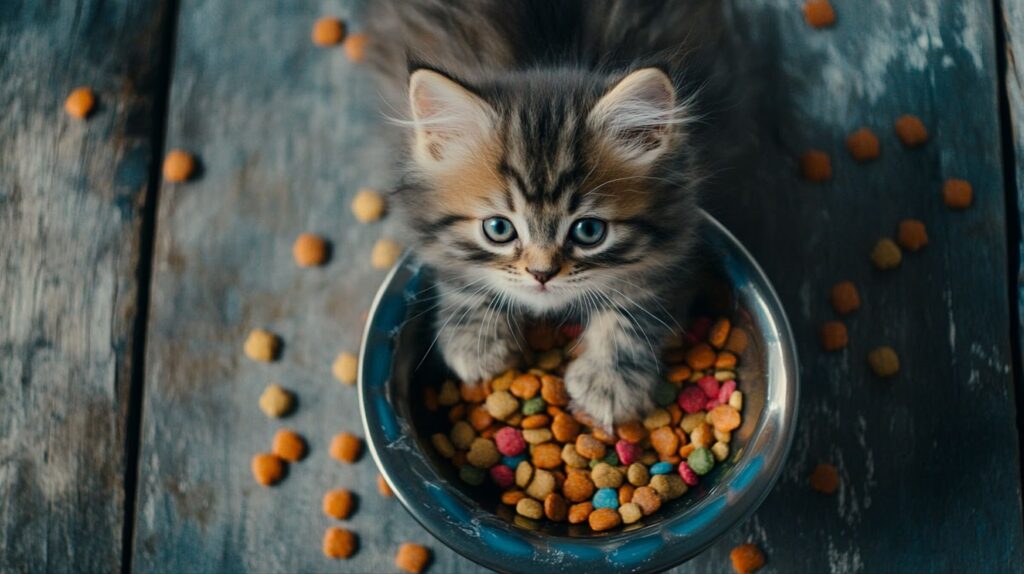
Cat Food for Kittens Dry vs. Wet Aspect
| Aspect | Wet Food Wins Because… | Dry Food Adds… |
| Growth Needs | 30-50% protein + high fat/DHA for brain/weight bursts (100+ kcal/can, AAFCO specs) | Energy dense for free-feeding tiny tums |
| Hydration | 70-80% moisture mimics mom’s milk, prevents constipation/crystals (JVIM studies) | Only 10% water—needs constant fresh bowls |
| Safety | Soft shreds/pate for toothless babies under 8 weeks, zero choke risk | Soak soft first at 5-6 weeks, small nuggets by 12 weeks |
| When to Introduce | Staple from weaning (4 weeks) as 50-75% of diet till 6 months | Mix in at 6-8 weeks for crunch training/dental perks |
Conclusion
A key decision you’ll face as a new cat owner’s determining the appropriate diet for your first feline companion. While there is no “best” option, understanding the pros and cons of wet, versus dry cat food allows you to tailor nutrition to your cat’s natural requirements and way of life including thoughtfully blending a combination of wet and dry cat food. Opt for high-quality diets where meat serves as the component and, for guidance customized to your cats requirements, always consult your veterinarian. Ultimately the well-being, happiness and vitality of your friend rely heavily on appropriate nutrition now!
Use veterinary-reviewed dietary recommendations to protect your cat’s health. 🐾 For reliable, professional feeding advice, visit Meow Care Hub.
Vet Dr. Sarah Mitchell, DVM, Board-Certified in Feline Medicine.
FAQs
1. What is a diet consisting of both wet and dry cat food?
In order to maximize hydration, oral health, and convenience, a feeding strategy that incorporates both wet and dry food is frequently suggested by veterinarians for balanced calories and hydration.
Q2. How do I choose between feeding my adult cat wet or dry food?
Answer: Take into account your lifestyle, life stage, hydration requirements, and veterinary recommendations. While dry food encourages snacking and schedule flexibility, wet food improves urinary health.
Q3. What qualities should I search for in the best cat wet food?
Select recipes that have meat as the main element, few carbohydrates, and no artificial additions. Examine the calorie content in relation to your cat’s activity level and health objectives.
Q4. What is more important when considering wet versus dry cat food for kittens?
Kittens require a lot of hydration and protein. As they wean, dry food can be progressively introduced; wet food promotes growth and hydration.
Q5. Is it possible to reduce obesity by combining moist and dry foods?
Yes, while dry food offers consistency and a variety of textures, wet food boosts fullness with less calories.
Resources:
- https://www.monge.it/en/isfm-consensus-guidelines-on-the-diagnosis-and-management-of-feline-chronic-kidney-disease/
- https://www.nationalacademies.org/read/10668/chapter/1#v
- https://pmc.ncbi.nlm.nih.gov/articles/PMC10812130/
- https://pmc.ncbi.nlm.nih.gov/articles/PMC10812130/
Veterinary Nutrition Disclaimer
This article is intended for educational purposes only and does not replace professional veterinary advice. While it is informed by established feline nutrition principles and widely accepted veterinary guidance, every cat has unique dietary needs based on age, breed, health history, and lifestyle. Before making significant changes to your cat’s diet, especially for kittens, senior cats, or cats with medical conditions such as urinary or kidney disease, consult a licensed veterinarian or veterinary nutritionist.