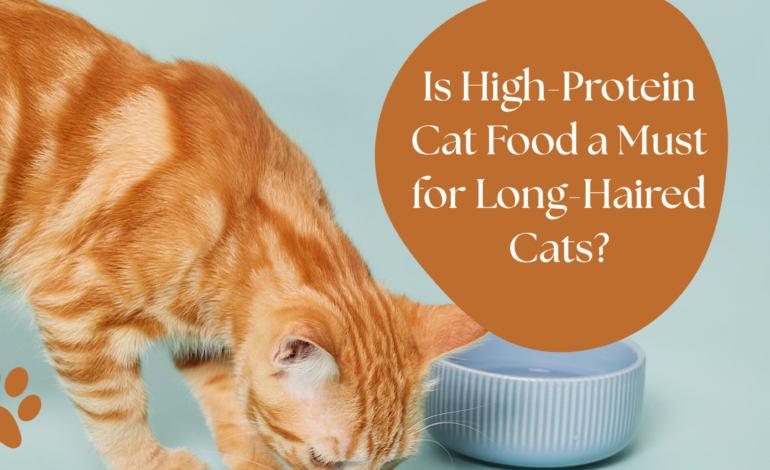
Is High-Protein Cat Food a Must for Long-Haired Cats?
Long-haired cats are absolutely beautiful—but maintaining their coat free of tangles and in good condition can seem like a full-time job. And that’s not to mention the little-known secret to that silky sheen: nutrition. Specifically, protein.
So is a high-protein diet the key to your glossy, tangle-free new look?
In this field guide, Meow Care Hub takes a closer look at how high-protein diets can help healthy cat coats, reduce shedding and maintain overall vibrant living —and what to feed for a maximum floof factor.
Why Do Long-Haired Cats Need Special Nutrition?

Whether Persian royalty or the plushy Ragdoll, long-haired cats are showcasing heads with their amazing fur-coats-and pay a price for that! They have thick fur which tends to tangle, shed and yes, hairballs.
In comes specific nutrition.
The food should not only fill the stomachs of these breeds but also build the hair follicles, decrease the hair loss, and nourish the skin. And what is at the core of it? High-quality protein. It is the chief component of a healthy-looking coat and plays a vital role in maintaining long-haired cats in top condition (both visually and physically).
Why High-Protein Cat Food Helps Long-Haired Cats?
Absolutely—but it’s all about balance.
Here’s why protein is essential for your fluffy feline:
- Their coat is made of protein.
Hair is made up of keratin, a protein formed from amino acids. Your cat’s coat will lose its luster, appearing dry and fragile looking and will shed more than normal if their body doesn’t get enough good quality protein. - Less shedding, fewer hairballs.
Stronger hair shafts means less breakage — and thus less loose fur is ingested by your cat while grooming. Which means less hairballs (and less messes for you!) - Healthier skin = better coat.
Protein also helps the skin to regenerate and maintain a strong skin barrier, which has a direct effect on the condition of the coat. - Packed with vital amino acids.
Taurine, methionine, arginine—these indispensable nutrients commonly supplied by animal-based proteins are essential to the optimal health of your long-haired cat.
But there’s a twist: High-protein diets are most effective when they’re combined with other essentials — such as fiber for hairball control and omega fatty acids for that shiny, pet-me-again coat.
Is High Protein Cat Food Good for Long Haired Cats?
Absolutely, as long as it’s from animal sources and part of a balanced diet.
Benefits of High-Protein Cat Food for Long-Haired Cats:
| Benefit | Description |
| Healthy Coat | Builds keratin for stronger, shinier hair |
| Skin Repair | Supports skin cell regeneration and hydration |
| Muscle Maintenance | Helps maintain lean muscle mass |
| Amino Acid Support | Taurine and methionine promote heart, coat, and immune health |
| Reduced Hairballs | Less shedding = fewer ingested hairs |
What to Look for in the Best High-Protein Cat Food

Not all “high-protein” products are equal. Here are some tips to recognize the real deal while shopping for your long-haired friend:
- Real Animal Protein First
Look for named protein sources, like chicken, turkey, salmon or beef as the first ingredient. Avoid terms like “meat meal” and do not use plant-based fillers like soy, corn gluten or pea protein. - No Artificial Junk
No preservatives like BHA, BHT, ethoxyquin. No artificial colors; no artificial flavors. Cleaner labels equal better health. - Omega-3 & 6 Fatty Acids
Essential fatty acids (DHA & EPA) are great for a silky coat and hydrated, itch free skin—these fats are must haves for long-haired breeds. - Hairball Control Support (Optional but Handy)
Breeds such as Persians and Ragdolls are likely to shed more. Using formulas that have fibre added can help cats with hairballs to discharge hair naturally. Some examples of added fibre are psyllium husk or beet pulp.
Best High-Protein Cat Food Options for Long-Haired Cats
| Brand | Protein Source | Why It’s Great | Buying Link |
| Tiki Cat After Dark | Chicken, liver, heart | High moisture and organ-rich | Link |
| Nulo Freestyle Turkey & Chicken | Turkey & chicken | Grain-free, high meat content | Link |
| Instinct Original Grain-Free | Cage-free chicken | Raw-coated kibble, protein-focused | Link |
| JustFoodForCats Cod & Chicken | Fish & poultry | High in omega-3, vet-recommended | Link |
| Wellness CORE Grain-Free | Turkey, chicken | High protein, enriched with omega oils | Link |
Do All Long-Haired Cats Need the Same Protein Level?

Not quite—the best protein diet is different for every cat. The protein amount considered best for every cat is dictated by:
- Life Stage:
It is greatly needed by the kitten cats who are in the growth stage. It is less for the adult or matured cats. - Health Conditions:
Aged cats having health issues such as kidney disease need protein intake to be controlled. They need to be discussed with a doctor first. - Activity Level:
Roughly, the Maine Coon cat which likes the outdoors is far more active than the indoor cat. The Maine Coon cat might need higher protein intake.
Bottom line:
To some degree, it is summed up that the best source of the protein intake for the long haired cats is determined by the veterinarian along with the factors such as age, lifestyle, and health.
Final Thoughts: Do Long-Haired Cats Need High-Protein Cat Food?
Not every long-haired cat needs a high-protein diet, but most can certainly benefit from one! Protein supports strong, healthy hair, good skin elasticity, and less shedding and hairballs. The best diets offer high-quality animal protein combined with omega fatty acids and digestive support for the best all-around coat and health.
Do you want your cat’s coat to look as regal as it feels? Your high-protein cat food is probably the upscale option their bowl has been waiting for.
👉 Leave no stone unturned! Check out Meow Care Hub’s recent cat food reviews and recommendations to find your companion high-protein meals! Because every hair deserves to shine!
FAQs About High-Protein Cat Food for Long-Haired Cats
Q1: Is high-protein cat food good for long-haired cats with hairballs?
A: Yes, especially when paired with fiber. It reduces shedding and promotes stronger hair, which lowers hairball risk.
Q2: Can I feed my senior long-haired cat a high-protein diet?
A: Yes, but monitor kidney function and consult a vet. Older cats may benefit from easily digestible high-protein foods.
Q3: What’s the best high-protein cat food for shedding control?
A: Look for high-protein recipes with added omega-3s, like Wellness CORE or Instinct Original.
Q4: Do long-haired cats need more protein than short-haired ones?
A: Not necessarily more, but quality protein is more important for maintaining their longer coats and managing hairballs.
Q5: Is wet or dry food better for high protein?
A: Wet food tends to have higher-quality protein and moisture. Dry food is more convenient. A mix of both can work well.