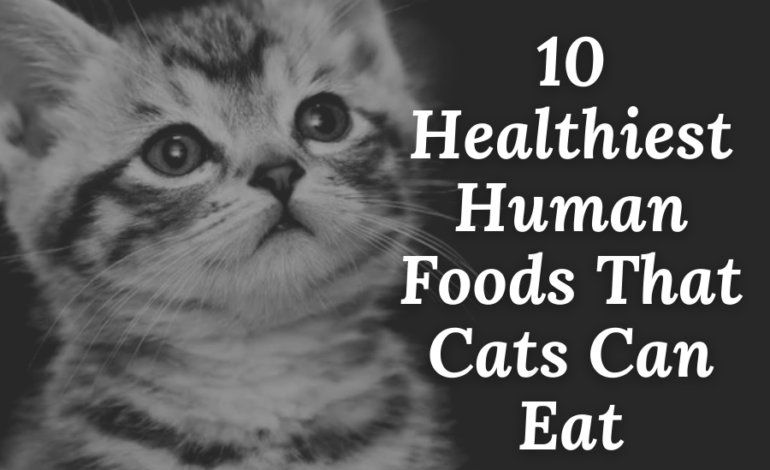
10 Healthiest Human Foods That Cats Can Eat
Many cat owners enjoy giving their cats some little bits of human food for bonding and tasty treats. However, before giving their cats food, safety, moderation, and nutrition should be given precedence. As obligate carnivores, cats’ diet needs primarily meat nutrients to be healthy, so meat-based human food royal dog food largely represents the best option of cat snack food. However neither meat-based foods nor dog food are human foods.
What “good human food for cats” means is human food that has a health benefit to cats without the potential for harm. In this guide, we will cover the best human “treats” for cats including safe cat treats that are human and occasionally shareable with your pet cat. We will also look at some of what human food is healthy for cats and what human food is good for kittens, to allow you to understand why certain foods may work for you furry friends.
Why Human Food Should Be Given in Moderation to Cats
Moderation is key when it comes to feeding human food to cats and should not exceed 10% of their total daily calorie consumption. Treats can serve as a nice way to bond over, however, over nourishing cats with human food, especially those rich in salt, sugar, or processed food, poses serious health risks such as obesity, digestive issues, and allergies. Human beings possess a multitude of dietary options, however, cats are extremely sensitive when it comes to nutrition which makes them more susceptible to vomiting, diarrhea, and other long term health issues if the wrong foods are provided.
This is especially true for kittens as they require a balanced diet that supports growth while being safeguarded from potential dangers. Certain human foods aren’t safe for kittens making the need to select treats far more carefully. Doing so ensures support for healthy growth without the threat of digestive discomfort or nutrient imbalances.
The 10 Healthiest Human Foods That Cats Can Eat
| Food Item | Why It’s Healthy for Cats | Feeding Tips & Precautions |
| Cooked Poultry | High protein, lean meat supporting carnivorous diet | Serve plain, unseasoned, fully cooked; limit quantity |
| Cooked Eggs | Easily digestible protein and essential vitamins | Offer boiled or scrambled without oil; no raw eggs |
| Plain Canned Tuna (in water) | Protein-rich, omega-3 fatty acids | Occasional treat only; avoid frequent feeding due to mercury risk |
| Cooked Fish (Salmon, Mackerel) | Omega-3s for anti-inflammatory benefits | Fully cooked, boneless; limit frequency |
| Lean Red Meat (Beef, Lamb, Pork) | Rich in protein and essential nutrients | Fully cooked, unseasoned, bite-sized pieces |
| Pumpkin (Plain, Cooked) | High fiber, helps digestion | Small amounts; avoid seeds and skin |
| Plain Bread (Small Amounts) | Safe source of carbs but not nutritionally vital | Avoid raw dough; offer occasionally |
| Certain Fruits (Bananas, Blueberries, Apples) | Nutrients and fiber; low toxicity risk | Remove seeds, skin; avoid grapes and raisins |
| Vegetables (Carrots, Green Beans, Broccoli) | Fiber, vitamins, and minerals | Cooked and served in small amounts |
| Plain Popcorn (Unsalted, No Butter) | Low-calorie fiber snack | Avoid unpopped kernels; very occasional treat |
What Human Food is Good for Kittens?

If you want to take good care of your kittens using human food, it is best to give them easily digestible proteins like cooked poultry and eggs, which are rich in nutrients that can help them grow quickly. The first few weeks of life, the kittens are entirely on mother’s milk for nourishment, and they are yet to be given solid food, including no high-fiber fresh and dried fruits and vegetables. Although human foods may be served in small amounts as cool treats, the most prudent action to take will be to focus on well, balanced, and exclusively kitten food diets, thus adequate vitamins and minerals will be guaranteed for their growth and good health.
Foods to Avoid: What Human Foods Are Bad for Cats
- Chocolate: Includes theobromine and caffeine, which are toxic to cats causing vomiting, seizures or if taken in large quantities, even death.
- Xylitol (in sugar-free candy/gum): Can initiate a life-threatening blood sugar drop as well as liver failure.
- Raw dough: The yeast has the potential to ferment in the tummy, hence gas will form, which leads to bloating, pain, and alcohol poisoning.
- Deli meats: Are usually salted, spiced, and preserved and can thus be the reason that your cat will have a stomach upset.
- Dairy products: Most cats are lactose intolerant, making this the root of diarrhea and stomach-ache for them.
- Processed snacks (chips, cookies, etc.): Salt, sugar, and artificial ingredients, which are very harmful to cats, are found high.
- Jerky and cured meats: Are basically constituting preservatives and high levels of sodium which are nothing but toxic or gravely dehydrating.
What To Do If You Run Out of Cat Food

- Use cooked poultry, fish, or lean meat temporarily: If you happen to run out of cat food, simple, cooked chicken, turkey, or fish could be offered instead as a temporary substitute — maximum 48 hours — to avoid dietary gaps. Without seasoning, oil, or flavors, which might irritate the stomach of the cat, please.
- Avoid sudden diet changes: Cats have delicate digestion, thus eating any food without transitioning gradually can stimulate vomiting, diarrhea, or suppressed appetite. In the case of temporary food, if possible, it’s better to slowly get your pet used to it by mixing small amounts with the regular diet if available.
- Monitor for digestive upset: Observe the behavior and look for the signs of an upset stomach. Vomiting, diarrhea, and lethargy would be the symptoms of belly ache, and beyond that, if there is no change, reach out to your vet as soon as possible.
- Keep an emergency food supply: It’s always good to have a small amount of your cat’s food kept in the storage somewhere. So, if there is a shortage, this is a way to remain normal in the cat’s diet as well as less stress for the cat.
- Consult your veterinarian when needed: If the cat’s trick does not work and shows some health problems then it is advisable to consult a vet to avoid malnutrition and dehydration.
Vet Tips on Feeding Human Food to Cats
Veterinarians advise that introducing human food to cats must be done cautiously, slowly, and small amounts at a time. The digestive system of a cat is a specially adapted digestive system, and it doesn’t take much for cats to become sick when humans try to introduce food.
It is important to remember that whenever a new food of any kind is introduced. You should always monitor your cat closely to look for signs of allergic reactions or dietary distress (vomiting, diarrhea), especially while this is the first time they are being offered something new or as a treat. When rewarding or training, use a high-value meat-based treat that not only satisfies some nutritional requirement, may be offered as an obligate carnivore, and mostly fish or beef, that is both nutritious and enjoyable. It is important to consider all of these aspects so that your cat stays happy and healthy as the human food is safely offered as an occasional treat.
Final Thoughts
In conclusion, sharing human food with your cat should always be approached with caution and moderation. Cats are best served with animal protein snacks that can satisfy their obligate carnivore nutritional needs and therefore the human food that should be avoided is simply any food that could harm the wellbeing of your cat. Practicing responsible feeding – introducing a new food slowly, looking for reactions and limiting food treats to around 10% of total food consumption – goes a long way in nurturing your cat’s digestive health, energy levels, and longevity.
So if you want to be mindful of what you give your feline friend, using some discretion makes it very easy to ensure they continue to enjoy their meals! If you want further nutrition help, pup resources tips and food reviews, you can access that information resource at Meow Care Hub as your go-to source for all things “Cat”!
FAQs
Q1: What is good human food for cats?
A: Cooked, unseasoned poultry, eggs, lean meats, certain fruits and vegetables, and plain canned tuna in water are among the healthiest human foods safe for cats.
Q2: What human food is good for kittens?
A: Kittens should have easily digestible proteins like cooked chicken and eggs. Avoid giving high-fiber fruits or vegetables until they are older.
Q3: What are the best human treats for cats?
A: Small bites of cooked poultry, boiled eggs, and plain canned fish are great high-value treats that satisfy a cat’s carnivorous cravings.
Q4: Are human foods good for cats every day?
A: No. Treats should make up no more than 10% of your cat’s daily calories to avoid nutritional imbalances and health issues.
Q5: Can cats eat bread or popcorn?
A: Yes, in very small amounts. Plain bread and plain, unsalted popcorn can be safe occasional treats but offer no significant nutritional benefits.
Q6: Is it safe to feed cats dairy products like milk or cheese?
A: Most adult cats are lactose intolerant, so dairy products can cause digestive upset and are not recommended.
Q7: What human foods should cats avoid?
A: Avoid chocolate, xylitol-containing candy, raw dough, deli meats, processed snacks, and any food high in salt, sugar, or harmful additives.