Grooming Tools Every Persian Cat Owner Must Have
Persian cats are famous for their luxurious, flowing coats, but that beauty comes with responsibility. Their long, dense, double-layered fur is highly prone to tangles and mats, especially in high-friction areas like the belly, armpits, and behind the ears.
According to ASPCA reports, up to 80% of long-haired cats develop mats if not groomed consistently. These mats can pull on the skin, trap dirt and moisture, and even cause painful irritation or infections. Regular grooming is more than a cosmetic choice, it prevents mats, reduces hairballs, and keeps your Persian comfortable and happy.
The guidance in this article is rooted in over two decades of hands-on feline grooming experience and reinforced by veterinary advice, giving Persian cat parents reliable, expert-backed recommendations.
Understanding Persian Cat Grooming Needs
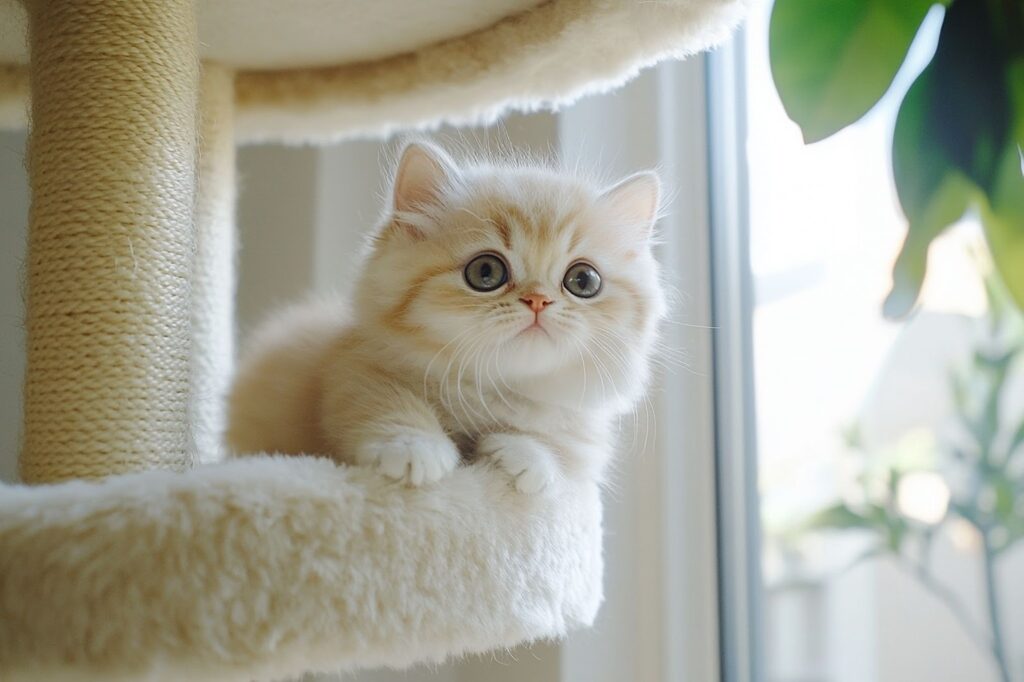
Persian cats are a sight to behold, but their long, double-layered coats are deceptively high-maintenance. The dense undercoat combined with silky top hairs traps loose fur, dust, and debris, making tangles and mats an almost daily risk if grooming is skipped. Left unattended, these mats can pull painfully on the skin, block airflow, and even lead to irritation or infections.
Behaviorally, Persians can be sensitive during grooming. Rough brushes or rushed sessions often create stress, making future grooming a battle. Choosing the right tools and using gentle techniques turns grooming into a positive experience, strengthening the bond between cat and owner while keeping the coat smooth, healthy, and touchably soft.
Persian Cat Grooming Essentials: Core Brushing & Detangling Tools
Maintaining a Persian cat’s luxurious coat starts with the right tools. Daily grooming isn’t just for aesthetics, it’s essential to prevent painful mats, skin irritation, and excess shedding.
- Wide-Toothed Comb: Perfect for reaching the dense undercoat, this comb gently detangles knots without tugging, keeping your cat comfortable during brushing.
- Fine-Toothed Comb: Ideal for sensitive spots like the face, ears, and paws, this comb ensures no hidden tangles go unnoticed, protecting delicate skin and whiskers.
- Slicker Brush: This classic tool removes loose surface fur, helps distribute natural oils for a healthy shine, and keeps mats from forming before they become a problem.
Veterinary and professional groomer guidance consistently emphasizes that these tools are non-negotiable for daily grooming. Using them correctly keeps your Persian’s coat soft, smooth, and free of irritation, turning grooming into a stress-free routine rather than a struggle.
Mat Management Tools
Persian cats are prone to stubborn mats, and tackling them safely requires the right tools and careful technique.
- Dematting Comb or Mat Splitter: These specialized tools gently work through tough tangles, separating mats without pulling on the skin.
- Small Scissors with Rounded Tips: Perfect for trimming mats in tricky spots or keeping sanitary areas clean, these scissors reduce the risk of accidental cuts.
Professional and veterinary guidance stresses that improper mat removal can damage the skin or hair follicles. Using the right tools with patience ensures your Persian stays comfortable while maintaining a healthy, tangle-free coat.
Face and Eye Hygiene Tools
Keeping a Persian cat’s face clean is just as important as brushing the coat, especially because their flat facial structure makes them prone to tear buildup. Without daily care, moisture around the eyes can quickly turn into staining, irritation, or bacterial growth.
- Tear Stain Remover Solutions or Wipes: Gentle, cat-safe wipes or solutions help clean the eye area daily, reducing tear stains and lowering the risk of infections. Regular use keeps the fur around the eyes dry and healthy.
- Small Soft Bristled Toothbrush or Fine Tooth Comb: These tools are ideal for carefully removing dried eye discharge without tugging on delicate facial fur or irritating the skin.
Daily face and eye hygiene is essential for Persian cats. Consistent cleaning keeps them comfortable, prevents odor and infection, and helps maintain that clean, expressive face Persians are known for.
Bathing and Finishing Tools

Bath time can be a game changer for Persian cats when it is done with the right tools and a calm approach. Long coats hold onto oil, dust, and loose hair, and regular bathing helps keep the skin healthy while making daily brushing far easier.
- Cat Specific Shampoo and Conditioner: Always choose products made only for cats. A pH balanced shampoo cleans without stripping natural oils, while a matching conditioner keeps the coat soft, manageable, and less prone to tangles after drying.
- Microfiber Towel or Chamois: These absorb water quickly without rough friction. They reduce drying time and help prevent the coat from twisting or knotting while blotting moisture away.
- Handheld Shower Attachment: A gentle, controlled water flow allows thorough wetting and proper rinsing, which is essential for thick Persian coats. Good rinsing prevents residue that can irritate skin or dull the fur.
From long term grooming experience, regular bathing works best when paired with daily brushing. Together, they keep the coat clean, light, and comfortable while reducing mats before they ever have a chance to form.
Nail and Paw Care Tools
Nail and paw care often get overlooked, but for Persian cats, it is just as important as coat grooming. Long fur around the paws can hide overgrown nails, increasing the risk of snagging, discomfort, or accidental injury.
- Cat Specific Nail Clippers or Electric Grinder: Tools designed for cats give better control and precision. Trimming every two to three weeks keeps nails at a healthy length and prevents painful splits or snagging on carpets and furniture. Electric grinders can be especially helpful for nervous cats because they smooth edges gradually.
- Styptic Powder: Even experienced groomers keep this on hand. If a nail is trimmed a bit too short, styptic powder quickly stops bleeding and protects the nail from infection.
From professional grooming practice, slow trimming, good lighting, and calm handling are key to nail safety. Rushing the process or using improper tools can cause stress or injury, which is why proper equipment and patience make all the difference for both comfort and confidence.
Daily, Weekly, and Monthly Grooming Routine
A consistent grooming schedule is the secret behind a healthy, mat free Persian coat. After years of hands-on grooming experience, one thing is clear. Small efforts done regularly prevent big problems later.
Daily Routine:
Spend about fifteen to twenty minutes gently combing through the coat using a wide toothed comb followed by a slicker brush. This keeps tangles from forming and removes loose hair before it turns into mats. Daily eye cleaning is just as important for Persians. A quick wipe helps prevent tear buildup and keeps the face comfortable and clean.
Weekly Care:
Once a week, slow things down and do a full coat check. Feel for any hidden knots, especially around the armpits, belly, and behind the ears. Take a moment to clean the ears and look over the skin for redness, flakes, or irritation. Catching small issues early avoids stressful grooming sessions later.
Every Three to Four Weeks:
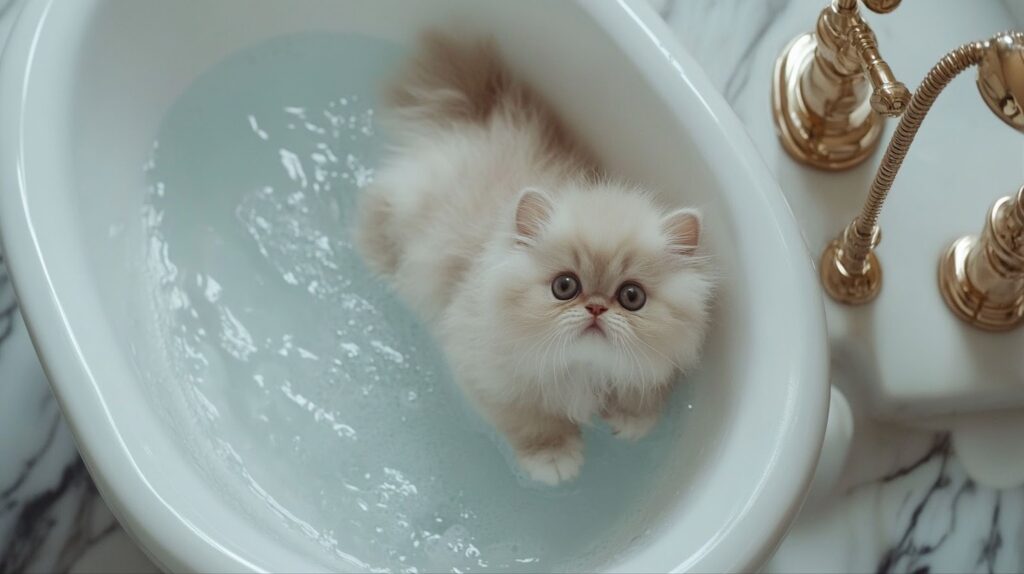
This is the time for a proper bath, nail trimming, and a light sanitary trim. Regular bathing keeps the coat fresh and manageable, while nail care prevents discomfort and accidental scratches. Keeping the sanitary area neat also supports better hygiene and comfort.
A helpful tip from long term grooming practice is to start this routine early in kittenhood. Gentle handling, short sessions, and calm praise help kittens grow into adults who see grooming as bonding time rather than a chore. Over time, these moments become relaxing rituals that strengthen trust and keep your Persian looking and feeling their best.
Conclusion
Grooming a Persian cat is not just about keeping them beautiful. It is about protecting their comfort, health, and overall happiness. The right grooming tools play a crucial role in preventing painful mats, reducing hairballs, and avoiding skin irritation that can easily develop under a thick, long coat.
When Persian cat grooming essentials are used daily, the coat stays smooth, breathable, and healthy. Regular grooming also improves circulation, distributes natural oils, and helps your cat feel relaxed and cared for. Over time, these routines turn into quiet bonding moments that build trust between you and your cat.
Most importantly, using the correct tools transforms grooming from a stressful task into a positive, predictable routine. A well groomed Persian is not only stunning to look at but also more comfortable, confident, and content in everyday life.
Want stress-free grooming and healthier days for your Persian?
Explore expert grooming tips, trusted tool guides, and vet reviewed advice at Meow Care Hub and turn everyday grooming into a calm, happy bonding ritual. Start your journey toward a healthier coat and a happier cat today.
Vet Reviewed
This content has been reviewed for accuracy and safety by a licensed veterinary professional to ensure it aligns with current feline health and grooming best practices.
FAQs
1. What are the grooming tools every Persian cat owner should have at home?
The grooming tools every Persian cat owner needs include wide-toothed and fine-toothed metal combs, a slicker brush, dematting tools, rounded-tip scissors, tear-stain cleaning supplies, cat-specific shampoo, microfiber towels, and safe nail-trimming tools. These essentials help prevent mats, skin infections, and discomfort.
2. Why are Persian cat grooming tools different from regular cat grooming tools?
Persian cat grooming tools are designed for long, dense, double-layered coats and flat facial structures. Regular tools meant for short-haired cats cannot safely reach the undercoat or manage frequent tangles, which is why specialized Persian cat grooming essentials are necessary.
3. What are the best grooming tools for Persian cats to prevent matting?
The best grooming tools for Persian cats include a wide-toothed metal comb for the undercoat, a slicker brush for daily surface grooming, and a dematting comb for stubborn knots. Using these tools daily significantly reduces mat formation and coat-related discomfort.
4. How often should Persian cat grooming essentials be used?
Persian cat grooming essentials should be used daily. Brushing and combing for 15–20 minutes each day helps prevent mats and hairballs, while bathing and nail care are typically needed every 3–4 weeks. Consistency is key to maintaining coat and skin health.
5. Are grooming tools every Persian cat owner uses safe for kittens?
Yes, grooming tools every Persian cat owner relies on are safe for kittens when used gently. Starting grooming early helps kittens become comfortable with handling and builds lifelong positive grooming habits, reducing stress as they grow.
Medical Disclaimer
The information provided by Meow Care Hub is for educational purposes only and is not intended to replace professional veterinary advice, diagnosis, or treatment. Every cat is unique, and grooming or health needs may vary. Always consult a qualified veterinarian or professional groomer if you have concerns about your cat’s skin, coat, behavior, or overall health.