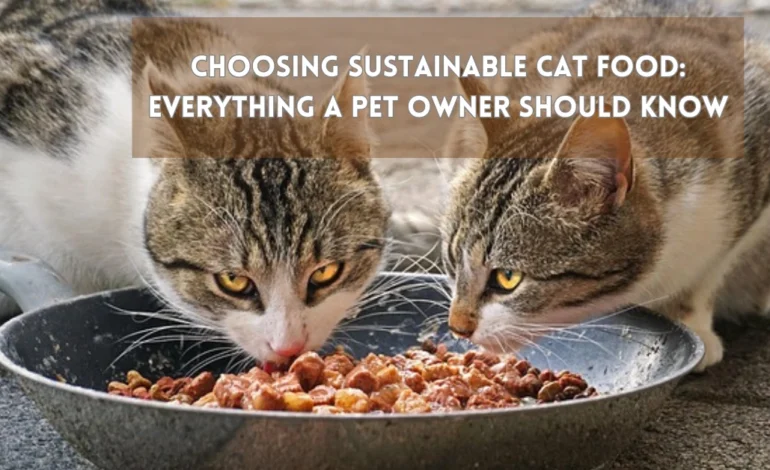
Best Cat Foods for Sensitive Stomachs

The ultimate question: Is your feline often throwing up; is it having hairballs or other stomach problems? These could emphasize something else entirely-a sensitive stomach. But it is something that makes mealtime a hassle across the feline universe. Explain which diet would put an end to that discomfort so she could thrive again. In this guide, we’ll take a look at sensitive stomach causes in cats, how to identify the symptoms, and how to choose the best cat food for their needs. With proper nutrition, your cat will feel better, stay healthier, and get to live more comfortably.

How to Tell If Your Cat Has a Sensitive Stomach
But if your cat frequently vomits or regurgitates after meals, there might be a digestive complication. Similarly, sudden weight loss or changes in appetite may suggest discomfort or poor nutrient absorption. Excessive grooming resulting in hairballs or the appearance of bloating and gas might also signify stomach sensitivity. These symptoms are obviously important to monitor for, as these may necessarily suggest food sensitivity or other health conditions.
Understanding the importance of a proper diagnosis is paramount. Symptoms like these can also occur as a consequence of other underlying conditions like feline asthma, GI disturbances, or infections with food sensitivity mimickers. Very often, they can be ruled out by your veterinarian. Diagnostic tests including blood work, X-rays, or ultrasounds may provide further insight into the cause of the problems. A proper diagnosis ensures the appropriate treatment and care for your cat, thus contributing to its long-term health and well-being.
Causes of Sensitive Stomachs in Cats
Dietary Factors:
- Low-Quality Ingredients: A food product that contains fillers or does not contain highly digestible substances at worst.
- Food Allergies: Sensitivities to certain proteins, grains, or additives.
Other Causes:
- Overeating: Eating too many foods too quickly which causes vomiting (“scarf and barf”).
- Stress: Changes in routine or environment leading to digestive upset.

What to Look for in Cat Food for Sensitive Stomachs
In general, special foods designed for sensitive stomachs include unique features that promote digestive health and comfort. Balanced ingredients that are good for the tummy are very important. Other things include the use of a single-source protein-or new kinds of proteins-like turkey or duck. Limit allergens so that there is less chance of triggering allergy responses. Balanced formula works with a proper amount of fat, protein, and carbohydrates so that physical well-being is maintained without taxing the digestive system. Other good additions include omega-3 fatty acids for inflammation, soluble fiber for digestion, and antioxidants for immune support.
Sensitivity can be propped up through different diets. Limited ingredient diets present simplified formulas that assist in not only recognizing but also avoiding allergens. Hypoallergenic diets are solely tailored by veterinarians, which provide solutions for cats with extremely sensitive stomachs and for a very controlled approach in tacking food-triggering problems. Hydrolyzed protein diets break down proteins to their presimplified molecular structures that do not cause allergic reactions. Such are some other options available for those who suffer from sensitive stomachs that give the relief and help that the digestive sensitivities of cats actually need.
Top Cat Food Options for Sensitive Stomachs
| Cat Food Option | Type | Key Features | Buying Link |
| Royal Canin® Veterinary Diet Hydrolyzed Protein HP Dry Cat Food | Dry Food | Hydrolyzed protein, formulated for food sensitivities and allergies. | Buy Here |
| Natural Balance® L.I.D. Chicken & Green Pea Formula (Grain-Free) | Dry Food | Limited ingredient, single-source protein (chicken), grain-free, highly digestible. | Buy Here |
| Purina® Pro Plan® Veterinary Diets EN Gastroenteric Formula (Canned) | Wet Food | Designed for gastrointestinal health, promotes digestive comfort and nutrient absorption. | Buy Here |
| Hill’s Science Diet Sensitive Stomach & Skin Chicken Recipe | Dry Food / Wet Food | Highly digestible, balanced nutrients for sensitive stomachs and skin. | Buy Here |
| Wellness CORE Grain-Free Turkey & Duck | Dry Food / Wet Food | High-protein, grain-free, single-source protein, easy to digest. | Buy Here |
Feeding Tips for Cats with Sensitive Stomachs
- Portion Control:
- Serve your cat little and often to avoid overeating, overloading their stomach, and vomiting. Three to four well-portioned meals a day, according to the needs of your cat, should suffice.
- Activity-Related Feeding:
- Interactive feeders such as Doc & Phoebe’s™ Indoor Hunting Cat Feeder Kit are a great way to slow down eating and mimic natural behavior. This allows for great digestibility and prevents overeating.
- Transitioning Diets:
- Introduce new foods gradually over 7-10 days to minimize stomach upset. Watch how your cat(s) responds, and contact your vet if problems persist.
Conclusion
Detecting symptoms of a sensitive stomach early enough will enable you to manage your cat’s digestive health better. If you spot symptoms like vomiting, hairballs, or changes in appetite, it is best to adjust to underlying problems as fast as you can. Providing good high-quality food that is also easy to digest addresses the positive side of a cat. The right nutrition may reduce discomfort and improve your cat’s digestive function. Never forget to consult with your vet about any diet changes before proceeding to the new diet to ensure the fitness of the food you are administering to your pet. Meow Care Hub recommends certain products and resources for sensitive stomachs of felines to help you feel confident about any solutions you may be interested in.
FAQs About Cat Food for Sensitive Stomachs
Q1. What does a cat with a sensitive stomach experience?
Symptoms include constant vomiting, weight loss, diarrhea, or regurgitation of food.
Q2. How can I determine whether food is the culprit behind my cat’s sensitive stomach?
The veterinarian will do a complete examination to rule out any other issues with your kitty’s health. A diet trial can then be conducted to determine if there are food sensitivities.
Q3. What is the best cat food for sensitive stomach?
Highly-digestible, limited-ingredient, or hydrolyzed protein diets, such as Royal Canin® Hydrolyzed Protein HP or Natural Balance® L.I.D. would be of particular interest in this instance.
Q4. Opt for wet or dry food for a sensitive stomach in cats?
Usually, wet food will be easier for digestion; however, some cats have no problem with high-protein dry food. Your veterinarian will be able to help you choose the right one.
Q5. How long does it take for a change in cat food to show results?
Results may start coming in approximately 3-4 months after your kitty’s system has been transitioned to a new diet.
Q6. Can the problem with sensitive stomach just fix itself without changing diet?
Usually, smaller meals more frequently or a stress decrease can help, but diet changes are often needed for long-term improvement.
Q7. Could hairballs be a symptom of a sensitive stomach?
A hairball, which is regularly expelled by a person, shows a possibility for dietary problems or an inadequate digestive performance. A sensitive stomach diet will certainly reduce hairball buildup.