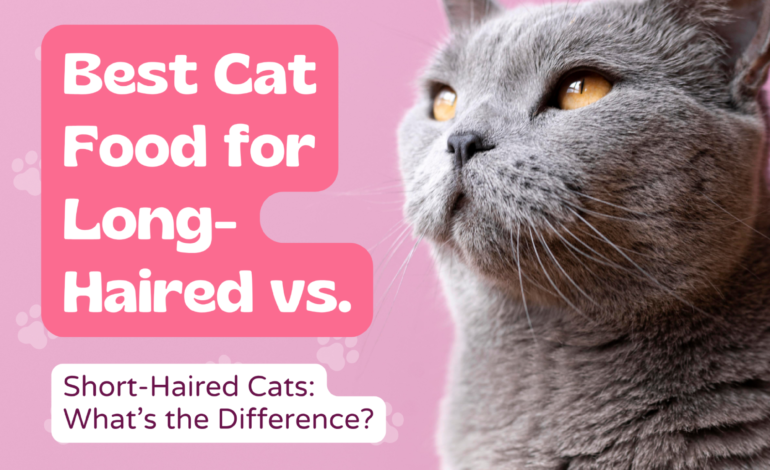
Best Cat Food for Long-Haired vs. Short-Haired Cats: What’s the Difference?
Believe your cat’s fur’s all about looks? Think again. Those giant fluffs of smoosh tell a story — about hydration, gut health, grooming habits or hidden nutritional gaps. From Maine Coons with hairball drama to sleek tabbies with dry skin, it’s all about that diet.
The best cat food for long haired cats will also typically contain additional fiber to assist in hairball management and the omega-3 fatty acids that contribute to a silky coat. Also, cat food for short vs medium vs long haired cats has a different formula to account for hygiene and skin differences.
In this guide, we break down how the length of your cat’s coat can affect their nutritional needs — and give you tips on finding the right food to maintain a healthy, glossy, happy coat.
Why Coat Type Affects Diet

- Grooming Habits Vary by Coat Length
Longhaired cats groom themselves longer, which means increased chances of swallowing coats, whereas shorthaired cats generally don’t require as much grooming. - Impact on Digestion and Skin Health
Eaten fur can interfere with digestion, particularly in longhaired breeds. It’s no secret that nutrients, such as omega fatty acids, are necessary to keep skin healthy for all coat types, but requirements may be different. - Higher Hairball Risk in Long-Haired Cats
Long-haired cats lick more, so they consume more fur. If the hair doesn’t digest correctly, you get hairballs — and uncomfortable hairballs at that, which might even end up in your vomit. Fiber-rich diets aid digestion and help keep things flowing in the gut. - Coat Health Is More Visible in Short-Haired Cats
Any skin or coat problems — such as dandruff or dull fur — are readily apparent on short-haired cats, so proper nutrition is essential to maintaining that radiance.
Nutritional Needs: Long-Haired vs. Short-Haired Cats
| Nutrient | Long-Haired Cats | Short-Haired Cats |
| Fiber | Higher fiber helps prevent hairballs due to grooming | Moderate fiber is sufficient |
| Omega-3 & Omega-6 Fatty Acids | Supports coat shine and reduces tangles | Promotes a glossy, smooth coat |
| Protein | High-quality protein to support coat and muscle health | Equally important for muscle tone and skin health |
| Hairball Control Additives | Ingredients like cellulose and psyllium help digestion | Not essential, but still beneficial |
| Moisture Content | Wet food can reduce hairball formation and hydrate skin | Helps with hydration and coat condition |
Best Food for Long-Haired Cats

When it comes to tending to those beautiful flowing coats, long-haired breeds such as Persians, Maine Coons, and Ragdolls could use an extra helping paw from their diet. Not only tasty, the best food for long haired cats is fantastic for cats with long hair, with the perfect balance of ingredients to take care of grooming issues.
Here’s what to look for in cat food for long haired cats:
- High Fiber Content – Aids in passing ingested fur through the digestive system and reduces blockages in the system.
- Omega-3 and Omega-6 Fatty Acids – Keep your cat’s coat shiny and reduce shedding.
- Hairball Control Ingredients – You may notice that formulas that are labeled for “hairball care” generally contain fiber blends that are specifically designed to reduce hairballs in your cat, as well as natural lubricants that may help your cat pass these through their system.
- High-Quality Animal Protein – For skin health and muscle tone, and coat shine.
Top Recommendations:
- Royal Canin Hairball Care Dry Cat Food- To buy Click Here
- Hill’s Science Diet Hairball Control- To buy Click Here
- Purina ONE Hairball Formula- To buy Click Here
- Wellness CORE Grain-Free Indoor Formula- To buy Click Here
- Farmina N&D Quinoa Skin & Coat- To buy Click Here
Best Food for Short-Haired Cats
Although short-haired cats may not experience the same hairball woes as their long-haired counterparts, they still require proper nutrition to maintain their skin and coat. Among food options for cat short vs medium vs long hair, short-coated cats are best served by recipes promoting general wellness and a visible coat sheen.
Here’s what to prioritize in their diet:
- High-Quality Animal Protein – Supports lean muscle development and healthy skin from the inside out.
- Essential Fatty Acids (Omega-3 & 6) – Add shine to coats and to help with flakiness or dryness.
- Digestive Support – Look for added prebiotics or fiber to help gut health even if hairballs aren’t a big issue for you.
- Balanced Nutrition – Check to see if the food is AAFCO complete and balanced.
Although short-haired cats may seem like low-maintenance fur babies, a thoughtfully selected diet goes a long way to keeping them healthy and looking their best.
Top Picks:
- Blue Buffalo Wilderness Chicken Recipe- To buy Click Here
- Purina Beyond Simply Grain-Free Whitefish- To buy Click Here
- Farmina N&D Grain-Free Prime Chicken & Pomegranate- To buy Click Here
- Instinct Original Grain-Free Real Chicken Recipe- To buy Click Here
- Natural Balance Limited Ingredient Salmon & Green Pea- To buy Click Here
Wet vs. Dry Food: What’s Better for Coat Health?

And in terms of your cat’s coat, what you feed them, either wet or dry food, can play a supporting part in the health of their skin and fur overall.
- Wet Food
Loaded with moisture, wet food also helps keep your cat hydrated, directly benefitting skin elasticity and coat suppleness. It’s particularly good if you have cats who otherwise drink very little water. - Dry Food
Even though dry kibble also provides some degree of dental benefit through chewing, dry kibble must be supplemented with nutrients for coat and fur improving quality – omega fatty acids are an example. Not every dry food offers omega fatty acids so the label is important. - Mixed Feeding
Mixing your pet’s wet and dry food together can have many perks, including the benefits you get from feeding wet, plus the dental and nutritional benefits that come with dry, all in one dish.
It’s often whether or not your cat likes or prefers it, or what your cat needs, but there is no real wrong answer to this question – both options can benefit your cat’s coat, if they are formulated with proper nutrients.
Tips for Choosing the Right Food for Your Cat
- Read the Label Carefully
Opt for the animal-based protein listed first. You need it for the constant maintenance of your muscles and general self. - Prioritize Omega Fatty Acids
Seek out ingredients like fish oil or flaxseed, loaded with fats in the form of omega-3 and omega-6 that can help promote a shiny coat and healthy skin. - Consider Hairball Control for Long-Haired Breeds
If you have a longhaired cat, choose the hairball control formulas that contain extra fiber to help aid digestion and decrease buildup of fur. - Transition Slowly
Always gradually introduce any new food over a 7–10 day period to help with assimilation and to allow an adjustment period for your pet’s digestive system. - Consult Your Vet
Every cat is different. Consult with your veterinarian to determine the best diet tailored to your cat’s age, coat, and overall health.
Conclusion: Tailoring the Purr-fect Diet for Your Cat’s Coat

Whether your cat’s fur is long, wirey, fluffy, or smooth, the right food can help to maintain a soft, silky coat and maintain ideal weight.
Long-haired cats require extra fiber to help combat hairballs and omega-rich nutrients keep their coats silky and tangle free. As for short-haired cats, while they may not battle hairballs as frequently, they also deserve a diet that aids in skin health, shine and strength.
Here at Meow Care Hub, we believe that no two cats are the same – and your cat’s diet should reflect this. Our job is to help you navigate the ocean of cat food with confidence, clarity and care.
Because when you give them the right food, they not only look better—they feel better.
👉 Explore more expert-backed tips, food reviews, and tailored advice at Meow Care Hub—your one-stop guide to giving your cat the healthy, happy life they deserve.
FAQs: Cat Food for Long vs. Short-Haired Cats
Q1: What is the best cat food for long haired cats?
A: Foods rich in fiber, omega fatty acids, and formulated for hairball control—like Royal Canin Hairball Care or Wellness CORE Indoor—are ideal for long-haired cats.
Q2: Do short-haired cats need special food?
A: Not necessarily, but a balanced diet with high-quality protein and omega-3s helps maintain a shiny coat and good skin health.
Q3: How does food help with hairballs in long-haired cats?
A: Higher fiber helps move ingested hair through the digestive tract, preventing hairballs. Ingredients like cellulose and psyllium are common in hairball-control formulas.
Q4: Can I feed the same food to long and short-haired cats?
A: Yes, if it’s balanced and high in nutrients, but long-haired cats may benefit from added fiber and coat-care nutrients.
Q5: What’s the best food for medium-haired cats?
A: Choose a balanced formula with moderate fiber and healthy fats, such as Instinct Original or Hill’s Science Diet Adult Indoor.