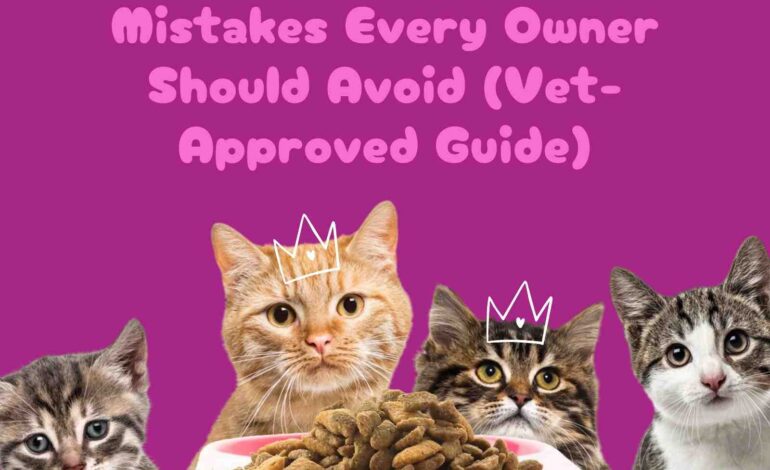
20 Common Cat Feeding Mistakes Every Owner Should Avoid (Vet-Approved Guide)
Feeding your cat might feel simple, but small daily habits can quietly shape their long-term health. This vet-informed guide breaks down 20 common feeding mistakes many owners don’t even realize they’re making, from free feeding and poor portion control to hidden nutritional gaps and unsafe foods. It also offers clear, practical fixes you can start today to improve your cat’s hydration, digestion, and overall wellbeing. Whether you’re a new pet parent or have years of experience, this is a must-read to help your cat live a healthier, happier life, one bowl at a time.
Every time a food bowl gets filled, a health decision is being made. Most cat owners genuinely love their pets and still make feeding mistakes daily without realizing it. These habits look harmless at the moment. Over months and years, they become the difference between a thriving cat and one managing chronic health problems.
Cats cannot produce taurine on their own, without enough of it in their diet, they develop heart disease and vision loss. Chronic dehydration from dry-food-only diets is a leading cause of feline lower urinary tract disease. Irregular feeding schedules raise cortisol levels and create genuine anxiety. And obesity, fueled almost entirely by free feeding, links directly to diabetes, liver disease, and joint pain.
Here are the 20 most common cat feeding mistakes and the straightforward fixes that actually work.
Prefer watching over reading? Click here to watch the full video and see exactly what to do.
The Feeding Mistakes That Quietly Cause the Most Harm
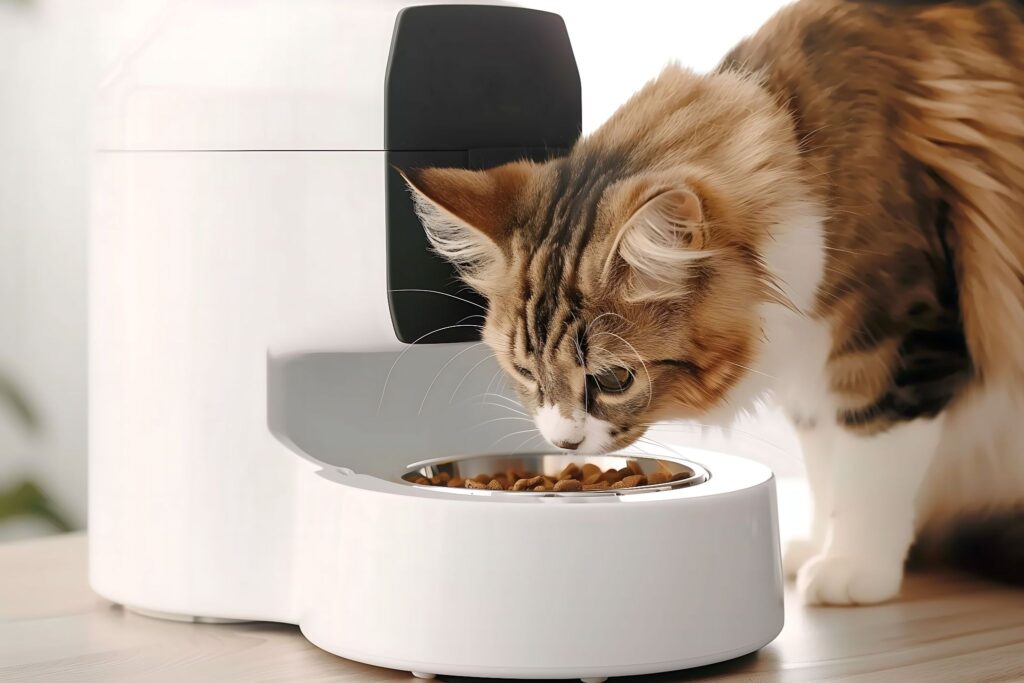
Mistake 1: Free Feeding All Day
Leaving dry food out all day is the single most widespread cat feeding mistake. Indoor cats lack the exercise of hunting, so constant food access leads directly to overeating. Cats eat because the food is there, not because they are hungry. Fats in kibble also oxidize when exposed to air, destroying nutrients and producing stale smells cats detect long before humans notice. When cats refuse stale food and fast instead, the risk of hepatic lipidosis, a serious liver condition, rises quickly. The fix: two to three scheduled meals daily, starting with slightly less than the amount listed on the packaging and adjusting from there.
Mistake 2: Feeding Only Dry Food
Cats evolved as desert animals who got most of their water from prey. Their thirst drive is naturally low. Dry kibble contains only about 10% water while wet food contains 75% to 80%. A dry-food-only diet creates chronic mild dehydration that puts steady pressure on the kidneys and urinary tract, a leading cause of FLUTD, painful urinary crystals, and life-threatening blockages. The fix: incorporate wet food into the daily routine, change water daily, and consider a water fountain since many cats drink significantly more from moving water.
Mistake 3: Estimating Portion Sizes
Most owners eyeball portions. Even small daily excesses add up to significant weight gain over weeks. Obesity raises the risk of diabetes, joint pain, and liver disease, all conditions that are far harder to manage than they are to prevent. The fix: use a measuring cup or kitchen scale for every meal. Always feed in the bowl, never elsewhere. Ask the vet for a specific daily target based on the cat’s current weight and health status.
Mistake 4: Irregular Feeding Schedules
Cats have highly precise internal clocks. When meal timing is unpredictable, cortisol rises and genuine food anxiety follows. This shows up as constant begging, midnight wake-up calls, and sometimes aggression. Cats do not adjust for weekend lie-ins or late nights. A consistent schedule signals environmental safety and builds trust. The fix: set two to three fixed meal times and hold them seven days a week without exception.
Nutritional Blind Spots Most Owners Have
Mistake 5: Ignoring Taurine
Cats cannot synthesize taurine on their own. Deficiency develops slowly with no obvious early symptoms, then causes heart disease, weakened vision, and immune dysfunction. Always choose cat food that clearly lists taurine in its nutritional content.
Mistake 6: Too Much Tuna
Most cats find tuna irresistible, which is precisely why it becomes a problem. Feeding it frequently creates nutritional imbalance and trains cats to refuse healthier food. Tuna is an occasional treat only, never a primary protein source.
Mistake 7: Low Quality Cat Food
Cheaper cat foods rely on fillers rather than animal-based protein. Cats are obligate carnivores, real meat should be listed first on every ingredient label. Always look for the AAFCO nutritional adequacy statement on the packaging before buying.
Mistake 8: One Meal Per Day
Cats naturally prefer multiple small meals. One large daily meal causes rapid eating, prolonged hunger, and digestive stress. Dividing the daily amount into two to three meals mimics natural hunting behavior and supports healthy digestion.
Mistake 9: Ignoring Life-Stage Nutrition
Kittens, adults, and senior cats have fundamentally different nutritional requirements. Senior cats specifically need food that is easier to digest and supports joints, muscles, and organ function. Review the cat’s food at every annual vet visit and adjust accordingly.
Mistake 10: Feeding Dog Food to the Cat
In multi-pet households this happens more easily than most owners expect. Dog food does not contain adequate taurine for cats. Over time this leads to deficiencies affecting heart health and overall condition. Separate feeding stations in different areas of the home solve this entirely.
Food Safety Mistakes That Put Cats at Real Risk
Mistake 11: Feeding Toxic Human Foods
Onions, garlic, chocolate, grapes, raisins, alcohol, and anything containing xylitol are dangerous to cats even in small amounts. Cats have a fundamentally different digestive system from humans. The assumption that a tiny piece causes no harm is one of the most dangerous beliefs in cat ownership. When in doubt, skip it entirely.
Mistake 12: Feeding Cooked Bones
Cooked bones become brittle and splinter into sharp fragments that injure the mouth, throat, and digestive tract. In serious cases this requires emergency treatment. Avoid cooked bones completely. If raw bones are being considered, consult a vet before offering them.
Mistake 13: Serving Cold Food From the Refrigerator
Cats prefer food at or near body temperature. Cold food has significantly less aroma, and smell drives a cat’s appetite more than taste does. Letting refrigerated wet food sit for a few minutes before serving, or warming it slightly, makes a real difference in whether the cat eats willingly.
Mistake 14: Dirty Food Bowls
Wet food residue builds bacteria quickly. Cats with sensitive systems refuse bowls that smell of old food even when the bowl looks clean. Wash food bowls daily with hot water and dish soap. Replacing plastic bowls with stainless steel or ceramic, plastic develops micro-scratches that harbor bacteria over time.
Feeding Habits That Create Stress and Behavioral Problems
Mistake 15: Communal Feeding in Multi-Cat Homes
Shared bowls make individual nutrition impossible. A dominant cat often guards the bowl using a stare or body posture rather than physical aggression, shy cats become food-insecure and anxious. Some cats eat dangerously fast to avoid being displaced, then vomit, creating a cycle that damages both digestion and mental health. The fix: individual bowls in separate rooms, all cats fed simultaneously.
Mistake 16: Too Many Treats
Treats are a genuine bonding tool but too many cause weight gain and train cats to hold out for something better than their regular food. Treats should make up no more than 10% of daily caloric intake. Use small pieces and factor them into the daily total.
Mistake 17: Switching Food Too Quickly
Sudden dietary changes cause vomiting, diarrhea, and appetite loss. Cats with sensitive systems can develop pancreatitis from abrupt food switches, a potentially fatal condition. Transition over 7 to 10 days by gradually increasing the ratio of new food to old food and watch for any digestive reaction throughout the process.
Mistake 18: Withholding Food to Force Eating
Some owners skip meals hoping a hungry cat will eventually eat. This is genuinely dangerous. Cats are not designed to fast for extended periods. Prolonged food refusal leads to hepatic lipidosis. If a cat refuses food for more than 24 hours, the right response is a vet call, not waiting longer.
Mistake 19: Ignoring Food Allergies
Persistent scratching, frequent vomiting, and chronic digestive issues are often diet-related. Many owners treat the symptoms without investigating the cause. If symptoms are recurring, discuss an elimination diet trial with the vet. Changing the primary protein source often resolves the issue completely.
Mistake 20: Cats Eating Too Fast With No Intervention
Fast eating causes swallowed air, improper chewing, and vomiting shortly after the meal. In multi-cat homes it is usually driven by competition anxiety. A slow feeder bowl or puzzle feeder physically slows the pace. Dividing meals into smaller portions helps too. Addressing the underlying competition through separate feeding stations solves both the speed and the anxiety causing it.
How to Feed a Cat Properly: The Four Foundations
Getting cat feeding right comes down to four things applied consistently.
- Individual portions mean every cat gets their own bowl, their own food, and their own designated space. In multi-cat homes this is not optional.
- Scheduled meals replace open bowls with two to three timed feedings daily. This mimics natural hunting behavior, prevents overeating, and makes appetite monitoring genuinely possible.
- Monitored hydration means wet food daily, fresh water always available, and bowls placed in multiple comfortable locations throughout the home.
- Appetite tracking turns a daily routine into an early illness detection system. A drop in how much a cat eats is almost always the first sign something is medically wrong, and catching it early changes outcomes dramatically.
Better Feeding Starts With Knowing What to Stop
Most feeding mistakes come from habit and convenience, not neglect. The fixes are almost always simple. Every meal is a health decision, making it a deliberate one rather than a reflex changes the trajectory of a cat’s long-term wellbeing in ways that compound quietly over time.
Bookmark this guide, share it with fellow cat owners, and explore more cat nutrition and health guidance at Meow Care Hub.
Frequently Asked Questions About Cat Feeding
The exact amount depends on age, weight, health, and the type of food. Use the packaging as a starting point, but measure portions carefully. Adjust based on body condition, and consult a vet for precise guidance.
Two to three fixed meals per day at consistent times work best. This supports natural eating patterns, prevents overeating, and makes it easier to track appetite changes.
Free feeding is not recommended. It can lead to weight gain, reduced food quality over time, and makes it difficult to monitor how much the cat is actually eating.
Feed each cat in separate areas at the same time. This prevents competition, ensures the right diet reaches the right cat, and helps monitor individual intake.
Use slow feeder bowls or puzzle feeders to reduce speed. Splitting meals into smaller portions and feeding separately in multi-cat homes can also help manage this issue effectively.
This article is intended for informational purposes only. Always consult a licensed veterinarian for dietary advice specific to your cat.