Freeze-Dried vs. Crunchy vs. Lickable Cat Treats: Which Is Best?
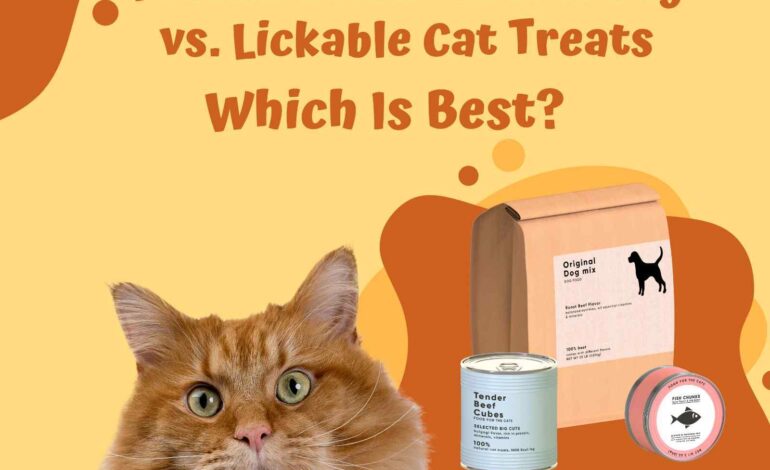
Hey cat folks, did you know US cat owners drop over $1.5 billion yearly on treats alone, with freeze-dried sales spiking 25% last year as folks chase premium snacks? From picky kittens to dental-challenged seniors, every type has been tested and evaluated with input from veterinarians to keep things healthy. This guide breaks down types of cat treats like freeze dried cat treats, crunchy cat treats, and lickables, pulling from AVMA nutrition basics so you can pick winners without the guesswork.
What Makes a Healthy Treat for Cats?
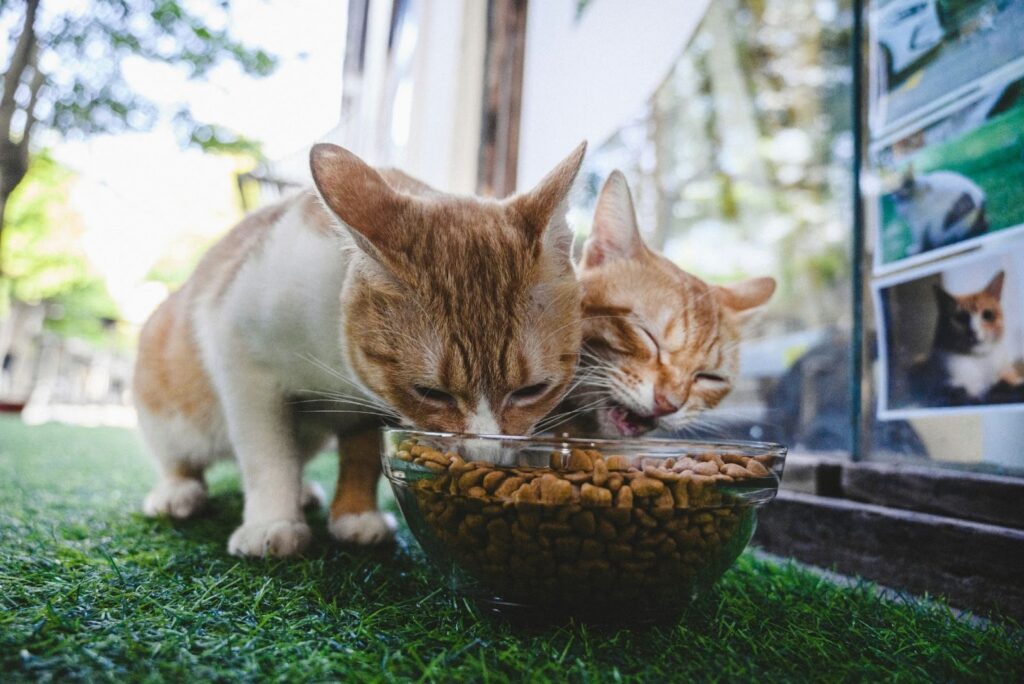
Treats ought to complement nutrition rather than substitute for it. Veterinary nutrition experts usually advise that treats make up more than 10% of a cat’s daily calories to prevent excessive weight gain. The best treatments focus on animal-derived protein, amino acids such as taurine and contain few fillers.
Texture matters too. Dental health, hydration needs, and age all play a role in choosing the right treat format. Cats with sensitive teeth, for example, often thrive on softer textures, while others benefit from occasional crunch for oral stimulation.
Breaking Down the Main Types of Cat Treats
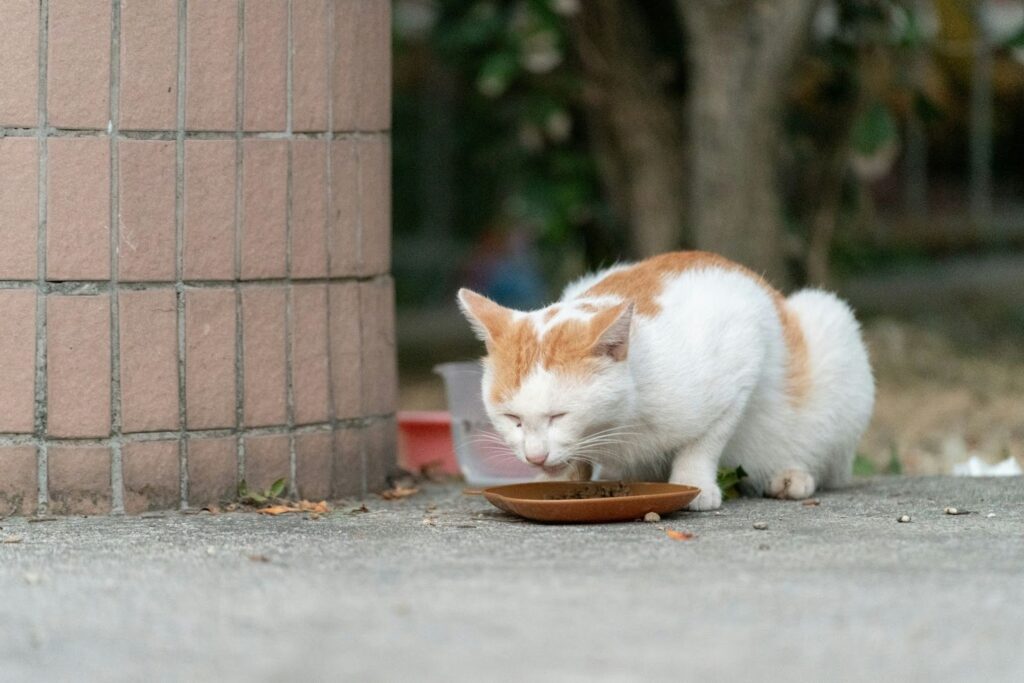
- Freeze-dried cat treats are produced by extracting moisture from meat using a low-heat vacuum technique. This method retains protein and natural nutrients while using minimal, to no additives. These snacks typically consist of an ingredient and have a highly appealing taste.
- Crunchy cat snacks are either baked or extruded to achieve a consistency. Numerous options are low in calories, per serving. Can provide slight dental advantages by aiding in the reduction of plaque buildup while chewing.
- Lickable cat treats come in soft purées or gels, usually packaged in tubes or pouches. Their high moisture content makes them appealing to picky eaters, senior cats, and those needing medication support, though ingredient quality varies widely by brand.
Quick Comparison
| Treat Type | Typical Protein Range | Calories | Best For | Key Watch-Out |
| Freeze-Dried | 80–95% | 1–3 per piece | High-reward, allergies, protein boost | Higher cost |
| Crunchy | 30–40% | 1–2 per piece | Training, dental support | Not ideal for dental issues |
| Lickable | 8–12% | 5–10 per serving | Seniors, meds, hydration | Added carbs in some formulas |
Freeze-Dried vs. Crunchy Cat Treats
When evaluating freeze-dried versus cat snacks the choice hinges on nutrition versus purpose. Freeze-dried snacks excel in ingredient purity and elevated protein content making them perfect for cats with sensitivities or those requiring limited-ingredient options. Crunchy snacks are more cost-effective and suitable for training sessions or mild dental care when the cat’s teeth are in good condition.
Many veterinarians suggest rotating treat types to balance nutrition, enrichment, and oral health.
Freeze-Dried vs. Lickable Cat Treats
The discussion about freeze-dried versus cat treats usually focuses on moisture content and feeding simplicity. Freeze-dried treats provide animal protein and boast an extended shelf life. Conversely lickable treats supply. Are particularly handy, for older cats or pets recuperating from sickness.
Lickables can be helpful tools but should be chosen carefully, as some contain added starches or sugars that don’t align with feline nutritional needs.
Smart Tips and Treat No-Nos
Portion control is key. Even healthy treats can contribute to obesity if overused. Avoid human foods, chocolate, xylitol, and heavily processed snacks. Always introduce new treats gradually and monitor for digestive upset or allergic reactions.
Using treats during play or training sessions helps burn calories and adds mental enrichment rather than passive snacking.
When to Avoid Certain Treat Types
- Freeze-dried treats: These are fantastic for most healthy cats, but if your cat has advanced kidney disease, it’s best to pause and check with your vet first. Because freeze-dried treats are very protein-dense and concentrated, they may not always fit into a renal-friendly diet.
- Crunchy treats: Crunch is great, unless chewing hurts. Cats with advanced dental disease, loose teeth, or sore gums often struggle with hard treats, and pushing them can lead to pain or food aversion. In these cases, softer options are usually the kinder choice.
- Lickable treats: Lickables can be incredibly helpful, especially for seniors or medicating cats, but they’re not meant to be an everyday free-for-all. If the ingredient list leans heavily on starches or thickeners, daily use can quietly add empty calories that don’t support long-term health.
Conclusion
There’s no single “best” cat treat, only the best choice for a specific cat’s age, health, and lifestyle. Freeze-dried treats excel in nutrition, crunchy treats add enrichment and convenience, and lickables offer hydration and flexibility when used wisely. Aligning treat choices with veterinary nutrition standards helps support long-term health while keeping treat time fun.
👉 For more vet-reviewed cat nutrition guides and treat recommendations, visit Meow Care Hub.
FAQs
Are freeze-dried cat treats worth the price?
They are more expensive upfront, but their high protein density means smaller portions go a long way.
Which is better: freeze-dried or crunchy treats?
Freeze-dried treats offer superior nutrition, while crunchy treats can support dental health in cats with healthy teeth.
Are lickable treats safe for daily use?
They can be used regularly in small amounts if ingredients are clean and calories are accounted for.
Which treat type works best for senior cats?
Lickable and soft freeze-dried treats are often easiest for seniors with dental sensitivity.
Vet Review & Trust Cue
Content fact-checked against AAFCO feline nutrition standards and AVMA companion animal feeding guidance.
Vet Reviewed by: Dr. Emily Carter, DVM – Companion Animal Practice, USA
Medical Disclaimer
This content is for informational purposes only and does not replace professional veterinary advice. Always consult a licensed veterinarian for personalized dietary recommendations.