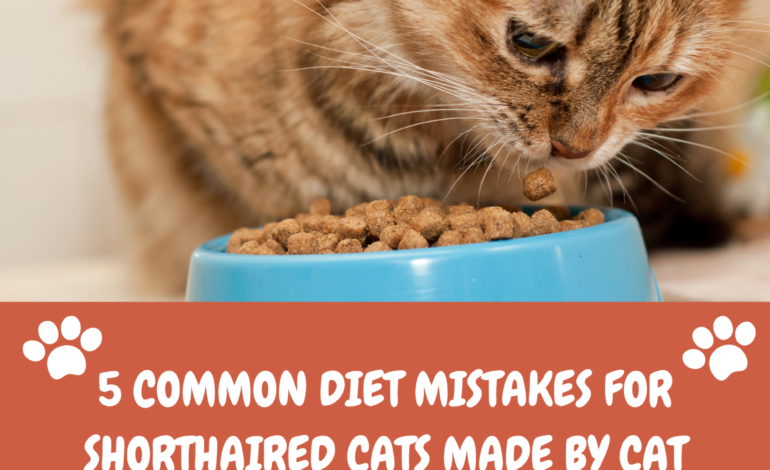
5 Common Diet Mistakes for Shorthaired Cats Made by Cat Parents and How to Avoid Them
Think Feeding a Shorthaired Cat Is Easy? Think Again.
Of course they may require minimal grooming efforts, but as far as food is concerned, shorthaired cats cannot live off any kibble in a bowl. What is behind such a cute meow might range between overfeeding, poor hydration and underlying deficiencies. Simple things that even the most doting cat parents can do are enough to bring long-term consequences on the health of the cat. So, whether you are committed to giving your smooth friend the best diet, read on to find out how to put together the purr-fect diet to feed shorthaired cats.
Mistake 1: Overfeeding Shorthaired Cats

The Problem: Shorthaired cats—especially the indoor couch potatoes—don’t burn calories as fast as you’d guess. Their shiny fur hides the pudge, so you might not notice the extra ounces until it’s a few pounds.
The Impact: Giving them too many treats and tablespoons of kibble can pack on weight fast. That can lead to diabetes, sore joints, and a whole bunch of other problems that can slow them down and make life less fun.
The Fix: Stick to the food portions the vet recommends. Measure every scoop, check the weight and age chart on the bag, and don’t leave the bowl out all the time so they can munch whenever they want.
Feeding Guide for Indoor Shorthaired Cats
| Cat Weight | Calories/Day | Meals/Day |
| 8 lbs | 200–220 | 2–3 meals |
| 10 lbs | 230–250 | 2–3 meals |
| 12 lbs | 260–280 | 3 meals |
Mistake 2: Feeding Only Dry Food
The Problem: Convenient, but when it’s dry-only this way. A dry kibble diet can, however, leave your shorthaired cat in one essential area — hydration. Cats are low-thirst animals by instinct, and if they aren’t getting enough moisture in their food, urinary tract issues and kidney stress are common.
The Fix: Balance is key. Incorporate wet food into their regular meals, or try water-packed toppers to increase hydration. Hose attachment is easy, and this simple conversion gives your cat access to constant hydration, aids digestion and overall health, particularly important for indoor cats who don’t drink enough water on their own.
Wet vs. Dry Food for Shorthaired Cats:
| Type | Pros | Cons |
| Wet Food | Hydration, better digestion, palatable | Short shelf life, more expensive |
| Dry Food | Convenient, supports dental health | Low moisture, may promote overeating |
| Mixed Diet | Balanced approach | Requires portion control |
Mistake 3: Ignoring Breed-Specific Needs

The Problem: All cats are not created equal — neither are their coats or digestive health. Many cat parents fail to consider that short-haired cats even need to be fed based on the needs of their body, which are greatly influenced by their breed, age, and lifestyle.
The Fix: Look for food formulas that help maintain a healthy coat with Omega-3 and Omega-6 fatty acids and promote digestive support through balanced fiber. Although shorthaired cats do not have high grooming needs it is the diet that provides that glossy coat and a healthy gut. Always consider your cat’s age, activity level and sensitivities when you choose a food.
Shorthaired Breeds That May Need Extra Dietary Attention
British Shorthair
Calm and affectionate, the breed is predisposed to weight gain. You’ll want them to maintain their healthy physiques so be sure to feed the cat a calorie-cost diet and control their portions.
American Shorthair
Mostly indoor lifestyle. They do benefit from high quality protein and balanced portions as they tend to be less active and prevent obesity.
Siamese
Having fast metabolism and fine bone structure, Siamese cats are doing best on a protein rich diet that fits their athletic, and talkative lifestyle.
Russian Blue
Notorious for their plush coat and tenuous digestion, they enjoy a diet that is simple to digest, little-ingredient, and easy on the tum.
Mistake 4: Inconsistent Feeding Schedules

The Problem: It may look like nothing terrible to skip meals or feed your cat at random times, however, this may result as a stress factor, indigestion, and even behaviour-based problems. Just as people, cats love routine-and a regular feeding routine makes them feel secure and stable.
The Fix: Have regular meal times daily. Regular meals not only assist the digestive system and metabolism but also allow eliminating such issues as begging, overfeeding, and other food-related anxiety. In case your shorthaired cat appears agitated or does not want to eat, the problem might be an irregular feeding schedule.
Mistake 5: Not Consulting a Veterinarian

The Problem: Changing brands of cat food at the advice of a friend or trying new popular home-cooked diets may not seem like such a big deal, yet it can cause digestive upsets, nutritional imbalances, or chronic problems with health. Most pet parents do not realize how much a cat nutritional requirement can change by age or activity level or medical condition.
The Fix: Beware, no big alterations should be made in your cat diet without consulting your vet. Nutrition check-up should be made each year, although twice per year visit is recommended when your shorthaired cat is newly at a stage in life (kittenhood, adulthood, or in its old age), has experienced weight gain or loss, or has experienced food sensitivities. Diet could be tailored to your individual cat through your vet and this will put your mind at rest and your cat to lead a healthier and happier life.
Common Feeding Mistakes vs. Best Practices
| Mistake | Impact | Corrective Action |
| Overfeeding | Obesity, lethargy, joint stress | Use a measuring cup, feed by weight not volume, and monitor BCS (Body Condition) |
| Feeding only dry food | Dehydration, UTI | Add wet food to meals or include broths and fountains |
| Ignoring breed/coat-specific needs | Dull coat, digestive issues | Choose food rich in omega oils and fiber |
| Inconsistent feeding times | Stress, irregular bowel movements | Feed at the same time daily |
| Skipping vet consultation for diet planning | Missed allergies or intolerances | Get vet-approved diets based on lifestyle, breed, and health status |
Best Food Brands for Shorthaired Cats
| Brand | Product | Why It’s Great for Shorthaired Cats |
| Hill’s Science Diet | Adult Indoor Chicken Recipe | Tailored for indoor cats with controlled calories and natural fiber for digestion |
| Royal Canin Indoor Adult | Indoor Adult Formula | Supports coat health and reduces stool odor; optimized for less active indoor cats |
| Purina Pro Plan LiveClear | Sensitive Skin & Stomach | Great for shorthaired cats prone to sensitivities; helps reduce allergens in hair |
| Wellness CORE | Grain-Free Indoor Formula | High protein, grain-free, includes omega fatty acids for coat shine |
| Blue Buffalo Tastefuls | Indoor Hairball Control | Includes fiber to manage hairballs and support digestion |
| Tiki Cat After Dark | Chicken & Quail Egg Recipe | High moisture, protein-rich with organ meats for carnivore-true diets |
| Open Farm Harvest Chicken | Freeze-Dried Raw Mix | Gently freeze-dried raw nutrition with traceable ingredients |
Final Thoughts
Feeding your shorthaired cat correctly isn’t just about putting food in the bowl. It’s about feeding their health, happiness, and that silky coat they’re known for. It is possible to help your cat thrive, at every life stage, by avoiding common feeding mistakes, such as overfeeding your cat, neglecting hydration, or overlooking your cat’s coat requirements.
For more ways to promote a happy, healthy cat through nutrition, cat food reviews and more personalized nutrition recommendations, head to Meow Care Hub and explore your guide to keeping cats happy and healthy both inside and out.
FAQs: Shorthaired Cat Nutrition
1. What’s the best diet plan for a shorthaired cat?
A balanced mix of high-quality protein, essential fatty acids for coat health, and moderate fat is ideal. Include wet food for hydration and fiber to support digestion.
2. How can I avoid overfeeding my shorthaired cat?
Use a food scale or measuring cup, follow feeding instructions on the label, and monitor weight regularly. Avoid excessive treats and table scraps.
3. Are shorthaired cats less prone to hairball issues?
Yes, but that doesn’t mean hairballs are non-existent. A fiber-rich diet still helps minimize occasional hairballs and supports GI health.
4. Can shorthaired cats eat the same food as longhaired breeds?
In most cases, yes. However, shorthaired cats often don’t need the extra hairball control formulas, and a lighter calorie count may be beneficial.
5. Should I consult a vet before switching foods?
Absolutely. Sudden food changes can lead to digestive upset. A vet can help you choose the best formula and transition plan based on your cat’s individual needs.