Ultimate Guide to Groom a Long-Haired Cats at Home
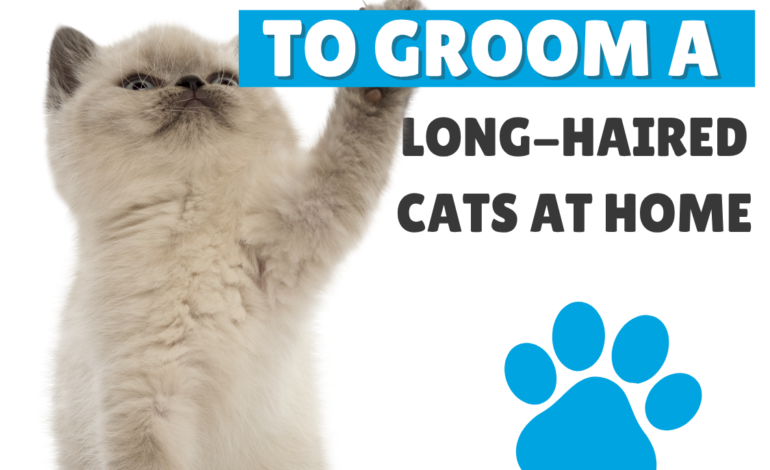
Fluffy, fabulous, and a little high-maintenance—long-haired cats like Persians, Maine Coons, and Ragdolls are absolute showstoppers. But with all that gorgeous fur comes a little extra responsibility.
Regular grooming isn’t just about keeping them Instagram-ready—it’s key to their comfort, health, and happiness. Mats, tangles, and excess shedding? No thanks.
In this guide, we will be going through everything you need to know to groom your long-haired cat like a pro — from the tools to the techniques to keep both you and your cat stress-free. If you have just adopted your first cat, or are looking to up your grooming game, you have come to the right place. Let’s get brushing!
Why Grooming Your Long-Haired Cat Matters

Your long-haired cat may carry herself like royalty-and, honestly, she deserves that kind of treatment. Yet under all that glamorous fluff lies a coat that requires steady upkeep. Skip the brush and knots will form, her comfort will dip, and bigger health problems can creep in. Here’s a quick look at why regular grooming matters:
- Say Goodbye to Mats and Tangles
Matting can easily develop in long fur, especially in the armpits, belly, and behind the ears. Regular brushing is how you keep that coat smooth, soft and pain-free. - Spot Health Issues Early
Grooming is an ideal time to check for lumps, bumps, fleas or skin irritations that you might not notice otherwise miss. - Build a Stronger Bond
You can think of grooming as a brief spa visit for your cat. The gentle, comforting procedure calms your pet and increases trust between the two of you. - Reduce Hairballs
When you brush her coat and remove loose fur, you reduce the clumps of hair your cat later coughs up. It may seem like a simple act, but it reduces the amount of hair she will consume while grooming herself.
Essential Grooming Tools for Long-Haired Cats
To groom your long-haired cat effectively, having the right tools is crucial. Here are the key tools you’ll need:
| Tool | Purpose |
| Slicker Brush | Removes loose fur and prevents matting. |
| Wide-tooth Comb | Untangles knots and mats. |
| Mat Splitter | Helps to gently break apart severe mats without causing discomfort. |
| Fine-tooth Comb | Removes any remaining loose fur and helps distribute natural oils for a shiny coat. |
| Grooming Gloves | Provides a gentle brushing experience, effective for removing loose fur and massaging your cat. |
| Clippers or Scissors | Used for trimming fur around sensitive areas, such as paws and sanitary regions. |
| Flea Comb | Useful for removing fleas, ticks, and small mats. |
| Cat Nail Clippers | Ensures safe nail trimming to prevent overgrowth. |
Step-by-Step Guide to Grooming Long-Haired Cats at Home

Grooming your long-haired cat doesn’t have to be harrowing—for either of you. It has everything to do with having the right tools and a little patience and it can also be a relaxing part of your routine. Here’s how you can do it, step by step:
Step 1. Start with a Wide-Tooth Brush
Start by combing your feline’s coat with a wide-toothed comb your cat’s fur using a comb. This works to unravel mild knots and pull away hair. Be sure to give special attention to spots where the hair is longest — along the back, the belly and in the underarms. Be particularly gentle around sensitive areas like the belly and tail.
Step 2. Tackle Mats and Knots Carefully
If you feel a mat, don’t pull or tug.) Gentle comb them out with a matt splitter or fine-toothed comb. For really tough patches of matted coat, you may have to resort to clippers, but approach these areas with the utmost caution so you don’t nick the skin. If a mat is particularly close to the skin, you might consider consulting with a groomer or vet.
Step 3. Smooth Things Out with a Fine-Tooth Comb
When you’ve removed the larger tangles, comb a fine-toothed comb through your cat’s coat. This will help keep your dog’s coat soft and shiny and also help spread natural oils.
Step 4. Finish with a Grooming Glove or Soft Brush
End the session with a grooming glove or a gentle-bristle brush. This last step “picks up” loose hairs and “massages” your cat’s coat–many cats enjoy this part quite a bit!
Step 5. Optional: Give Them a Bath When Needed
Bathing is not typically necessary with frequency, but sometimes it can do the trick—especially if your cat has gotten into something grimy and is a prodigious shedder. You should wash with a cat-safe shampoo, rinse well, and towel dry. If your cat will put up with it, you can speed drying up with a hair dryer on low, cool setting.
Common Grooming Mistakes to Avoid

Even with the best intentions, you may inadvertently make a few mistakes while grooming your long-haired cat. Here are some of the most frequent problems — and how to fix them:
- Being Too Rough with Tangles
Never pull or tug at knots. Not only is it painful to your cat but it can also tear your cat’s skin. Work mats slowly and gently, with the correct tools. - Bathing Too Often
Cats, being fastidious as you know, need to be bathed infrequently. Too much washing can dry up their skin and remove all the essential oils causing dry skin, irritation and a dull coat. - Using Human Grooming Products
Shampoos and brushes designed for humans can be too abrasive for kittens. You should always opt for cat-specific products which are formulated to be kind to your cat’s skin and hair. - Skipping Regular Brushing
Once mats develop, grooming becomes more difficult for you and your cat. Regular brushing — a few times a week is good for most — removes tangles and keeps their long fur in peak condition. - Ignoring the Signs of Stress
Give it a break if your cat seems agitated or frightened. Each grooming session may be more difficult if you force grooming. Keep it easy, fun and rewarding.
Tips for Grooming Cats That Don’t Love Grooming

Not all cats enjoy being groomed — and that’s all right. With a little patience and the right method, even the most determined fluffball can learn to tolerate (and maybe even love) grooming. You can improve your scores with a few tips:
Start Slow and Keep It Positive
Start with small, soft touches only. Concentrate on places where your cat likes to be petted, such as the back or under the chin. As your cat becomes more comfortable, slowly increase the time.
Turn Grooming into a Rewarding Experience
Reward with treats, praise or a soft stroke while working on grooming, and afterward. Positive reinforcement will help your cat connect grooming with good things.
Pick the Right Moment
Timing matters. Attempt to groom your cat at a time when they naturally chill out – say after they’ve had a meal or in that small window in between naps. Don’t force it when they are frisky, playful or anxious.
Use Cat-Friendly Tools
Choose soft brushes or grooming gloves that are more like petting than brushing. There are a few cats who tolerate these gentle apparatuses.
Stay Calm and Patient
Your cat can sense your mood. Speak quietly and make gentle motions Keep a gentle and quiet tone. Stop and try again later if things are too stressful consistently and kindness go a long way.
Conclusion
Maintaining your long-haired cat’s grooming at home isn’t just about looking good; it’s a huge part of overall health and well-being. In the right light, with the right tools, some patience, and a gentle hand, you can keep their coat clean and healthy, without a mat in sight.
By working through this guide, not only will you be aiding your cat in feeling less anxious, you’ll also be building (or strengthening) the relationship you share. Grooming can be a quiet, comforting habit that makes both of you happy.
Dying for more grooming tips, product recommendations and expert resources? Stop by Meow Care Hub, your one stop guide to feline care.
Frequently Asked Questions (FAQs)
Q: How to groom long-haired cats without causing discomfort?
A: Use gentle strokes, start with a wide-tooth comb, and avoid tugging on mats. Always ensure the grooming session is calm and comfortable for your cat.
Q: What is the best way to brush a long-haired cat?
A: The best way to brush a long-haired cat is by using a wide-tooth comb to gently detangle, followed by a fine-tooth comb to remove loose hair, and finish with a grooming glove or soft brush.
Q: What are the best ways to groom a long-haired cat at home?
A: The best ways include using appropriate grooming tools like slicker brushes, mat splitters, and grooming gloves. Be patient and consistent, and try to groom your cat regularly to prevent mats and tangles.
Q: How often should I groom my long-haired cat?
A: Long-haired cats should be groomed daily or at least 3-4 times a week to prevent matting, reduce shedding, and maintain a healthy coat.
Q: Can I bathe my long-haired cat to help with grooming?
A: Bathing your long-haired cat can help with excessive shedding or mats, but it should not be done too often. Use a cat-friendly shampoo and rinse thoroughly.