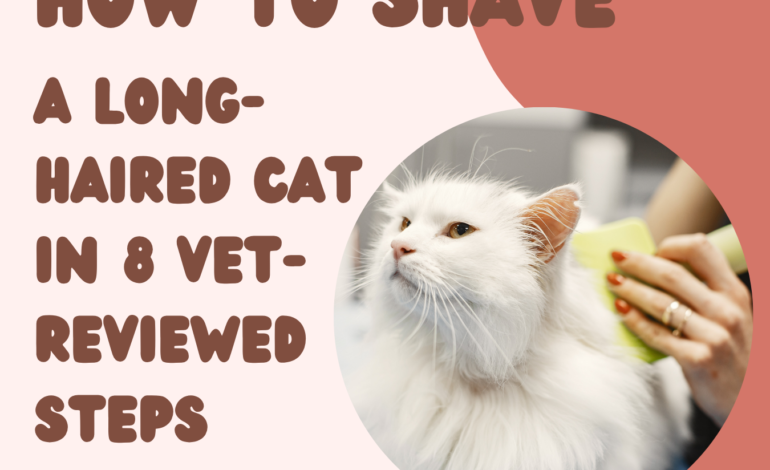
How to Shave a Long-Haired Cat in 8 Vet-Reviewed Steps
Shaving a long-haired cat is not something that’s part of a typical grooming regimen, but it might become necessary from time to time — for heavy matting, excessive shedding, or simply to make sure your cat remains comfortable in hot weather. Shaving may seem daunting, but when done correctly, you can do it safely at home. In this thorough veterinarian approved guide, we’ll take you through the 8 critical steps of shaving your long-haired cat with as little stress as possible. Read on to see how you can make the process safe and enjoyable for your four-legged companion!
Why Should You Shave Your Long-Haired Cat?

Shaving your long-haired kitty is not only for looks- it can also provide important benefits for their health and comfort:
- Prevent Matting and Tangles: Long fur is prone to mats that can be uncomfortable and painful! Shaving helps maintain your cat’s comfort by taking off tough tangles.
- Reduce Shedding and Hairballs: Removing excess fur will decrease shedding in your home and eliminate a lot of the hair your cat eats while grooming, thus reducing the risk of hairballs.
- Easier to Spot Health Issues: A shaved coat is an easy way to find fleas, skin infections, or other problems early.
- Comfort in Extreme Heat: Shaving can help senior or overweight cats regulate body temperature to keep them cool during the hottest days.
When grooming just isn’t enough, shaving is a practical solution for allowing your cat to feel comfortable, and healthy.
When Should You Shave Your Long-Haired Cat?

Shaving your cat should only be done when absolutely necessary. Shaving should be considered for matting that is:
- Severe Matting: When mats become so tight or extensive that brushing is of no comfort or use.
- Health Issues: Pet parents with cats that have arthritis, obesity, or other medical conditions that may prohibit their self-grooming may consider shaving.
- Excessive Shedding: For excessive shedding and lots of hairballs, shave the cat to control loose fur.
- Hygiene Concerns: Older cats, or any obese/lazy cats, often needs to be shaved around the belly or rear so as to keep themselves clean.
And of course, talk to your vet any time you’re not sure that shaving is the right choice for your cat’s individual needs.
Step 1: Assess Your Cat’s Coat
Before you dig the clippers out of the drawer, see your cat’s coat. If the fur is mostly just puffed up, with just some light tangling, or if it’s mostly matting just starting to form, you may not need much more than regular brushing to work the coat back into a smooth, healthy state. But when mats are thick, dense or painful, shaving is safer and more comfortable.
Thoroughly brush your cat before shaving—doing so will remove loose fur and separate any small mats in the fur, making the shaving process easier and reducing the chances of the hair getting snagged or pulled with the clippers.
Step 2: Prepare Your Tools
Here’s a list of equipment you’ll need to safely shave your long-haired cat:
| Equipment | Purpose |
| Pet Clippers | Essential for safely shaving your cat without injury. |
| Comb or Brush | Helps smooth the coat and remove any tangles before shaving. |
| Nail Clippers | Trim your cat’s nails to avoid scratching during the shave. |
| Leash or Harness | Helps secure your cat and prevent sudden movements. |
| Towels | For cleanup after the shave. |
| Clippers with Number 10 Blade | A recommended blade size for shaving a cat’s fur without causing harm. |
Step 3: Choose the Right Shaving Style

When shaving your longhaired cat, there are several styles to choose from depending on your cat’s needs:
- Lion’s Cut: This is most popular and involves shaving the body, while leaving longer hair on the face, legs and tail, giving your cat a ‘lion-like’ appearance.
- Problem Area Shaving: Sometimes just shaving the unwanted areas like the belly, underarms, or rear end can relieve discomfort.
- Full Body Shave: A full shave may be necessary in cases of matting, or hygiene, in addition to a complete shave may be necessary to make a substantial impact on the coat.
Choose the style that best meets your cat’s comfort and well being and always take your time.
Step 4: Slowly Introduce Your Cat to the Clippers
Most cats will, of course, be wary of clippers, you want to introduce them slowly to minimize anxiety. Begin by having your cat sniff and check out the clippers when they are off, allowing them to get a sense of this new item. Then, switch the clippers on but keep them at a little distance from your cat, so your cat becomes familiar with the buzzing noise and doesn’t feel threatened. Speak softly and quietly and stroke your cat gently while it’s all happening to keep them feeling nice and chill. Approaching these steps with patience will mean much less stress during the shaving process for your pet.
Step 5: Secure Your Cat in a Safe Location
Picking the proper place for de-furring your cat is critical to keeping the process chill and take-charge. A room that is relatively quiet and well-lit (like the floor of the bathroom or kitchen) is the best place to start—not only because it’s easy to clean up, but also because there are fewer distractions. Before you start, it’s necessary to gently secure your cat to avoid any sudden movements or escapes -— which, incidentally, can be dangerous, especially if clippers are still on hand. You could keep a leash or harness loosely tied to something sturdy and handy, then you could just gently restrain the dog without stressing it. If you’re dealing with a particularly anxious or nervous cat, having a trusted assistant to gently hold and reassure your kitty while you administer the water can be just the thing to help your cat feel comforted. This cooperation ensures that your pet will remain as calm as possible and you will be able to shave her without causing reckless cuts.
Step 6: Start Shaving with Caution

Start with a less visible, less sensitive area (belly, groin or underarms) to ensure the clippers are running smoothly and at the correct setting. And never forget about pulling your cat’s skin gently taut—it helps reduce the change of accidental nicking by allowing you to create a flat, even surface for the clippers. Glide the clipper slowly and steady along the natural flow of the hair to get an even, clean cut Shave. Be extra cautious when grooming the face, ears and tail which all have thinner and more sensitive skin. So patience and a light touch are the key to keeping your cat safe and comfortable during this process.
Step 7: Take Breaks and Keep Your Cat Calm
- Shaving can be tiring, and it is important to give your cat regular breaks to rest and relax.
- This is a good time to gently pet, or talk to them to help provide reassurance.
- Let the clippers cool during break time as they can get warm, and if you keep clipping without breaks, you may burn your cats’ skin.
- Try to keep the environment calm and quiet to help your cat with the anxiety turmoil the grooming process can cause.
Step 8: Post-Shave Care and Cleaning
- Brush Off Loose Hair: Carefully use a groomer to brush your cat’s body for the remaining clipped fur stuck to the skin and coat to try and prevent irritation and keep your cat feeling comfortable.
- Give a Soothing Bath: If your cat will allow you to give them a bath, use a mild, cat friendly shampoo to wash their coat clean of clipped fur and soothe the skin after shaving. Make sure to rinse well, and dry your cat completely to avoid chills.
- Protect from Sun Exposure: If your cat is one of them and they have very short fur, then keep them out of the sun during the hottest hours of the day if they like to be outside, or apply a pet-safe sunscreen (as recommended by your vet, and only if you have a cast with bald/short fur) to your pet to protect their skin from sunburn.
- Monitor for Skin Issues: Pay attention to any redness, irritation or signs of discomfort in the areas of the shave. Reach out to your vet if you observe anything abnormal.
- Maintain a Calm Environment: Keep comforting and reassuring your cat as they acclimate to their new coat.
Conclusion
Shaving a long haired cat may be a convenient and sometimes needed option to tackle extreme matting, excessive cat shedding, or just to keep your kitty cool during summer months. But you have to take shaving seriously and only do it when there’s a real necessity. Following these 8 vet-approved steps will ease the process for your furry friend and make the entire application efficient and stress-free. Do not forget to ask your vet in case you have any doubt or if your cat looks stressed or uncomfortable while doing it. For even more cat care information and advice stop by Meow Care Hub—your go-to resource for all ways to keep your cat healthy and content.
Frequently Asked Questions (FAQs)
Q: How to shave a long-haired cat at home?
A: Shaving a long-haired cat at home requires specialized pet clippers, patience, and care. Start with brushing the fur, introduce the clippers gradually, and ensure your cat is secured before shaving in short sessions.
Q: How often should I shave my long-haired cat?
A: Shaving should only be done when necessary, such as for severe matting or excessive shedding. It is not a regular grooming routine.
Q: Is it safe to shave a long-haired cat?
A: Yes, but only when done correctly and when necessary. Ensure you have the right equipment, work slowly, and keep your cat calm during the process.
Q: Can I use regular clippers to shave my cat?
A: It’s best to use clippers designed for pets, as they are safer and more effective for shaving cats without causing harm.