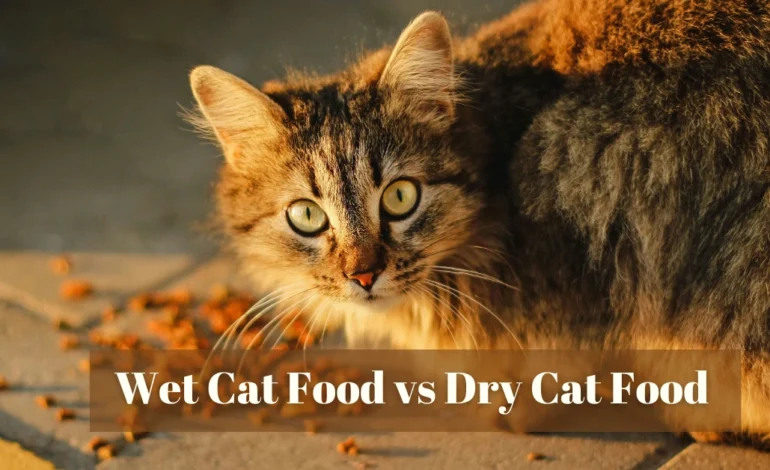
Wet Cat Food vs Dry Cat Food
As a loving cat parent, it must be one of your ultimate priorities that your feline friend gets the best nutritional fare possible. But with so many varieties available, one other dilemma many pet parents face is deciding which is better: wet or dry cat food. Each type has its own benefits, and the decision will inevitably affect your cat’s hydration level, weight management, dental health, and digestion.
Knowing the difference between wet and dry cat food, and what they offer in nourishment, will assist you in making the right decision for your cat. Do you want to solve hydration problems for your little one? Maintain proper protein levels? Find a balance between convenience and quality? This guide will offer help on topics related to this cat food debate, thereby making things easier for furry friend diets.

What is Wet Cat Food?
This is soft, moisture-rich cat food, sold in cans or pouches where 70-85% of its content is water. Moisture content caters for hydration, particularly to cats that do not drink enough water, thus preventing urinary tract and kidney problems. Wet food is softer than dry food and, therefore, makes it easier for senior cats or those with dental problems to chew. Rich smell and flavor make it very palatable to picky eaters. Wet food is quite expensive compared to dry. Once opened, it requires refrigeration and quick consumption since it has a very short shelf life. While it is undoubtedly beneficial for health, whether wet or dry cat food has to be chosen according to the cat’s health, preferences, and lifestyle needs.
What is Dry Cat Food?
Dry food usually refers to the kibble-type product for cats, with about 10-12% moisture. Practically packaged in bags or boxes, dry pet foods are affordable to buy, convenient to store, and have a relatively long shelf life when compared to wet foods.
Dry food offers the advantage in dental health due to the crunchy nature, since it minimizes the accumulation of plaque and tartar on cats’ teeth. Unfortunately, this advantage is offset by the very real fact that, because of the lack of water content, under circumstances where there is the dependence on dry food, the advent of urinary tract or kidney problems may come about as cats do not take in enough water. It’s also known to contain more carbohydrate and fillers, which is not what cats that require high protein need. While it’s a convenient solution for many cat owners, it should be accompanied by other sources of nutrition for the cat to ensure its health and well-being.
Wet Cat Food vs Dry Cat Food Comparison
| Criteria | Wet Cat Food | Dry Cat Food |
| Moisture Content | High (helps with hydration) | Low (may lead to dehydration if water intake is low) |
| Cost | More expensive | More budget-friendly |
| Shelf Life | Shorter once opened (needs refrigeration) | Long shelf life after opening |
| Ease of Feeding | Requires portion control; cannot be left out | Can be free-fed; suitable for busy schedules |
| Dental Health | Does not clean teeth; may cause tartar buildup | Helps reduce plaque through chewing action |
| Suitability for Health Conditions | Great for urinary or kidney issues due to hydration | Not suitable for hydration-related conditions |
| Protein Content | Higher animal protein content | May contain more fillers and carbohydrates |
Can You Mix Wet and Dry Cat Food?
Certainly, it offers an amazing combination of both worlds for your lil’ furball! Wet food will keep kitty well-hydrated, and dry food will either give them some dental check or make things quite convenient. With different flavors and textures, mealtime will become more interesting for your kitty, especially if they are fussy eaters who tend to get bored with a given food choice.
When you start your cat on a mixed food diet, make sure to introduce it very gradually to avoid upsetting their tummies. Start off with really tiny amounts of wet food mixed into dry food and slowly increase the ratio of wet food every day. Watch for any change in the cat’s body function, food interest, digestion, or consistency of the poop. If your usual portion isn’t working, you can adjust as needed to ensure a well-balanced diet for your cat.

Factors to Consider When Choosing Wet or Dry Cat Food
While choosing between wet and dry cat foods, various factors should be weighed to fulfill the nutritious needs of the cat adequately.
- Age and Life Stage: Kittens, adults, and senior kitties have different nutritional needs. While kittens should be fine with the wet food-the high protein content as well as the moisture-wait senior kitties might have to eat such food that provides a more manageable texture for digestion or suits other health issues.
- Health Conditions: Certain health problems, such as kidney disease or dental ailments, can determine whether your cat needs a certain type of food. Since wet food is richer in moisture, it is often recommended for cats with kidney disease. Whereas, dry food may sometimes help promote dental health.
- Lifestyle and Feeding Habits: Free-feeders adore dry food, as it does not spoil. On the other hand, if you wish to assist a cat in portioning meals, wet food would be preferable, as it allows easy sorting for serving, moreso if you have cats of different ages that are not on a dry food diet.
- Personal Preferences: Some picky eaters like dry food. They work hard on crunch before getting into mushy delights because wet-food textures and tastes are more driver’s fare while others those dried-food-fed holders are in pursuit of the purr-fect kind of juicy meats-off-sounding whole food. Always take into account your kitty’s preferences; satisfaction at mealtime matters.

Conclusion
There is no universal right or wrong in feeding either wet or dry food, but it should be according to your cat’s needs and age, preference, and health. Different foods have their minerals and vitamins; therefore, you should administer them according to his overall well-being. Discussing your cat’s precise requirements with a veterinarian will offer a personalized approach to offering a balanced diet and nutrition.
If you would like to find more treats and feeds for your furry baby, keep an eye on Meow Care Hub for some awesome tips and insights on how to keep your furry baby healthy!
FAQs: Wet Cat Food vs Dry Cat Food
- Is it better to give wet or dry food to my cat?
Each has its benefits: For instance, wet food is more beneficial to hydration and for cats suffering from health issues like kidney trouble while dry food is far more convenient and beneficial towards oral health.
- Can I mix wet and dry cat food?
Yes, by mixing the two forms, you will provide hydration, variety, and health. Make sure to introduce the mix gradually in order not to upset your cat’s stomach.
- Should my cat with urinary issues eat wet or dry food?
Wet food is ideal for such cases and has a high moisture content; thus, it further helps flush the urinary tract.
- Does dry food clean my cat’s teeth?
Dry food helps in the reduction of plaque by the normal or usual process of chewing, but it is, however, no substitute for routine dental care or even professional cleaning.
- How often should I feed wet cat food?
Wet food can be given everyday but must be properly portioned to avoid spoilage, and any leftovers should be put into the refrigerator. Consult your veterinarian for the proper treatment for feed schedules.
- What are the signs my cat isn’t drinking enough water?
Lethargy, dry gums, and concentrated urine. Wet food will help increase hydration levels.
- How do I keep dry cat food fresh for a long time?
Store pet food in airtight containers like Vittles Vault, where kibble will remain fresh and unusable for spoilage.