Why Does My Cat Suddenly Bite Me? (Love Bites or Warning Signs?)
Many cat parents know this confusing moment well.
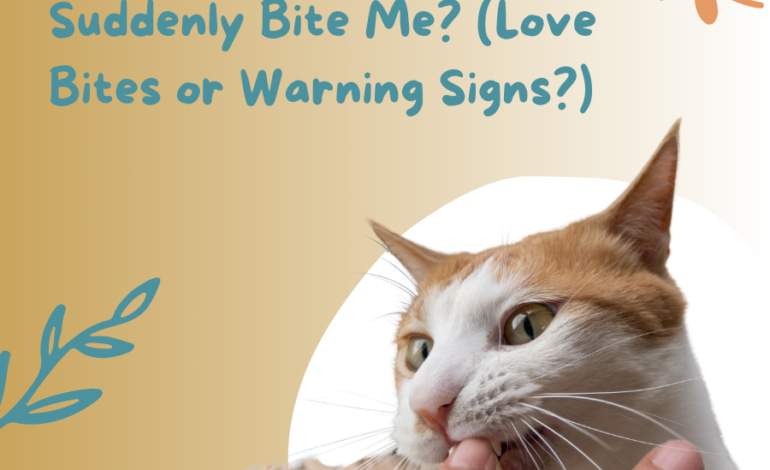
One second, a cat is purring peacefully during a petting session. Next, there’s a sudden bite.
Behavioral research shows that most human directed cat bites are not acts of aggression, but forms of communication. Petting induced biting, often related to overstimulation, is one of the most commonly reported concerns among indoor cat owners.
Understanding why these bites happen is important not only for safety, but also for preserving trust and avoiding miscommunication between humans and cats.
This guide explores the difference between love bites and warning bites, what triggers sudden biting, how to read early signals before it happens, and when biting may point to stress, pain, or underlying health concerns.
What Is a “Sudden Bite” Really?

Not random. Not revenge. Often, it’s communication.
Cats rarely bite without a reason. What seems sudden is usually a response to something in their environment or interaction. Most of these bites fall into a few common categories, such as an overstimulation response, play that escalates, attention seeking behavior, boundary setting, or a defensive reaction linked to discomfort or pain.
Cats naturally use gentle biting during social grooming with other cats. When this behavior is directed toward humans, it can feel unexpected, but it is typically a form of communication rather than aggression.
Love Bite or Warning Bite?
Not every cat bite comes with drama. Some are sweet little “hey buddy” moments… and some are very clear “please stop immediately” notices.
Love bites are the soft, controlled nips that happen when your cat is still enjoying the vibe. Think of them as tiny affection taps with teeth. They usually show up during peaceful petting sessions or quiet cuddle time. The body stays relaxed, purring often continues, and the bite itself is quick and gentle, more symbolic than serious. Sometimes it is even followed by a lick, like your cat saying, “All good, just keeping things balanced.” This comes from social grooming behavior. Cats use gentle mouth contact with other cats they trust, so when it is directed toward a human, it can signal comfort, familiarity, or a polite “that’s enough for now” without any tension behind it.
Warning bites, on the other hand, feel like the mood shifted without background music. They are firmer, faster, and rarely come out of nowhere. Usually, your cat sends quiet signals first. A flicking tail. Ears turning slightly back. Skin twitching. A relaxed body becoming tense. If those hints go unnoticed, the bite becomes the final message. These may sometimes break skin and are not playful in intent. Instead, they are your cat drawing a boundary. It is less about aggression and more about communication. The message is simple: discomfort, overstimulation, or a need for space. The earlier whispers were missed, so now the cat has raised its voice.
The Most Common Reason: Overstimulation
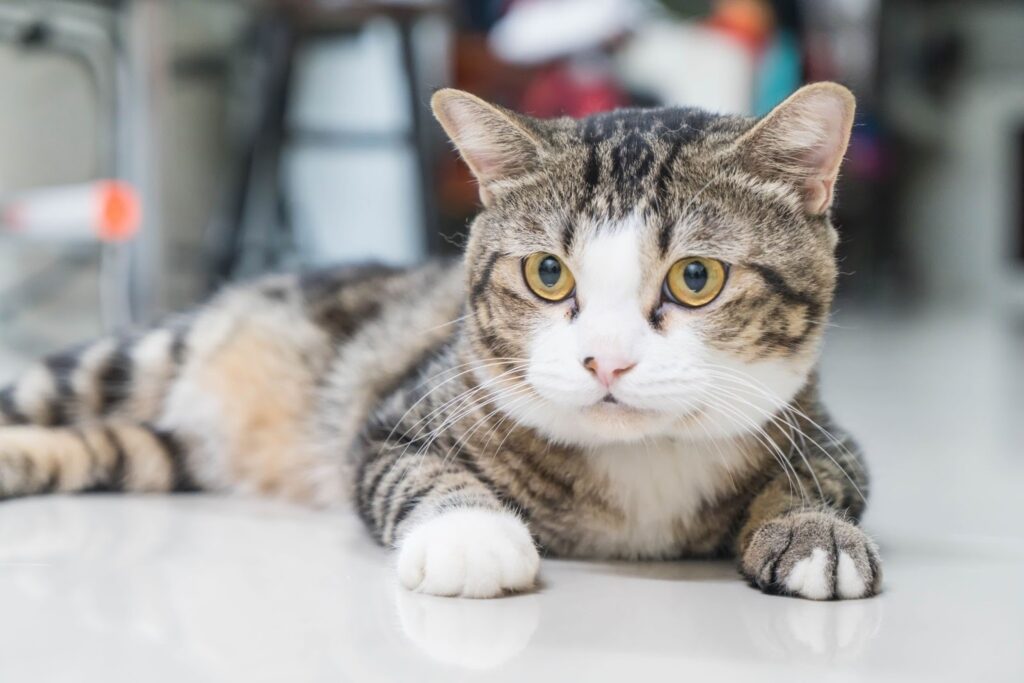
Petting usually starts as a spa moment. Soft purring. Relaxed body. Everything feels peaceful.
Then suddenly… bite.
What changed?
Nothing dramatic. Just sensory overload.
Cats enjoy affection, but their tolerance has a limit. With continuous petting, the same nerves that once felt soothed start feeling irritated. What was pleasant slowly became too much. Since cats cannot say “that’s enough,” they use a quick nip as a polite but firm stop signal.
Think of it like someone tapping your shoulder nonstop. Fine at first. Annoying after a while.
Just before this happens, most cats drop subtle hints:
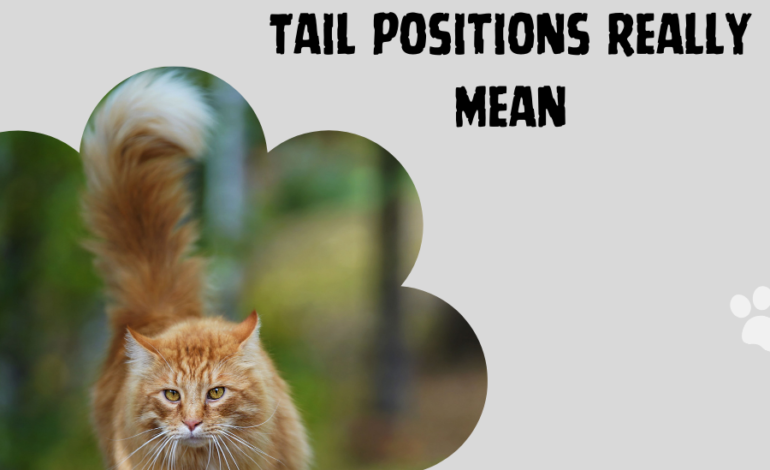
• Tail starts flicking instead of resting calmly
• Skin along the back ripples
• Ears turn slightly backward
• Pupils suddenly widen
• Body shifts from loose to stiff
Spotting these tiny signs can turn a surprise bite into a moment of understanding.
Play Mode Switch
Some cats have a lightning fast emotional gear shift. One moment it is calm bonding time, the next it turns into full play mode. This switch is especially common in young cats, naturally high energy breeds, and indoor cats that may not get enough outlets for their hunting instincts.
What feels like affection can suddenly become practice for a pretend hunt. The hands that were being gently petted a second ago now look like moving “prey.” This is not aggression. It is instinct kicking in.
Watch for these signs that play is taking over:
• Paw grabbing
• Bunny kicking with back legs
• Intense, focused staring
• A twitching tail tip
When these signals appear, the interaction has shifted from social to playful. This is the moment to redirect toward a toy instead of continuing with hands-on contact.
Attention-Seeking Bites
Cats are smart observers. If a gentle nip consistently earns eye contact, talking, movement, or interaction, it can quickly become a go to strategy for getting noticed.
In these cases, the bite is less about irritation and more about communication. It becomes a learned shortcut for connection, engagement, or stimulation.
This pattern is often seen in:
• Single pet households
• Cats left alone for long hours
• Understimulated indoor cats
Here, the bite is not rejection. It is a request that says, “Notice me. Engage with me. Something is missing.”
Could It Be Pain?
Sudden biting is not always about mood or behavior. At times, it can be a response to physical discomfort. When a cat that was previously comfortable with touch starts reacting defensively, the bite may be signaling pain rather than irritation. Physical issues can reduce tolerance levels, making normal interaction feel unpleasant or even threatening.
Possible underlying triggers include:
• Arthritis
• Dental pain
• Skin irritation
• Injury
• Neurological sensitivity
Red flags to watch for:
• A new or unusual behavior pattern
• Biting in areas that were previously tolerated
• Avoidance of touch or handling
• Changes in litter box habits
If biting appears out of character or begins suddenly without clear behavioral cues, a veterinary check is important to rule out pain-related causes.
Reading the Body Before the Bite
A cat rarely goes from calm to biting without sending signals first. The body usually speaks before the teeth do. Learning to notice these small shifts can help stop a bite before it happens.
| Body Signal | What You See | What It Usually Means | What You Should Do |
| Tail Lashing | Fast side-to-side movement | Irritation or overstimulation | Pause interaction immediately |
| Tail Twitching | Slow, focused tip movement | Alertness or stimulation | Monitor before continuing |
| Ears Forward | Upright and facing ahead | Relaxed and comfortable | Safe to continue interaction |
| Ears Sideways | Slight outward rotation | Mild discomfort | Slow down or reduce touch |
| Ears Flattened | Pressed back against head | Stress or warning | Stop interaction |
| Loose Posture | Soft, relaxed body | Comfortable and calm | Continue gently |
| Stiff Posture | Tensed muscles or frozen stance | Limit reached | Give space |
A Real-Life Pattern Many Cat Parents Miss
This situation is surprisingly common. A cat settles into evening lap time and enjoys gentle petting for a few moments. Then suddenly, a bite happens. On closer observation, subtle signals usually appear before the bite such as tail flicking after a short duration, slight ear rotation, and a shift from a relaxed body to a still posture. When petting time is shortened based on these cues, the biting often stops completely. In most cases, the bite was not aggression but a clear form of communication that the interaction had moved beyond the cat’s comfort limit.
How to Respond Without Damaging Trust
| Situation | What To Do | What To Avoid | Why It Matters |
| Cat gives a warning nip | Stop petting calmly | Yelling | Calm withdrawal prevents escalation |
| Cat bites during interaction | Keep hand still | Pulling hand away suddenly | Sudden movement can trigger chase instinct |
| Cat seems overstimulated | Let the cat disengage | Forcing continued touch | Respecting boundaries builds trust |
| Cat shifts into play mode | Offer a toy | Using hands for play | Redirects energy safely |
| Cat becomes tense | Pause interaction | Punishing behavior | Punishment increases fear, not learning |
Responding calmly teaches safety, not fear.
Preventing Future Bites
Preventing bites is often easier than trying to correct them later. Small, consistent changes in daily interaction can make a noticeable difference in how safe and comfortable a cat feels during touch.
Helpful habits include:
• Keeping petting sessions short and stopping before overstimulation begins
• Providing regular interactive play to release built-up energy
• Using enrichment toys to reduce frustration and boredom
• Letting the cat initiate contact instead of approaching uninvited
• Avoiding sensitive areas like the belly unless the cat clearly welcomes it
When emotional needs and physical stimulation are balanced, biting usually decreases on its own.
Conclusion: Biting Is a Message, Not Misbehavior
A sudden bite can feel surprising or even personal, but it is rarely an act of defiance. In most cases, biting is a form of communication that reflects sensory limits being reached, emotional needs, natural play instincts, or even physical discomfort. When a cat’s body language is noticed and respected early, biting often reduces on its own without the need for punishment or correction. Understanding these signals and honoring boundaries strengthens trust, improves communication, and helps create a calmer, more secure relationship between cat and caregiver.
Want to build a deeper, stress-free bond with your cat? Explore more behavior guides and practical tips at Meow Care Hub to better understand your cat’s signals and create a more comfortable, bite-free interaction routine at home. 🐾
FAQs
1. Are love bites normal in cats?
Yes. Gentle, controlled nips that do not cause pain are a natural part of feline communication and bonding behavior.
2. How can affectionate bites be distinguished from warning bites?
Affectionate bites are soft and occur during relaxed interaction, while warning bites are firmer and usually appear alongside tense body language such as tail flicking or ear rotation.
3. Should love bites be corrected or discouraged?
Mild love bites may not require correction, but redirecting interaction toward toys can help prevent them from escalating into stronger bites.
4. Can sudden biting indicate a health issue?
Yes. A sudden change in biting behavior, especially when combined with touch sensitivity or routine changes, may signal discomfort and should be evaluated by a veterinarian.
5. Why does biting happen specifically during petting?
This is most commonly linked to overstimulation. Subtle cues such as tail movement or ear shifts often appear before the bite and signal that the interaction threshold has been reached.
Medical Disclaimer
This content is for informational purposes only and is not a substitute for professional veterinary advice. If your cat’s biting behavior changes suddenly or is accompanied by other unusual signs, consult a qualified veterinarian.