What Different Cat Tail Positions Really Mean
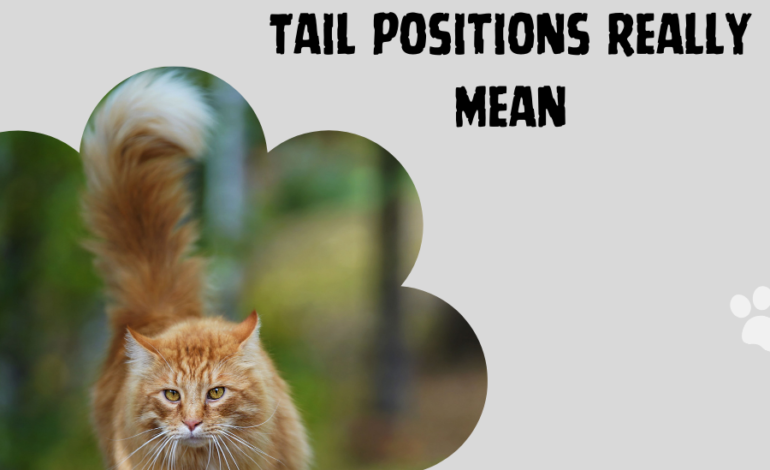
Cats are often seen as mysterious and independent, but their tails tell a story that’s usually clearer than their quiet meows. Watching a cat’s tail can reveal their mood, intentions, and even health. From an upright “hello” to a puffed-up defensive stance, every movement communicates something important.
Understanding tail language strengthens the bond between you and your cat while helping prevent stress, miscommunication, and potential injuries. In fact, a 2021 study found that over 70% of cat owners misinterpret tail signals, which can unintentionally escalate fear or aggression. By learning these subtle cues, pet parents can create safer, happier, and more emotionally balanced environments for their feline companions.
Why Cat Tail Language Matters
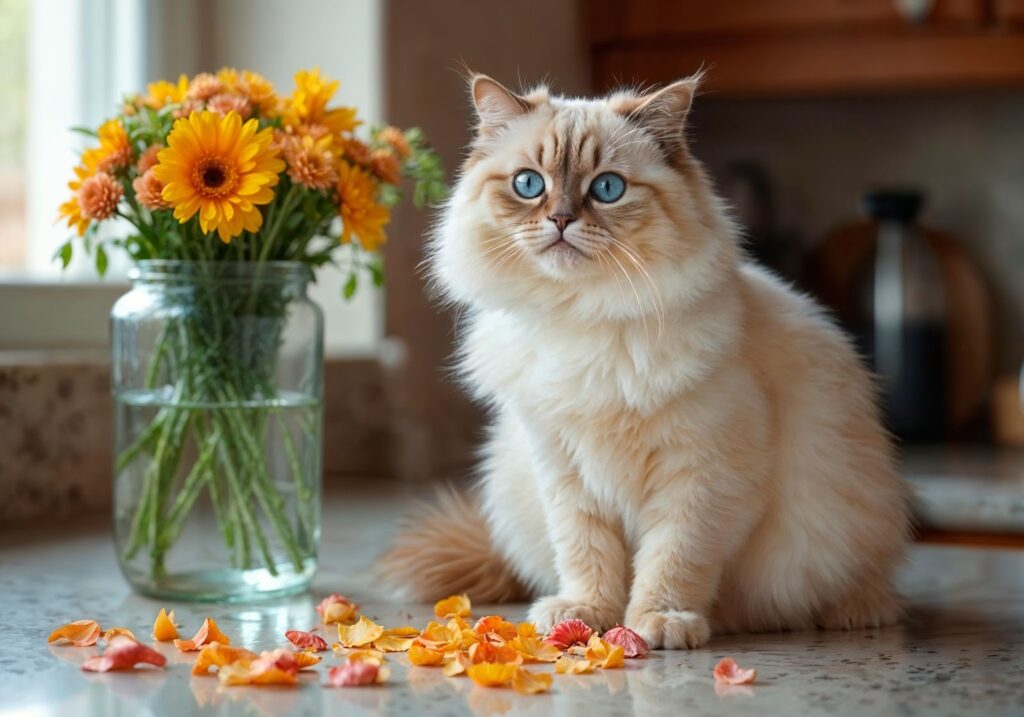
Cats rely heavily on body language to communicate, and the tail is a central part of this system. Along with ear position, eye contact, and overall posture, a tail can signal confidence, curiosity, fear, or irritation. Learning to read these positions accurately can help you:
• Identify Emotional States: Recognize when your cat is anxious, fearful, or content, reducing the risk of stressful interactions.
• Detecting Health Issues: Cats often hide pain, but changes in tail posture or movement can indicate discomfort.
• Provide Appropriate Enrichment: Understanding mood cues helps you tailor play, attention, and environmental stimulation to your cat’s needs.
For example, a cat sitting with a tucked tail after a vet visit may be signaling fear, while a quivering tail at mealtime expresses excitement and anticipation. Recognizing these differences allows you to respond thoughtfully, keeping your cat safe, comfortable, and emotionally balanced.
Common Cat Tail Positions and What They Mean
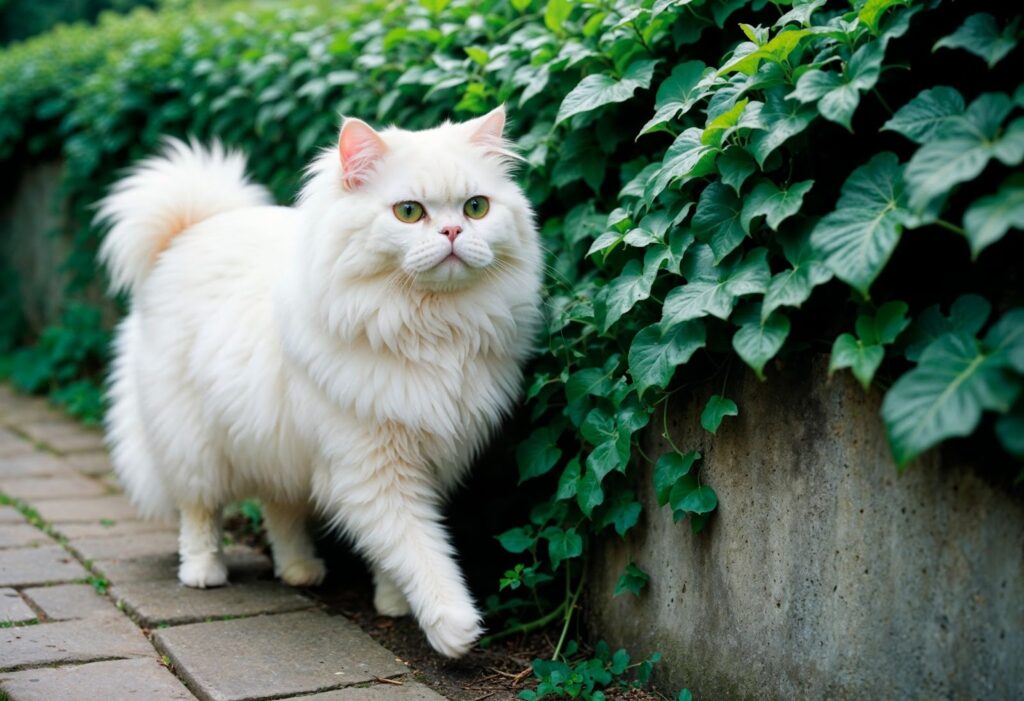
1. Upright Tail
A tail held straight up, sometimes with a slight flick at the tip, signals confidence, happiness, and friendliness. Cats often use this posture to greet owners, other cats, or familiar spaces.
Scenario: Your cat greets you at the door after a long day, tail upright—ready for gentle petting on the face, chin, and ears.
2. Question Mark / Hooked Tip
An upright tail that curls at the end shows curiosity and eagerness. It’s a friendly invitation to interact. Most cats prefer petting around the cheeks or under the chin rather than the tail.
Tip: Observe and respond to your cat’s preferred interaction zones.
3. Lowered Tail
A tail held low to the ground indicates caution, fear, or potential aggression. Cats may adopt this posture when exploring unfamiliar environments or hunting.
Safety Guidance: Avoid forcing interaction; let the cat approach on their own terms.
4. Half-Mast / Relaxed Tail
A relaxed “U” shape, tail even with or slightly below the spine, shows calmness and contentment. The tail is soft, not stiff, signaling comfort with surroundings.
Scenario: Cats lounging in a sunny window or exploring a new toy often display this posture.
5. Tail Curled Around the Body
When a cat wraps its tail around its body while resting, it usually feels comfortable but may still be slightly cautious. Persistent curling over several days could indicate stress, pain, or illness.
Action: Monitor behavior and consult a veterinarian if it continues.
6. Tail Tucked Beneath the Body
A tucked tail is a classic sign of fear or submission. Cats may adopt this posture to appear smaller and non-threatening.
Safety Tip: Ensure escape routes are available and avoid approaching directly.
7. Puffed-Up Tail (“Bottle Brush”)
Fur standing on end along the tail signals fear or defensiveness, making the cat appear larger to ward off threats.
Action: Remove stressors and give the cat space; approaching may provoke aggression.
8. Inverted “U” Tail
A puffed tail forming an inverted U indicates defensive aggression. In kittens, it can also appear during play or when startled.
Tip: Check ears, eyes, and vocalizations to distinguish fear from playful behavior.
9. Tail Quivering
A quivering tail shows excitement, anticipation, or sometimes scent-marking.
Scenario: Your cat’s tail quivers when you open a treat bag or prepare a meal.
10. Tail Twitching / Lashing / Swishing
Fast side-to-side movements indicate irritation, concentration, or predatory focus. Twitching can also signal mild frustration or overstimulation.
Safety Tip: Stop petting if your cat lashes its tail during interaction; it’s a warning sign.
11. Tail Twining / Wrapping
Cats sometimes wrap their tails around humans or other cats as a sign of trust, friendship, and social bonding.
Scenario: Your cat curls its tail around your leg while resting, signaling comfort and attachment.
Interpreting Tail Language in Context
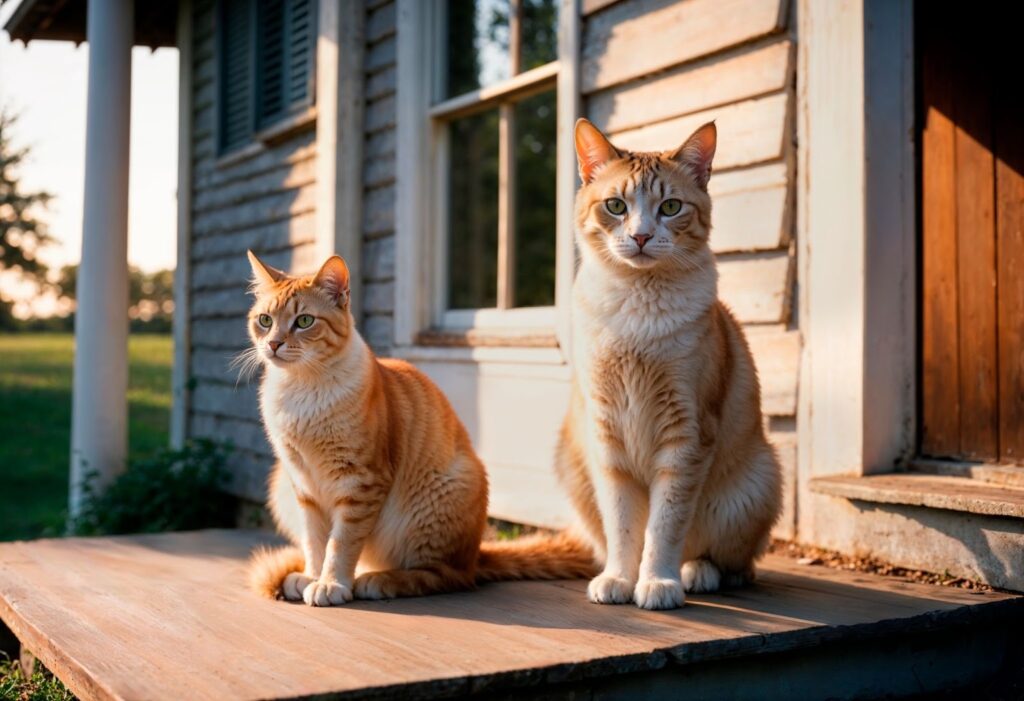
A cat’s tail rarely tells the whole story on its own. To understand what your cat is communicating, always consider other body signals alongside tail movements.
- Ear Position: Forward-facing ears usually indicate curiosity, while flattened ears signal fear or aggression.
- Eyes: Dilated pupils can show excitement or fear, whereas slow blinks often reflect contentment.
- Body Posture: A crouched or tense body often accompanies defensive or fearful tail positions.
Example: A cat twitching its tail while watching a bird is likely focused and in hunting mode, not irritated. On the other hand, a twitching tail paired with flattened ears and growling signals frustration or anger. Observing the full context ensures accurate interpretation of your cat’s mood and intentions.
Difference Between Play Aggression and Fear Aggression
Not all aggressive signals mean fear. Observing tail and ear combinations helps distinguish play from defense:
| Behavior Type | Tail & Ear Signals | How to Respond |
| Play Aggression | Tail upright, quivering or twitching; ears forward/neutral; pouncing or stalking toys | Encourage safe play, use interactive toys, allow short bursts |
| Fear Aggression | Tail puffed or tucked; ears flattened back; hissing or swatting | Stop interaction, remove stressor, provide safe space |
Tip: If your cat lashes its tail but ears are forward, they may be stalking a toy. If ears are back, respect their space, fear is the driver.
Conclusion
Understanding your cat’s tail language along with ear, eye, and body cues is one of the most powerful tools for any pet parent. It helps you respond appropriately to your cat’s emotions, prevent stress or aggression, and deepen the bond between you and your feline companion. Cats communicate subtly, and by paying attention to their tail positions, you can create a safer, happier, and more trusting home environment.
Next time you notice your cat’s tail movement, pause and interpret what it might be telling you. Share this guide with fellow cat parents to help them better understand their feline friends. For more in-depth guidance, explore our interactive cat behavior resources at Meow Care Hub.
FAQs
1. What does it mean if my cat’s tail is puffed up but they aren’t hissing?
They may be startled or feeling defensive without intending aggression. Observe their surroundings and give them space.
2. Can a tail held low ever be positive?
Yes. Sometimes a low tail indicates a hunting or stalking stance, showing focus and readiness rather than fear.
3. Why does my cat wrap its tail around me while sitting?
This is a sign of trust and affection, similar to a gentle feline hug.
4. How can I tell if a twitching tail signals play or irritation?
Look at ears, eyes, and overall body posture. Twitching with alert ears usually signals predatory focus or excitement, while twitching with flattened ears often indicates annoyance.
5. Do all cats communicate with their tails the same way?
No. Tail language can vary based on personality and past experiences. Observing your cat over time helps you understand their unique signals.