The Benefits of Omega Fatty Acids for Your Cat’s Coat and Hair
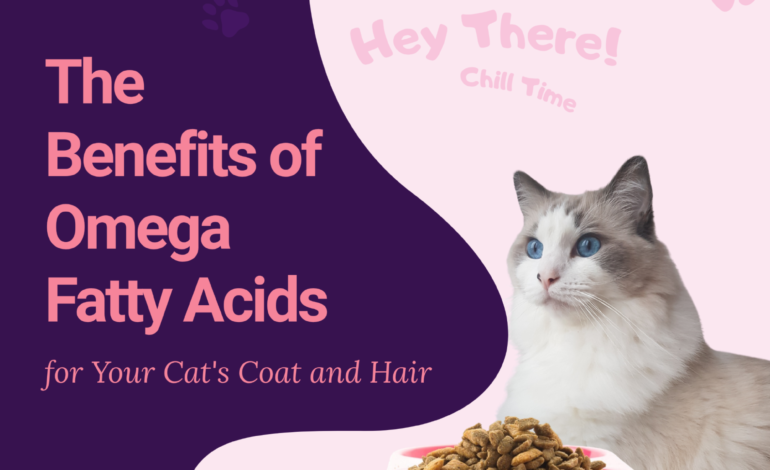
That soft fur, that glossy sheen — your cat’s coat is more than just beautiful. It’s a representation of what’s going in. From scratching away at itchy skin to curbing shedding, omega fatty acids are the unsung heroes of kitty nutrition.
We’ll explain how omega-3 and omega-6 oils work to transform coarse, lackluster coats into smooth, glossy ones — and how to select the right foods and supplements to help your cat achieve a full-on glow-up.
These vital fats are excellent for skin hydration, control shedding and leaves your cat’s coat supple and shiny – the silky sheen we all adore. In this guide, we’ll cover why omegas matter, where to find them and how to choose the best food that will have your cat looking (and feeling) their best.
What Are Omega Fatty Acids?

Omega fatty acids are good oils that your cat’s body requires but can’t make by itself—so they need to be provided by their food. This healthy fat acts as a powerful way of ensuring that your feline’s skin, coat and general health is in check.
There are two main types your cat needs:
- Omega-3 Fatty Acids (EPA, DHA, ALA)
Found in fish oils, including those from salmon, sardines and even algae, omega-3s are prized for their anti-inflammatory properties. They can also alleviate itchiness, soothe skin irritation and produce a sleek, glossy coat. - Omega-6 Fatty Acids (Linoleic & Arachidonic Acid)
Common in chicken fat, sunflower oil and canola oil, omega-6s help to hydrate the skin, keep it functioning, and protect its natural barrier.
Combined, omega-3s and omega-6s work together to fuel your cat from the inside out, which is why a diet that’s friendly to your kitty’s coat should contain them.
Why Omega Fatty Acids Matter for Cat Coats
| Benefit | Omega-3 | Omega-6 | Ideal For |
| Reduces inflammation | Yes | Minimal | Cats with allergies or dermatitis |
| Improves coat shine | Yes | Yes | Long-haired & short-haired cats |
| Strengthens hair follicles | Yes | Yes | Reduces shedding, hairballs |
| Hydrates skin | Yes | Yes | Dry, flaky skin or dandruff |
| Supports immune system | Yes | Limited | Cats with chronic conditions |
| Promotes brain & heart health | (DHA, EPA) | No | Kittens & senior cats |
Long-Haired Cats vs. Short-Haired Cats: Coat Needs

However, long-haired and short-haired cats have relatively differing coat-care needs— and their diet should reflect that. The right nutrients can make all the difference, from omega fatty acids to protein and fiber.
Long-Haired Cats
- Due to their increased grooming requirement they are also more prone to hairballs.
- High levels of omega-3 from sources such as fish and flaxseed support skin health and serve as an anti-inflammatory giving your pet less itchy, strong skin and less scratching and shedding, while added fiber aids digestion and allows your pet to feel full, longer.
- Protein’s role in long-haired cats. It also helps keep your long-haired cat’s hair strong and healthy from root to tip.
Short-Haired Cats
- Less vulnerable to hairballs, but can still appreciate omega-6 fatty acids to help keep their skin hydrated and coat soft.
- A shiny, glossy coat is all about the right balance of fats, staying hydrated, and getting plenty of quality animal protein.
Whether you have a silky Persian or a mixed American Shorthair, feeding the appropriate cat food for their coat type can help keep your cat looking and feeling their very best.
Best Food for a Healthy, Shiny Coat
Look for cat food with balanced omega-3 and omega-6 fatty acids. These ingredients support a glossy coat, reduce shedding, and improve overall skin condition.
Recommended Cat Foods
| Product | Key Features | Best For | Buying Link |
| Farmina N&D Skin & Coat Quinoa | Omega-rich, hypoallergenic | Long-haired cats with sensitive skin | Link |
| Hill’s Science Diet Adult Sensitive Skin & Stomach | Contains vitamin E, omega-6, fish oil | Short-haired cats with dull coats | Link |
| Purina Pro Plan LIVECLEAR Adult Indoor | Omega fatty acids + protein | Hairball & coat management | Link |
| Go! Solutions Skin + Coat Care | Balanced omega-3 & 6, salmon-based | All coat types, shiny coat focus | Link |
| Royal Canin Hairball Care | High fiber + fats | Long-haired cats prone to hairballs | Link |
Omega-3 and 6 Sources for Cats
| Source | Type | Notes |
| Fish Oil (Salmon, Sardine, Anchovy) | EPA & DHA (Omega-3) | Powerful anti-inflammatory for coat & joints |
| Flaxseed Oil | ALA (Omega-3) | Plant-based, less bioavailable than fish oil |
| Chicken Fat | Linoleic Acid (Omega-6) | Excellent for skin barrier & coat softness |
| Algae Oil | DHA (Omega-3) | Vegetarian source, good for allergies |
| Canola & Sunflower Oil | Omega-6 | Common in commercial pet foods |
Important Considerations When Choosing Omega-Rich Foods

Before you stock your pantry with omegas or change up your cat’s diet, here are a few important things to bear in mind:
- Balance Is Key
Omega-6 must be consumed but taking excess without sufficient intake of omega-3 may result in chronic inflammation. The optimum diet has a good omega-6 to omega-3 ratio. - Talk to Your Vet First
Always consult with the vet before giving any supplements or making serious alterations to the diet and particularly so in cases where your cat is allergic, or has health issues or receiving medication. - Choose AAFCO-Approved Foods
Look for cat foods formatted AAFCO, complete with minimum levels of EPA, DHA and ALA – the three major omega-3 fatty acids. - Omega-3s Help Beyond the Coat
Senior cats or those with joint issues; such as arthritis, will greatly benefit from omega-3s and their anti-inflammatory and mobility aids.
More than just giving your cat a shining coat, a balanced, vet-recommended diet packed with the good stuff – quality omega fatty acids, that is – has your cat’s overall health covered.
Conclusion: Give Their Coat the Care It Deserves
A luxuriously glossy coat isn’t just provided as an adorable beauty perk — it’s also an indicator of comfort, confidence, and care. Nourished skin and coat made with omega 6, an essential fatty acid that helps promote healthy skin and coat for your fur baby, your cat will look, feel, and smell their best, and love you even more!
Through the perfect ratio of omega-3 to omega-6 and low-ash protein, Veterinary Formula will change the way you home prep, from less hairballs, to healthier, shinier coats.
👉 For more info on feline nutrition and product ratings, visit Meow Care Hub Your guide to taking care of cats from head to tail.
FAQs: Omega Fatty Acids for Cat Coat Health
Q1: What are the best omega-3 sources for long-haired cats?
A: Marine oils like salmon or sardine oil are ideal. They reduce inflammation, support hair growth, and reduce shedding.
Q2: Can short-haired cats benefit from omega fatty acids too?
A: Absolutely! Omega-3 and 6 fatty acids improve coat shine, reduce dandruff, and support overall skin health—regardless of coat length.
Q3: What’s the ideal omega-3 to omega-6 ratio for cats?
A: While exact ratios vary, most vets recommend a range of 1:5 to 1:10 (omega-3 to omega-6) for optimal skin and coat health.
Q4: Is fish oil safe for cats?
A: Yes, when used in proper dosages. Always choose cat-specific, purified fish oils and consult your vet before adding supplements.
Q5: Which is the best cat food for a shiny coat?
A: Foods like Go! Solutions Skin + Coat Care or Farmina N&D Skin & Coat are formulated with balanced omega fatty acids and high-quality proteins for visible coat improvements.