Is My Cat Lonely If I Work 9–5? (Signs Your Cat Needs a Companion)

Today, many indoor cats spend between six to ten hours alone during a typical workday.
Although cats are often seen as independent, both behavioral understanding and everyday observation show that environmental and social stimulation remain important for their emotional wellbeing.
When left alone for long periods, cats do not always respond with obvious disruption. Instead, under stimulation often appears in quieter ways through small shifts in routine, mood, or daily habits.
This leads to an important consideration for working pet parents.
Is a cat genuinely comfortable alone, or quietly experiencing loneliness?
This guide helps distinguish between a content solo cat, a bored cat, and a socially under-stimulated cat, while also exploring when companionship may or may not be the right choice.
Loneliness in Cats Looks Different Than You Expect
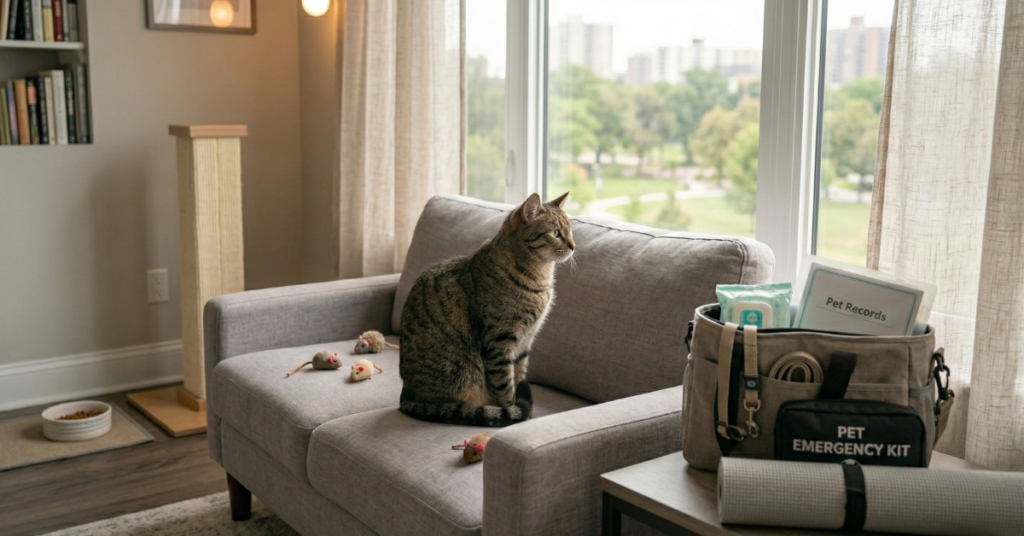
Cats rarely display distress in obvious ways. Unlike dogs, they often don’t vocalize their unhappiness loudly. Instead, loneliness may show up subtly through withdrawal, changes in routine, or shifts in daily behaviors.
In households where owners are away for work, a cat’s sense of isolation is often influenced by three key factors:
• Predictable Routines: Consistent daily schedules reduce stress and loneliness.
• Environmental Engagement: Toys, climbing spaces, and puzzles keep cats mentally active.
• Social Interaction: Regular human or pet interaction supports emotional wellbeing.
Signs Your Cat Needs a Companion
Sign 1: Attention Seeking That Feels Different
Cats that follow you constantly, vocalize excessively after you return, or demand interaction may be signaling unmet social needs. This is especially noticeable after long absences or routine disruptions. Always rule out medical issues before assuming emotional distress.
Sign 2: Changes in Eating Habits
Cats left alone may overeat out of boredom or lose their appetite due to emotional disengagement. Any sudden change in eating habits should be medically evaluated first.
Sign 3: Destructive or Restless Behavior
A cat without stimulation may create its own activity, such as knocking items over, scratching unusual surfaces, or pacing at night. These behaviors usually reflect boredom rather than misbehavior.
Sign 4: Litter Box Changes
Altered litter box habits can signal anxiety, routine disruption, or emotional imbalance. Maintaining clean, consistent litter conditions helps differentiate stress related issues from medical problems.
Sign 5: Altered Sleep Patterns
Lonely or under-stimulated cats may sleep excessively, reverse their day-night cycles, or become restless at night. These changes often relate to long daytime isolation.
Sign 6: Reduced Play or Exploration
A cat that ignores toys or avoids interaction may be disengaged rather than calm. This often develops gradually in single-cat homes.
Sign 7: Energy Level Changes
Sudden lethargy or heightened restlessness can indicate emotional imbalance, often stemming from gaps in mental or physical enrichment.
Real-Life Scenario: The 9–5 Household Cat
A young indoor cat that had previously been calm began waking its owner every night, despite months of stable behavior.
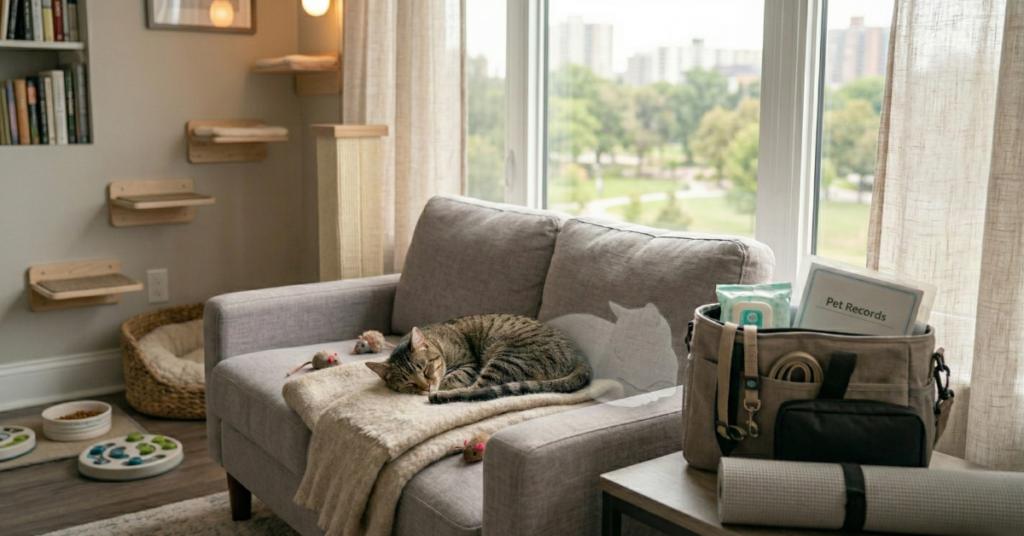
Rather than immediately adding another pet, simple environmental changes were implemented: a structured play routine, a window perch for observation, and puzzle feeders to encourage mental stimulation.
Within weeks, the nighttime disturbances reduced noticeably. This example shows that thoughtfully designed environments can often address signs of loneliness without needing to change household composition.
Does Loneliness Always Mean Your Cat Needs a Companion?
Not necessarily.
Before deciding to bring a second cat into the home, it’s important to evaluate whether your cat’s current needs are being met:
• Environmental Enrichment: Are there climbing spaces, toys, and puzzle feeders to keep your cat engaged?
• Daily Routine Stability: Is feeding, play, and attention consistent and predictable?
• Interactive Time: Does your cat receive regular human interaction that satisfies social needs?
When these areas are addressed, many cats thrive happily as solo pets.
When a Second Cat May Help
• Previous Social Experience: Cats that have lived with other cats before often adjust better to a companion.
• High Social Needs: Cats that consistently seek attention, play, or interaction beyond what humans can provide may benefit from a feline friend.
• Persistent Under-Stimulation: Even in enriched environments, some cats remain bored or restless, and a compatible companion can offer extra mental and physical engagement.
• Temperament Matching: Success depends on pairing cats with compatible personalities, energy levels, and play styles.
• Gradual Introduction: New cats should be introduced slowly and under supervision to ensure a positive, stress-free relationship.
Supporting Emotional Health Without Another Cat
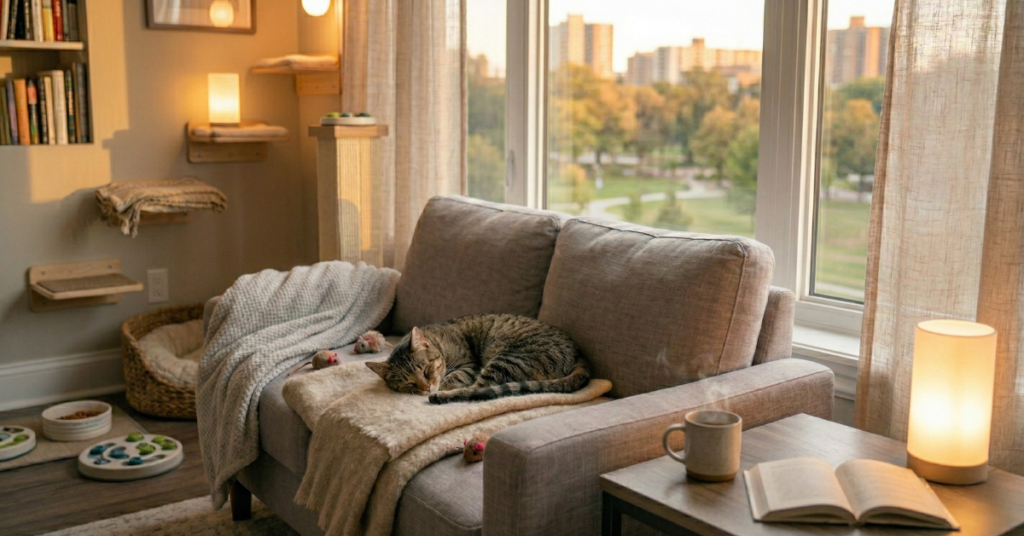
Even without introducing a second cat, small daily adjustments can make a big difference in a cat’s emotional wellbeing. Key strategies include:
• Scheduled Play Sessions: Short, consistent interactive play to satisfy hunting instincts.
• Puzzle Feeding: Encourages mental stimulation and mimics natural foraging.
• Window Observation Spots: Provides safe access to sights and sounds from outside.
• Stable Routines: Consistent feeding, play, and attention help reduce stress and anxiety.
With these measures in place, many cats achieve emotional balance and contentment without needing a companion.
Conclusion
Working a 9–5 job doesn’t automatically mean your cat is lonely. What matters most is the quality of engagement, consistent routines, and environmental enrichment. By paying attention to subtle behavioral cues, providing both mental and physical stimulation, and maintaining predictability, your cat can thrive, even during long hours alone.
Companionship is only one part of the solution. Thoughtful enrichment and interaction often keep single cats happy and emotionally balanced, creating a calm, stress-free home for both you and your feline friend.
Want to create a happier, more stimulating environment for your indoor cat? Visit Meow Care Hub for expert tips on interactive play, enrichment ideas, and step-by-step guidance to support the emotional health of your 9–5 household cat. 🐾
FAQs
1. Is it normal for cats to sleep while I’m at work?
Yes, cats naturally sleep 12–16 hours a day. Excessive sleep combined with disengagement may indicate boredom or loneliness.
2. How can I tell if my cat is lonely or just bored?
Look for patterns like clinginess, vocalization tied to your absence, changes in appetite, litter use, or energy levels.
3. Should I get a second cat if I work full-time?
Only after environmental enrichment and consistent routines have been implemented. A companion is a secondary solution, not a default.
4. Can puzzle feeders help working households?
Absolutely. They provide mental stimulation and encourage natural foraging behavior, reducing boredom during alone time.
5. When should I consult a veterinarian about behavior changes?
Any sudden changes in appetite, litter use, energy, or grooming should be evaluated to rule out medical causes before addressing emotional needs.