How to Travel With a Cat (Train & Car Safety Tips)
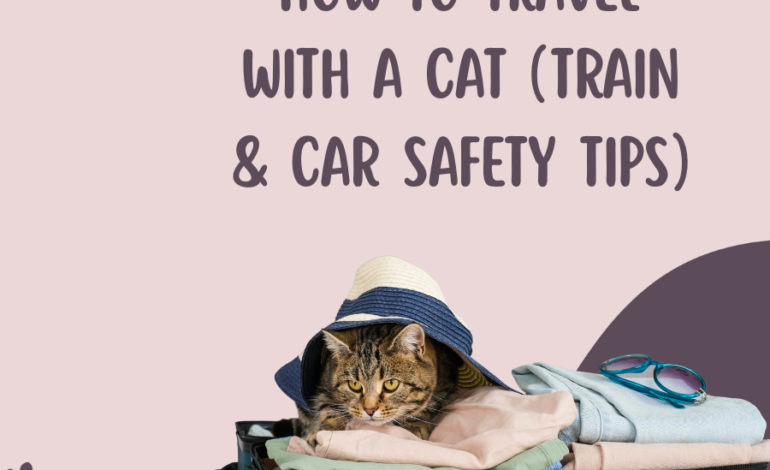
Travel and cats rarely make an easy pair. Unlike dogs that may welcome change and movement, most cats feel safest in familiar territory. Even a short journey can lead to anxiety, confusion, or physical stress.
However, travel is sometimes necessary. Relocations, extended family visits, medical care, or long stays away from home may require a cat to come along. With thoughtful preparation and a clear understanding of feline behavior, travel can be made safe and manageable.
Studies suggest that nearly 7 out of 10 cats display signs of stress during travel. These may include vocalizing, hiding, drooling, or refusing food. The aim is not to eliminate stress entirely, but to reduce it in a way that keeps the cat calm and secure.
This guide provides practical, experience-based tips to help cat parents travel more confidently by car or train.
Should a Cat Travel at All?
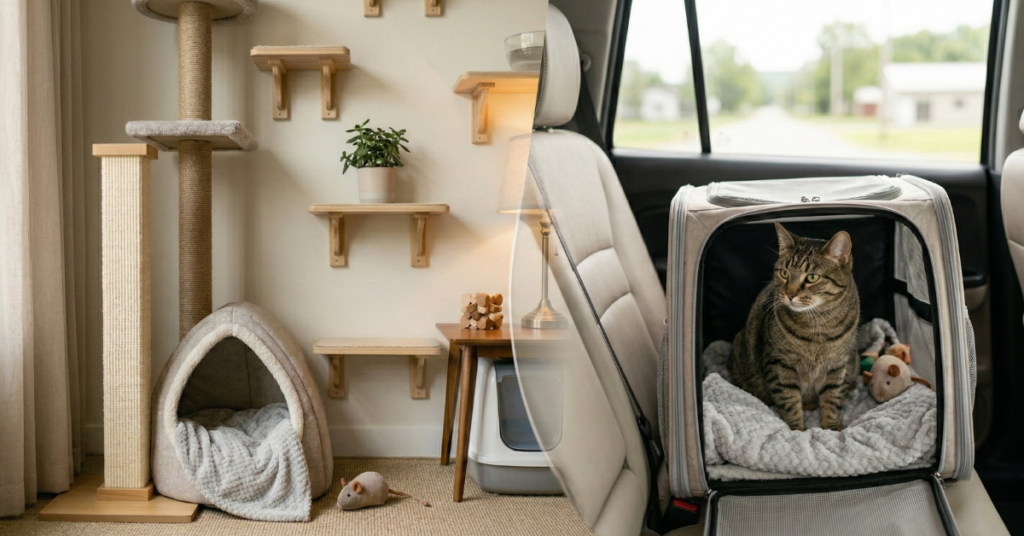
Not every trip should automatically include a cat. The first step is to evaluate whether travel is genuinely necessary or simply convenient.
In some situations, bringing a cat along is the most responsible choice. This is especially true during relocation, extended stays away from home, lack of dependable home care, or when travel is required for medical treatment.
However, travel may place unnecessary strain on certain cats. Elderly cats, those with known anxiety, chronic health concerns, or unstable litter habits often cope poorly with unfamiliar environments and constant movement.
In many cases, remaining in a familiar home with a trusted sitter provides more comfort than traveling. The decision should always be guided by what supports the cat’s physical and emotional stability, rather than what is easiest logistically.
How Cats Experience Travel
For cats, travel is far more than simply going from one place to another. It often feels like a flood of unfamiliar sensations happening all at once. Movement, engine vibrations, sudden noises, new smells, and confinement inside a carrier can quickly overwhelm their sense of control.
This sensory overload may show up through signs such as panting, repeated vocalization, drooling, attempts to escape, refusal to eat, or even sudden irritability. Recognizing these early responses is important, as timely intervention can prevent stress from escalating into deeper distress or health complications.
Preparation Begins Weeks in Advance
Safe and low-stress travel starts well before leaving home. Planning ahead allows your cat to acclimate and reduces last-minute stress.
Veterinary Check: Schedule a pre-travel visit to confirm your cat’s overall health, update vaccinations, screen for parasites, discuss motion sickness management, and evaluate anxiety support if necessary.
Identification: Make sure your cat’s identification is up to date. This includes a registered microchip, a current ID tag, and ready-to-go health records. Proper preparation ensures safety and peace of mind throughout the journey.
Carrier Training Is Essential
A cat carrier should never be introduced for the first time on travel day. Gradual, positive exposure helps your cat associate it with safety rather than confinement.
To train effectively:
• Leave the carrier open in a familiar area at home
• Add bedding or a favorite blanket for comfort
• Use treats to encourage voluntary entry
• Reward short, calm stays inside the carrier
• Practice brief sessions regularly before travel
Cats that view their carrier as a safe, familiar space handle travel with much less stress and are more likely to remain calm throughout the journey.
Car Travel Safety Tips
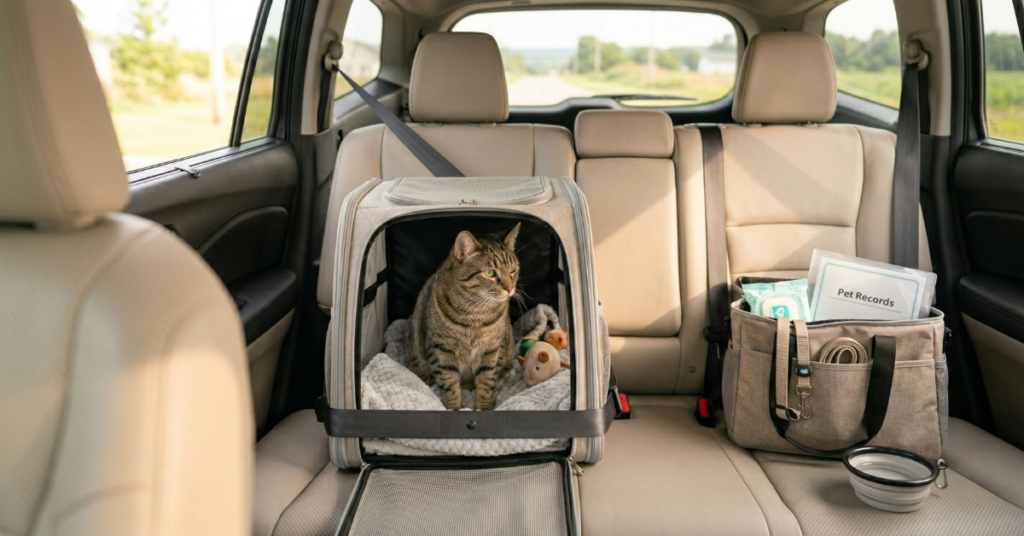
Secure Setup
Keeping your cat safely inside a carrier is the single most important rule for car travel. Free-roaming cats can distract the driver, hide under pedals, or get injured during sudden stops. A well-secured carrier ensures your cat stays protected throughout the journey.
Key Placement Guidelines:
• Seatbelt-secured: Use the seatbelt to hold the carrier in place, preventing it from sliding or tipping during motion.
• Behind the front seat: This location keeps your cat out of direct airflow from the AC and away from airbags, which could be dangerous.
• Stable surface: Place the carrier on a flat, firm surface to minimize rocking or tipping, helping your cat remain calm.
Following these precautions reduces risk and provides a more comfortable, secure travel experience for your feline companion.
Temperature Matters
Temperature control is critical when traveling with cats. Cars can heat up rapidly, becoming dangerous within minutes, so never leave a cat unattended in a parked vehicle, even for a short stop.
To keep your cat safe and comfortable:
• Ensure proper ventilation in the vehicle
• Maintain a stable, moderate climate
• Keep the carrier out of direct sunlight
Managing temperature effectively prevents heat stress and keeps travel safe and calm.
Feeding Strategy
Feeding plays a key role in preventing travel-related discomfort. Traveling on a full stomach can increase the risk of motion sickness in cats.
Recommended Approach:
• Offer a light meal 3 to 4 hours before departure to reduce nausea
• Provide water during stops to keep your cat hydrated
A carefully timed feeding routine helps minimize digestive upset and keeps your cat more comfortable throughout the journey.
Train Travel With a Cat
Traveling by train with a cat can be a convenient option, but it requires preparation to keep your cat safe and comfortable. Most train services allow small pets, provided they are transported responsibly in an approved carrier.
Important Considerations:
• Carrier size and type: Check the train’s rules to ensure your carrier fits within allowed dimensions and provides enough space for your cat to sit, turn, and lie down comfortably.
• Booking requirements: Some services require advance notification or specific tickets for pets, so confirm policies before planning your journey.
• Documentation: Keep vaccination records, health certificates, or any other required documents ready, as some services may request proof for travel approval.
Proper preparation reduces stress for your cat and helps avoid last-minute complications at the station.
Making Train Travel Comfortable
During train travel, cats should remain inside their carriers at all times to stay safe and secure. Ensuring comfort can make the journey less stressful and more manageable.
Tips for a Comfortable Ride:
• Familiar bedding: Place a favorite blanket or towel inside the carrier to provide a sense of security.
• Quiet travel times: Whenever possible, travel during off-peak hours to minimize noise and crowd stress.
• Visual comfort: Lightly cover the carrier to reduce overstimulation from passing passengers and scenery.
• Carrier design: Use carriers with side handles for better stability and to reduce motion-related discomfort.
• Absorbent lining: Include absorbent materials to handle any accidents, keeping the environment clean and comfortable.
These small adjustments help your cat feel safe and relaxed, making train travel a smoother experience.
Feeding and Hydration
Proper feeding and hydration can help prevent motion sickness during travel. Avoid giving your cat a full meal 5 to 6 hours before departure to minimize nausea.
Tips for Hydration:
• Offer water whenever possible, using non-spill bowls or bottles designed for travel
• Encourage small sips rather than large amounts at once
Maintaining light feeding and adequate hydration keeps your cat comfortable and reduces the risk of digestive upset during the journey.
Managing Stress During the Journey
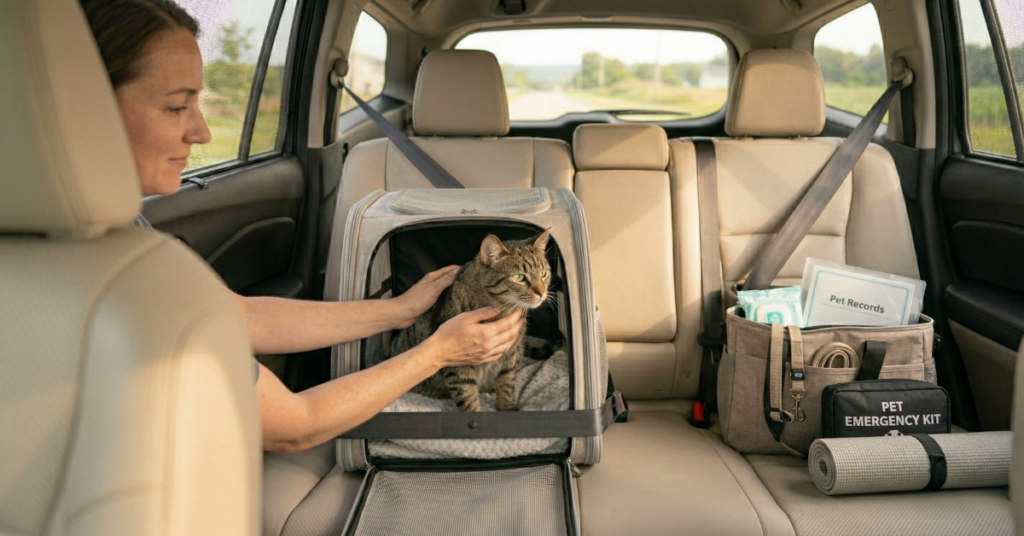
Even well-prepared cats can feel anxious or overwhelmed during travel. Creating a calm, reassuring environment helps reduce stress and keeps your cat more comfortable.
Effective Techniques:
• Familiar scent items: Include a favorite blanket or toy that carries your cat’s scent.
• Quiet surroundings: Minimize loud noises and sudden movements whenever possible.
• Minimal handling: Avoid excessive touching or picking up during the trip, which can increase anxiety.
• Gentle reassurance: Speak softly and calmly if your cat shows signs of stress, but let them settle naturally.
Maintaining a calm and stable environment, whether in a car or on a train, supports emotional well-being and helps your cat cope better with travel.
Conclusion
Traveling with a cat requires careful planning, patience, and respect for their natural instincts. With thoughtful preparation, stress can be minimized, safety ensured, and adjustment to the journey made much easier.
Whether by car or train, the priority should always be a calm and secure experience rather than convenience. Attending to comfort, environment, and gradual acclimation helps maintain your cat’s emotional balance and physical well-being, making travel a safer and more manageable experience for both of you.
Ready to make travel stress-free for your cat? Explore Meow Care Hub for expert tips on carrier training, calming strategies, and step-by-step guides for safe car and train journeys. Equip yourself with practical advice to keep your feline friend comfortable, secure, and happy on every trip. 🐾
FAQs
- Why do cats get stressed during travel?
Cats are sensitive to motion, unfamiliar environments, and confinement. Gradual carrier training and familiar scents help reduce anxiety. - How can I make long-distance travel safe for my cat?
Ensure secure carriers, scheduled breaks, hydration, and familiar bedding. Monitor your cat for stress signals throughout the journey. - Is it safe to sedate a cat for travel?
Sedation should only be used under veterinary guidance, after evaluating health, temperament, and potential side effects. - Do cats need a litter box during trips?
Yes. For extended travel, portable litter boxes or travel litter solutions help maintain hygiene and reduce stress. - Which is easier for cats: train or car travel?
It depends on your cat’s temperament. Some handle smooth train motion better, but proper preparation and acclimation are more important than the mode of transport.