How to Keep a Cat Happy in a Small Apartment (Balcony Safety for Indoor Cats)
Urban living has quietly changed how many cats experience the world. Today, more than 60 percent of pet cats live entirely indoors, especially in apartments where stepping outside is not an option. While this keeps them safe from traffic, predators, and disease, it can also lead to boredom, stress, and less physical activity. In smaller indoor spaces, cats are more likely to gain weight, develop habits like scratching or sudden aggression, or show signs of anxiety such as restlessness and excessive vocalization. The reassuring part is that a happy cat does not need a large home, just a well planned one. With the right setup, even a compact apartment can become a stimulating and secure territory.
This guide explores how to create a fulfilling indoor life for your cat while safely turning your balcony into an enriching extension of their world.
Understanding What Apartment Cats Truly Need
Even the calmest indoor cat still carries deeply rooted natural instincts. The need to climb, hunt, observe their surroundings, mark territory, and retreat into quiet, secure spaces does not disappear simply because they live indoors. These behaviors are essential to how cats feel safe, stimulated, and in control of their environment. When daily life does not offer outlets for these instincts, frustration can gradually build beneath the surface.
This often reveals itself through changes in behavior. Late night zoomies, excessive grooming, damaged furniture, unusual clinginess or withdrawal, and sudden aggression are common signs. Rather than being personality flaws or “bad behavior,” these are usually indicators that important environmental needs are not being met.
The Vertical Living Strategy: Expanding Space Without Expanding Square Footage
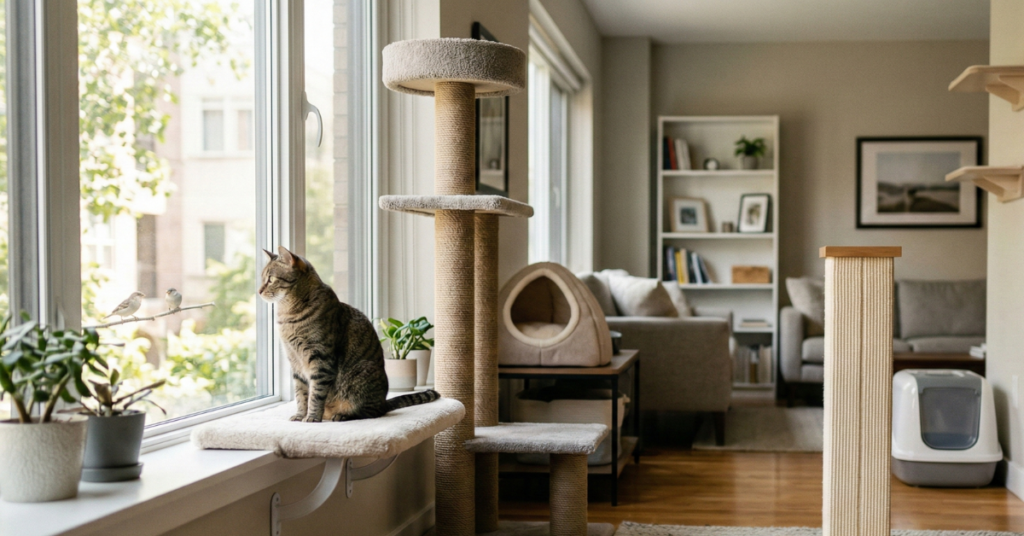
In compact homes, the solution is not always more floor space. It is a smarter use of height. Cats naturally associate elevation with safety and control. Being able to climb and observe from above helps them feel secure in their environment. In apartments where outdoor exploration is limited, vertical design can effectively replace that missing dimension.
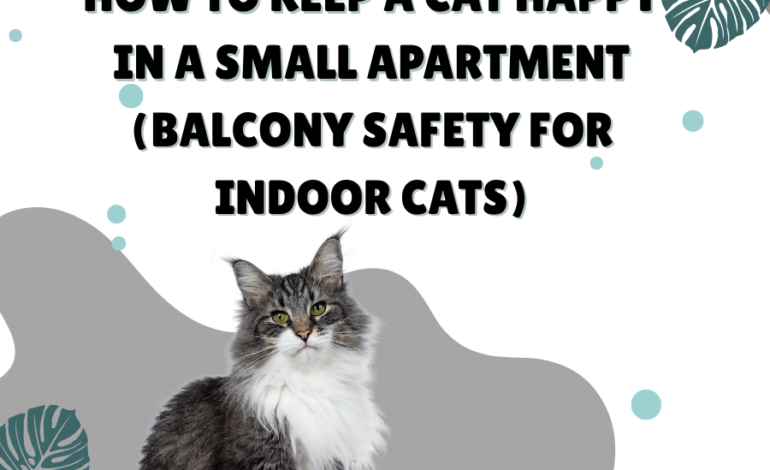
Simple additions such as wall mounted shelves, window perches for birdwatching, slim cat trees that do not dominate the room, or even floating walkways can create meaningful territory without crowding the living area. In real homes, even small changes like adding an elevated resting spot can make a noticeable difference. Cats living in studio apartments, for example, often become calmer and more settled once they have access to higher vantage points.
Daily Enrichment That Prevents Behavioral Problems
• Interactive Play Supports Emotional Balance
Regular play allows indoor cats to release energy in a healthy way by engaging their natural hunting instincts. Activities such as feather wand games, chase toys, and responsibly used laser sessions can help prevent frustration. Just two short play sessions each day often lead to reduced nighttime hyperactivity and less destructive scratching.
• Mental Stimulation Prevents Boredom
Daily enrichment should also challenge a cat’s mind. Using puzzle feeders instead of passive bowls, hiding treats in safe spots, and rotating toys regularly can recreate natural foraging behavior. These small adjustments keep indoor cats mentally engaged and help lower stress driven habits.
Creating Emotional Security in Limited Space
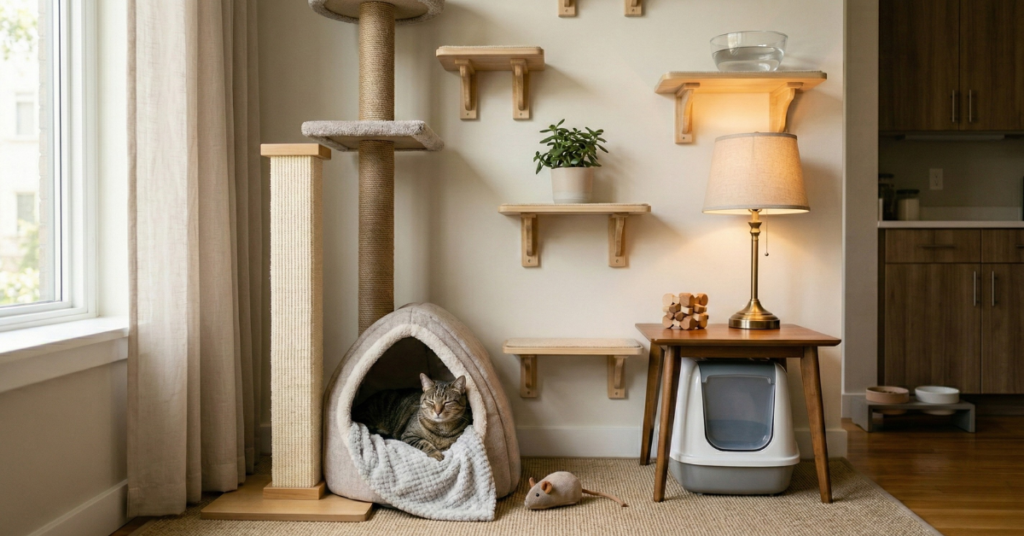
In a small home, a cat is almost always surrounded by movement, noise, and human activity. Without a place to step away, this constant exposure can feel overwhelming. What many apartment cats lack is not space, but a sense of retreat.
Creating cozy hideaways helps restore that balance. Simple options like cat caves, covered beds, or even sturdy cardboard boxes can give cats a quiet zone where they feel protected and undisturbed.
When cats have access to safe hiding spaces, they tend to feel more secure and show fewer stress or anxiety driven behaviors.
Balcony Access Can Be Life Changing When Done Safely
Access to a secure balcony can add a whole new layer of enrichment to an indoor cat’s life. Fresh air, natural light, and everyday outdoor sounds stimulate their senses in ways indoor environments often cannot. Safe balcony time can positively influence mood, encourage movement, spark curiosity, and even help regulate the natural day night rhythm.
At the same time, balconies remain one of the most underestimated risks for indoor cats if not properly secured.
Balcony Safety for Indoor Cats
A balcony can become a wonderful extension of an indoor cat’s world, but only when safety comes first.
Step 1: Install Secure Mesh Netting
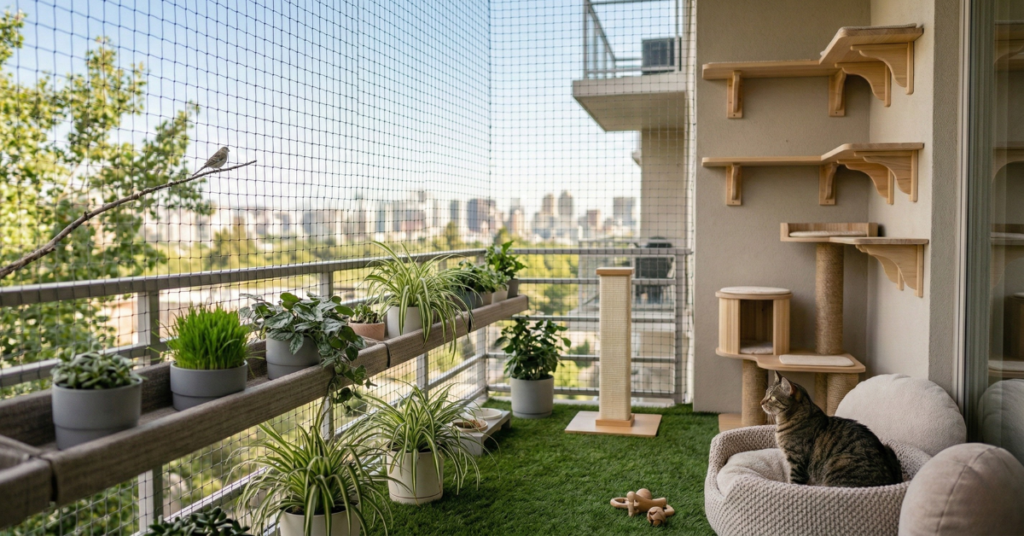
The first priority is proper enclosure. A strong, cat safe mesh or a full balcony net prevents falls, stops cats from slipping through railings, and reduces the risk of sudden panic driven jumps.
Step 2: Remove Climbable Launch Points
Furniture placed near railings can easily turn into jumping platforms. Keep chairs, tables, or storage units away from edges to minimise risky takeoff points.
Step 3: Avoid Unsupervised Access
Even a secured balcony can present unpredictable triggers such as birds, loud noises, or strong wind movement. Supervised access helps prevent impulsive reactions and keeps the experience safe.
Designing a Cat Friendly Balcony Environment
• Add Functional Elements
Include features that support natural behaviors. Weather resistant scratching posts provide a safe outlet for clawing, outdoor safe resting mats create comfortable lounging spots, and vertical shelves offer elevated areas for observation.
• Introduce Safe Greenery
Cat friendly plants can encourage curiosity and gentle exploration. Options like cat grass, catnip, and mild herbs such as lavender are suitable choices. It is equally important to avoid decorative plants that may be toxic to cats.
Health Benefits of a Well Designed Indoor and Balcony Setup
A thoughtfully planned indoor space combined with safe balcony access can support overall feline wellbeing in meaningful ways. The right environment encourages natural movement, mental stimulation, and emotional balance.
This often contributes to:
• Healthier weight through regular activity
• Lower stress levels
• More stable sleep patterns
• Fewer behavior related issues
Cats that live in enriched, structured environments tend to experience fewer stress linked health concerns over time.
Real Life Apartment Scenario
A young indoor cat living in a studio apartment had started scratching doors and waking the household almost every night.
Instead of tightening restrictions or trying to correct the behavior, the environment was adjusted. Two vertical shelves were installed to create elevated space, puzzle feeding was introduced for mental engagement, and a secured balcony was added for safe sensory enrichment.
Within a month, the nighttime restlessness reduced noticeably.
This highlights a simple truth. Behavior is often shaped more by the environment than by the size of the home.
Conclusion
A small apartment does not limit a cat’s happiness. What truly matters is whether the environment supports their natural instincts.
Vertical spaces, structured play, mental stimulation, and safe balcony access can work together to create a balanced and fulfilling indoor life.
When designed thoughtfully, a secure balcony becomes more than just extra space. It becomes a safe window to the outside world that supports curiosity, calmness, and overall wellbeing.
Want to Create a Safer, Happier Space for Your Cat?
Explore more practical indoor enrichment and safety tips at Meow Care Hub and start building a home where your cat can genuinely thrive. 🐾
FAQs
1. Is balcony access safe for indoor cats?
Balcony access can be safe when the space is fully enclosed with sturdy mesh and time spent outside is supervised. Proper safety measures help prevent falls or escape attempts.
2. How much daily play does an apartment cat actually need?
Most indoor cats benefit from two short interactive play sessions each day. This supports natural hunting instincts and helps reduce boredom related behaviors.
3. Can indoor cats be left alone on a secured balcony?
Even with netting installed, leaving a cat unsupervised is not recommended. External triggers such as birds, loud sounds, or sudden movements can lead to impulsive reactions.
4. Which plants are safe for a cat friendly balcony setup?
Safe options include cat grass and catnip, which provide gentle sensory enrichment without posing health risks.
5. Do puzzle feeders improve indoor cat behavior?
Yes, puzzle feeders offer mental stimulation and mimic natural foraging patterns, helping reduce stress and destructive habits.