Choosing the Right Grooming Tools for Your Cat’s Coat Type
- By Fazal Mayar
- April 24, 2025
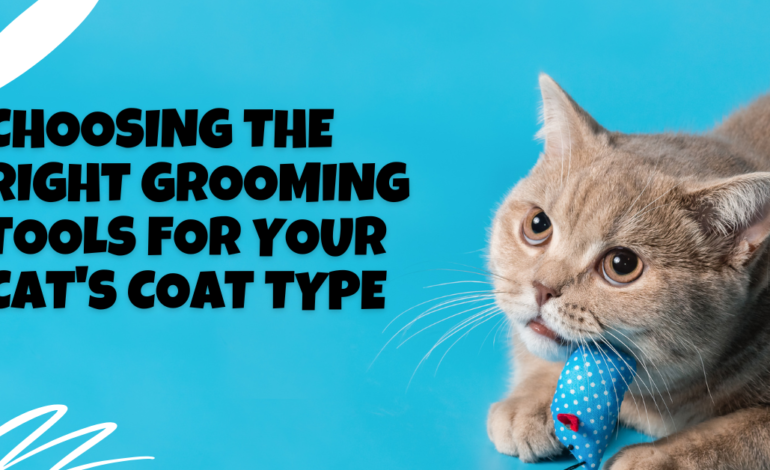
Regular grooming leads to a healthy, comfortable and happy life for a cat. Grooming your cat regularly keeps him clean and tidy, and free from mats. It also minimizes shedding and hairballs, while giving an opportunity for skin and parasite checks. More importantly, it works towards establishing the bond between you and your pet. Choosing the right brush according to the type of coat of your pet gives you a lighter and more enjoyable grooming session. Choose the one which suits your cat’s requirements-from a wide available list for an effective grooming; be it the best short hair cat grooming brush or the best best last grooming tools for cats, you are bound to find one for each hair-cut short-medium-long types. We will also help you understand best brushes for short haired cats and weigh which grooming tools are appropriate for the different coat lengths.
Understanding Cat Coat Types
Cats have a variety of coats and each type will need its very own grooming craft that suits it. Assess the coat type if your cat is to make a decision in the grooming tool and technique that suits your cat.
- Short-Haired Cats: A sleek, easily maintained coat, yet this cat should have regular brushing to reduce loose hair and control shedding, and to keep the coat shiny. The best grooming brush for short hair cats cares for your kitty quite well yet tenderly.
- Long-Haired Cats: Long-haired breeds are the sultriest and should be groomed more often even on a daily basis to avoid matting, tangles, and hairballs. The ideal brush for this condition of pet coats should easily reach deep into the fur without inflicting discomfort to the pet.
- Curly-Haired Cats: Selkirk Rex or Devon Rex cats are extremely tightly curled and need careful handling with regards to grooming. The essence of grooming becomes to maintain the definition of the curl pattern, but eliminate debris and loose hair without over-brushing.
Best Grooming Tools for Each Coat Type
Selecting the right brush or comb is crucial for effective grooming.
| Coat Type | Recommended Tool | Product Link |
| Short-Haired | Self-Cleaning Slicker Brush | Depets Self Cleaning Slicker Brush |
| Short-Haired | Boar Bristle Brush | The Buddy System Cat Brush |
| Long-Haired | Double-Sided Undercoat Rake | Maxpower Planet Pet Grooming Brush |
| Long-Haired | Dematting Comb | Hertzko Mat Remover Comb |
| Curly-Haired | Grooming Gloves | Delomo Pet Grooming Gloves |
| All Coat Types | Silicone Massage Brush | CeleMoon Ultra-Soft Silicone Brush |
Grooming Tips for Different Coat Types
Coordination of grooming schedule with your pet`s coat type helps maintain their skin, reduces shedding and keeps them more comfortable. Here is how to care for each category:
Short-Haired Cats
- Once or twice a week brushing is enough to remove loose fur and keep shedding at bay.
- Use a soft bristle brush or rubber grooming brush-these are the best brushes for short haired cats as they are gentle yet highly effective.
Long-Haired Cats
- Brush daily, that way mats and tangles will not become painful.
- After the wide-tooth comb, proceed with the slicker brush to smooth over the coat and remove fine debris.
- All these factors should be considered when selecting the brush so as not to break hair and cause discomfort.
Curly-Haired Cats
- Brush gently and infrequently so as not to disturb the natural setting of the curl pattern.
- soft brushes that won’t disturb the curls might be among the best cat grooming tools.
Regular grooming helps build trust, increases circulation, and allows the owner to check for skin problems early—and keeps any cat looking his or her best.
Conclusion: Grooming Made Easy with the Right Tools
Grooming tools are really important to your cat’s coat type because it helps give them that cute, adorable look and at the same time, health, hygiene, and happiness. Whether it’s a snug little tabby with short hair or a long-haired fuzzy Persian, you will find that the right brush totally makes the difference when brushing these pet coat types. Its use can definitely make the grooming session for the both of you smoother or even enjoyable in some cases.
As it turns out, understanding your cat’s grooming needs and investing in the best possible grooming brushes and tools will help you to avoid too much shedding, matting, and keeping your kitty comfortable. Regular grooming, of course, creates trust and bonding experiences, making them even closer to your pet.
For expert feline care tips and reviews, visit Meow Care Hub—happy cats here!
FAQs
Q1: How often should I groom my cat?
A: Short-haired cats benefit from weekly grooming, while long-haired cats may require daily sessions to prevent matting.
Q2: Can I use human brushes on my cat?
A: It’s not recommended. Cat-specific brushes are designed to cater to their skin sensitivity and coat needs.
Q3: What if my cat dislikes grooming?
A: Start with short sessions, use treats for positive reinforcement, and consider grooming gloves for a more natural feel.
Q4: Are grooming gloves effective for all cats?
A: Grooming gloves are versatile and can be especially helpful for cats that are sensitive to traditional brushes.