Best Grooming Tools for American Shorthair Cats, Recommended by Cat Owners

Owning an American Shorthair is pure joy. Their friendly nature and dense, glossy coat make them one of the most loved companion cats. While their fur is not prone to heavy matting like long haired breeds, they do shed throughout the year and still need consistent grooming to stay comfortable and healthy. Regular grooming supports healthier skin, reduces hairball formation, and keeps the coat smooth and shiny. These benefits go far beyond appearance. They help reduce loose fur ingestion, prevent minor skin irritation, and make everyday life easier for both the cat and the owner.
This guide brings together American Shorthair grooming tools recommended by cat owners, shaped by years of hands-on pet care experience and grooming practices that align with veterinary advice. It focuses on what actually works in real homes, why each tool is useful, and how to use them safely and effectively.
Understanding American Shorthair Coat Care Needs
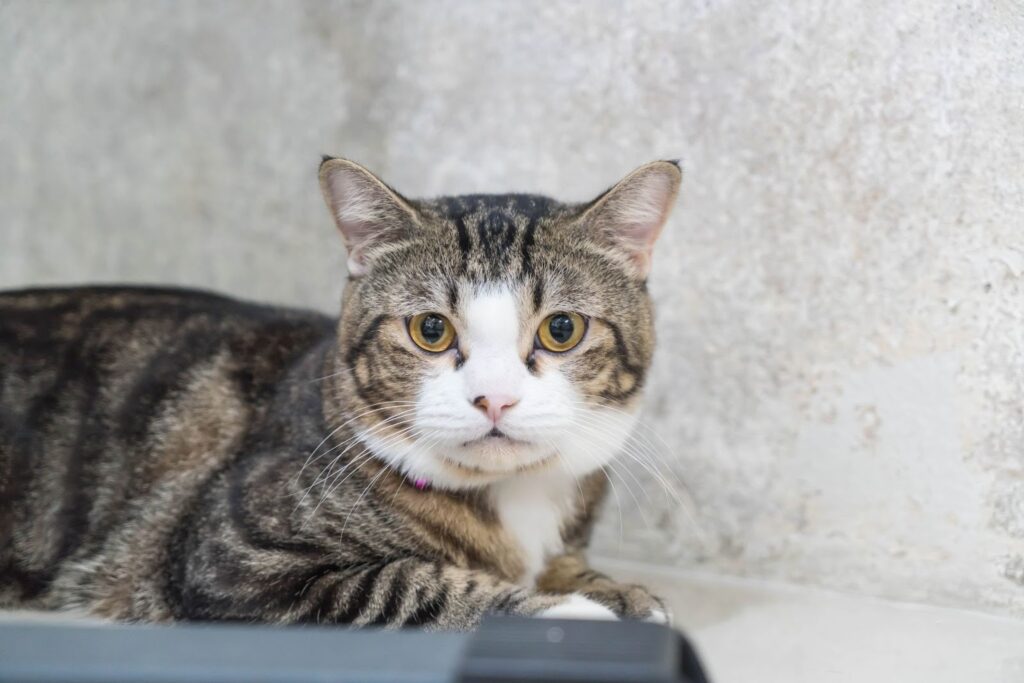
American Shorthair cats wear a coat that looks simple but works a little harder than it seems. Beneath the short outer fur sits a soft underlayer that quietly holds onto loose hair and dander. That trapped fur does not fall away on its own. It stays close to the skin and sheds slowly over time, which is why these cats seem to leave a light trail of hair all year.
Their skin also produces natural oils that keep the coat smooth and healthy. Without regular grooming, these oils do not spread evenly, which can lead to dryness, dullness, and mild skin discomfort.
This breed is often called low maintenance, but skipping grooming quickly shows up as extra fur on furniture, more hair swallowed during self grooming, and an increase in hairballs. For cats that feel uneasy during brushing, the choice of tools and a gentle approach can turn grooming into a calm, comfortable routine instead of a stressful experience.
Top American Shorthair Grooming Tools Recommended by Cat Owners
Experienced cat owners often agree on one thing. The right tools make grooming easier for both the cat and the human. American Shorthairs may not have long fur, but their dense coat benefits greatly from simple, consistent care using tools that are gentle and effective.
Everyday Grooming Tools
Soft Rubber or Curry Brushes
These brushes feel more like a relaxing massage than a grooming session. The soft rubber tips lift loose hair and dander from the coat without scratching or tugging at the skin. Many owners notice that even reserved cats settle down quickly when this brush is used because it feels similar to being petted.
Slicker Style Brushes with Fine Bristles
Slicker brushes are helpful for clearing out surface fur that refuses to fall away on its own. Used once or twice a week, they keep the coat smooth, reduce dander, and help spread natural skin oils evenly across the fur. This supports a healthier shine and prevents dryness.
Grooming Gloves
For cats that dislike traditional brushes, grooming gloves are often a favorite solution. You simply pet your cat as usual while the textured surface collects loose hair. This approach lowers stress, builds trust, and turns grooming into a bonding activity instead of a task.
Tools for Shedding Management
Shedding in American Shorthairs is not the same all year. It often increases when seasons change and daylight shifts. During these periods, a little extra help goes a long way in keeping loose fur under control without irritating the coat or skin.
Deshedding Implements Used Sparingly
When shedding becomes heavier than usual, deshedding tools can gently lift excess loose hair from the underlayer. These tools are helpful during peak shedding weeks but should not replace regular gentle grooming. Overuse can thin the coat or irritate the skin, so they are best used occasionally and with a light hand.
Fine Toothed Combs
A fine toothed comb is simple but very effective. It catches hairs that are already ready to fall out and helps spot tiny bits of debris or small tangles that brushing might miss. This makes it a useful follow up after playtime or long sessions by the window where dust and loose fur can settle into the coat.
Finishing and Inspection Tools
After the main grooming session, a quick finishing step helps ensure nothing is missed and keeps the coat looking its best while supporting skin health.
Bristle Tools for Polishing
Soft bristle tools gently smooth the coat and help spread natural skin oils evenly across the fur. Many cat owners notice a visible difference in shine and texture after using a bristle tool as the final step. It gives the coat a neat, healthy finish without removing additional hair.
Fine Metal Inspection Combs
These combs are excellent for a careful once over. They help detect tiny tangles, trapped debris, or small changes in the skin that may not be visible at first glance. They are particularly helpful for cats that enjoy rolling on blankets or exploring soft furniture where lint and dust can cling to the coat.
Paw and Nail Care Tools
Grooming goes beyond the coat. Healthy paws and well kept nails are essential for comfort, balance, and everyday movement.
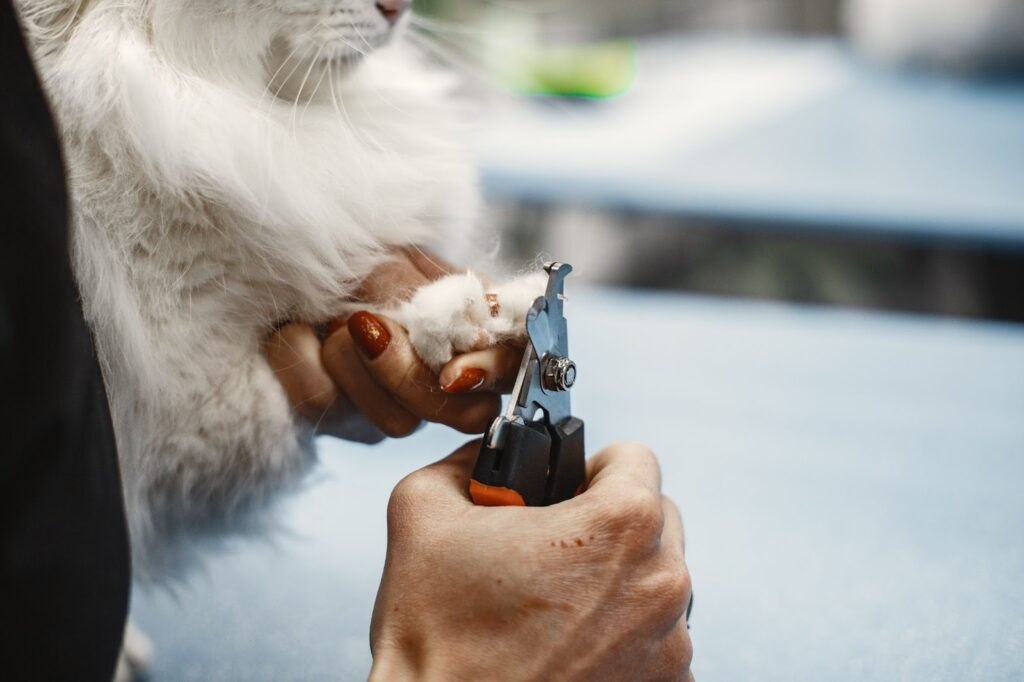
Safe Nail Trimmers or Gentle Grinders
Regular nail care prevents overgrowth, lowers the chance of accidental scratches, and keeps walking and climbing comfortable. Tools that allow steady control with minimal handling work best, especially for cats that are sensitive about their paws being touched.
Paw Health Check Aids
Soft brushes or gentle wipes make it easy to keep the paw pads clean while checking for trapped debris or early signs of irritation. American Shorthairs are active climbers and jumpers, so routine paw checks help catch small issues before they turn into discomfort.
How to Groom Your American Shorthair- Best Practices
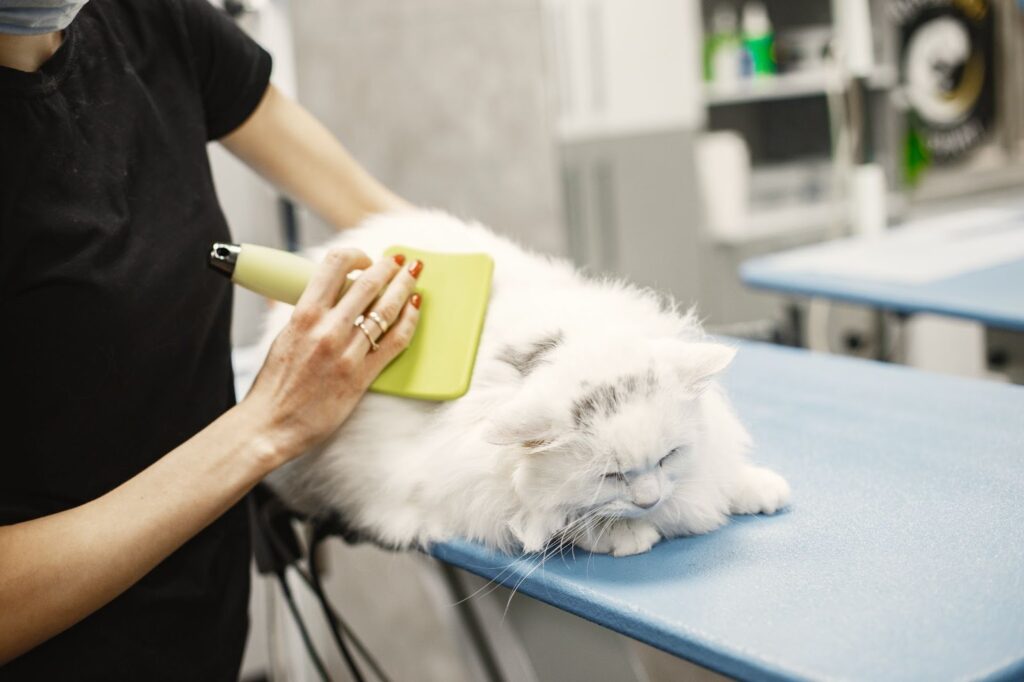
Having the right tools is only half the story. The way grooming is done plays an equally important role in keeping your cat relaxed and comfortable.
- Brush once or twice a week
Short and calm sessions work far better than long, tiring ones. Just five to ten minutes of gentle grooming is enough to remove loose fur and keep the coat healthy without overwhelming your cat. - Follow the direction of hair growth
This simple habit prevents pulling and makes each stroke feel smooth and natural. Your cat is far more likely to stay still when grooming feels comfortable. - Make the experience positive
Soft praise, a calm tone, and the occasional treat can turn grooming into a pleasant routine. Slow and intentional movements help your cat feel safe and unhurried. - Check the skin and coat regularly
A quick look while grooming can reveal small changes such as bumps, irritation, or hidden knots. Spotting these early keeps minor issues from becoming uncomfortable. If you notice ongoing redness, sores, or excessive scratching, a visit to the veterinarian is a wise step.
American Shorthair Grooming Tools Comparison Table
| Tool Category | Purpose | Best Use | Owner Benefit |
| Soft Rubber / Curry Brush | Lift loose hair, massage | Weekly or daily light grooming | Stress-free, calming touch |
| Slicker-Style Brush | Surface fur removal | Routine grooming | Reduces shedding, smooths coat |
| Grooming Gloves | Gentle fur removal | Sensitive or shy cats | Familiar, pet-like experience |
| Deshedding Tools | Undercoat fur removal | Heavy shedding season | Reduces hair buildup |
| Fine-Tooth Comb | Inspection & loose hairs | Follow-up grooming | Spot-check for debris/knots |
| Bristle Finishing Tool | Oil distribution | After main grooming | Enhances shine, smoothness |
| Nail Trimmers/Grinders | Nail maintenance | Every 2–3 weeks | Prevents overgrowth |
Conclusion- Grooming Tools That Work for Real Cats
American Shorthair cats are wonderfully low drama, and their grooming routine should feel the same way. With the right tools and a calm approach, grooming becomes less about “getting it done” and more about a few peaceful minutes your cat actually looks forward to. A little brushing here, a quick paw check there, and suddenly shedding is under control, the coat looks sleek, and your home has far less floating fur.
These tools are not picked from theory. They come from what real cat owners use every week and what pet care professionals know keeps coats healthy and cats comfortable. When grooming feels gentle and predictable, your cat relaxes and the whole routine becomes easier for both of you.
Want more stress free grooming tips and cat care advice that actually works in real homes? Visit Meow Care Hub and make every grooming session a happy one.
Vet Review: This content is reviewed for accuracy and safety by a licensed small animal veterinarian. The guidance reflects standard feline grooming practices that support healthy skin, coat care, and low stress handling for American Shorthair cats.
FAQs- Quick Answers with Expert Insights
1. What are the most effective American Shorthair grooming tools?
Tools that gently remove loose fur, such as rubber brushes, slicker-style brushes, and grooming gloves, are often the most effective. Combined with fine combs for detailed work, this set covers everyday needs.
2. How often should grooming tools recommended by cat owners be used?
For everyday maintenance, brushing once or twice a week is ideal. During heavy shedding periods, a bit more grooming helps keep fur under control.
3. Why are American Shorthair cat grooming tools different from other breeds?
Because of their dense, short double coat, these cats benefit from tools that lift loose hair without pulling or irritating sensitive skin. Long-hair tools aren’t necessary and can be less comfortable.
4. Can using the right grooming tools reduce hairballs?
Yes. Regular grooming removes loose fur before it’s ingested during self-grooming, which lowers the chance of hairball formation.
5. What should I do if my cat dislikes grooming?
Start with gentle, pet-like tools such as grooming gloves, keep sessions short, and pair grooming with praise or treats. A relaxed environment makes a big difference.
Medical Disclaimer
This article is intended for educational purposes only and does not replace professional veterinary advice, diagnosis, or treatment. Every cat is unique, and grooming needs may vary based on age, health status, skin conditions, or behavioral sensitivity. Always consult your veterinarian before introducing new grooming tools or routines, especially if your cat has existing skin issues, allergies, pain, or signs of discomfort.