
Grooming Tools to Reduce Hairballs in Long Hair Cat Breeds

If you live with a long-haired cat, hairballs are probably not a surprise. They are part of the reality that comes with all that beautiful, fluffy fur. Veterinary observations show that around 30 to 40 percent of long-haired breeds deal with frequent hairballs, especially cats with thick undercoats. The reason is simple. The more fur they groom off themselves, the more they end up swallowing.
The good news is that hairballs are often preventable with the right grooming routine. Regular brushing removes loose fur before it ever reaches the stomach. This makes grooming one of the most effective non-dietary ways to control hairballs. In this guide, you will discover the most useful long hair cat hairball grooming tools and techniques recommended by professionals and veterinarians to keep your cat comfortable, healthy, and far less likely to leave you an unpleasant surprise on the floor.
Why Hairballs Are Common in Long-Haired Cats
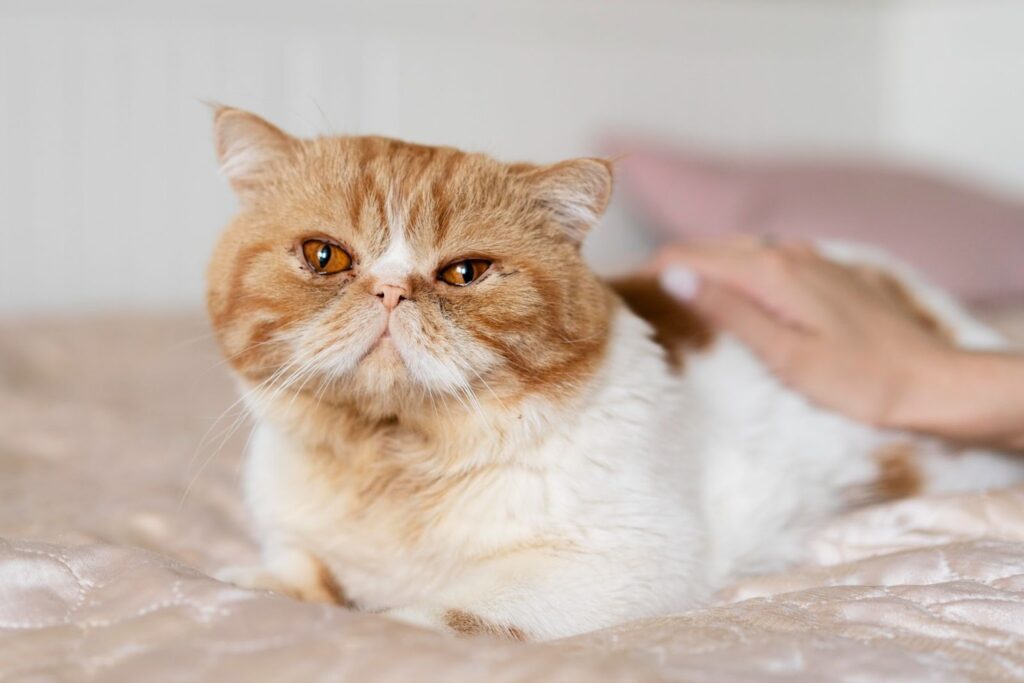
Hairballs, known medically as trichobezoars, happen when swallowed fur builds up in the stomach instead of moving smoothly through the digestive tract. Long-haired cats carry thick coats with dense underlayers, and during their daily self grooming, they end up swallowing far more loose hair than short-haired cats ever do.
When that loose fur is not removed through regular brushing, it has only one destination. It goes straight into the stomach. Over time, this collected fur forms hairballs that your cat must eventually bring back up.
This is exactly where hairball grooming tools for long hair cats become so important. These tools are designed to reach the undercoat, remove loose strands, and clear tangles before your cat has a chance to ingest them, making grooming one of the most practical and effective ways to control hairballs.
Essential Grooming Tools for Hairball Control
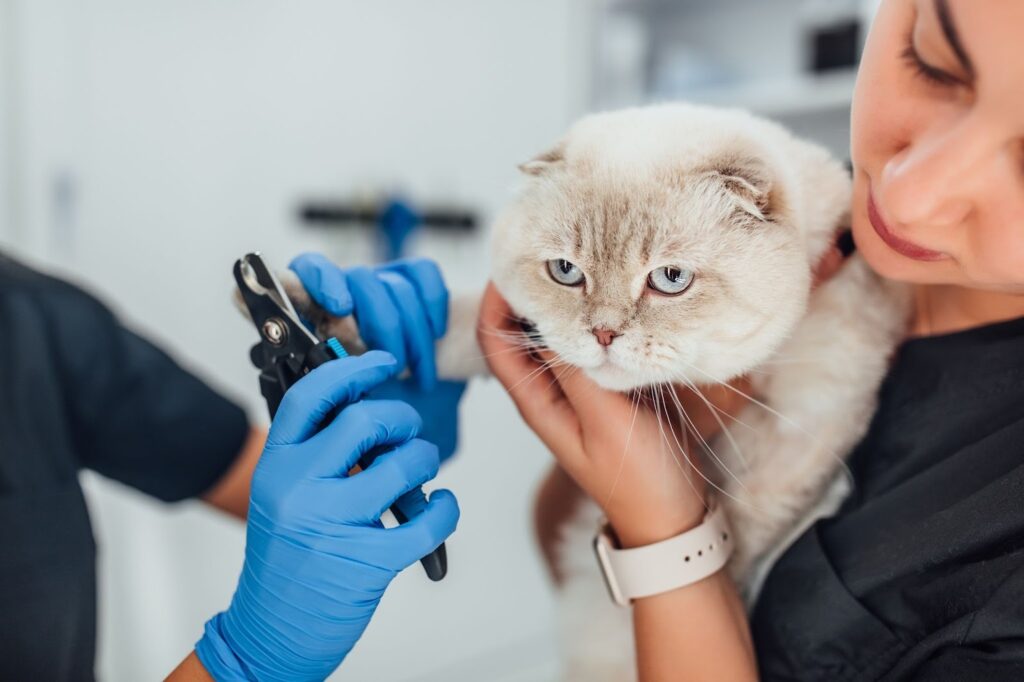
When it comes to preventing hairballs, the goal of grooming is simple. Remove as much loose fur as possible before your cat swallows it. The right tools help you reach deep into the coat, clear trapped hair, and prevent mats without irritating the skin.
- Metal Slicker Brush
A metal slicker brush with rounded tips is excellent for regular grooming. It lifts loose surface hair, loosens early tangles, and helps stop mats from forming. You will be surprised how much fur comes off in a single session that would otherwise end up in your cat’s stomach. - Grooming Rake
A grooming rake has longer teeth designed to reach into the thick undercoat where most loose fur hides. This step is crucial for effective hairball control in long-haired cats. - Fine and Coarse Metal Comb
A sturdy metal comb is perfect for checking tricky areas like behind the ears, the belly, and the legs. These spots often trap loose hair and small tangles that easily turn into mats. - Deshedding Tool
During shedding seasons, an undercoat deshedding tool can remove large amounts of trapped fur safely. This greatly reduces the amount of hair your cat can ingest during self grooming. - Mat Splitter or Dematter
Mats hold loose fur close to the skin. A mat splitter gently breaks these knots apart without the risks that come with using scissors on delicate feline skin. - Grooming Gloves or Mittens
Ideal for cats that are not fans of brushes. These gloves collect surface fur while feeling like a gentle petting session, making daily grooming easier and more relaxing. - Self Grooming Aids
Wall mounted or corner grooming brushes allow cats to rub against them and shed loose fur on their own during daily movement, adding extra help in controlling hair buildup.
Using a combination of these tools makes grooming one of the most effective ways to manage hairballs in long-haired cats while keeping the coat healthy and mat free.
How to Use Hairball Grooming Tools Effectively
Even the best grooming tools will not help much if they are not used the right way. A simple, consistent approach makes all the difference in preventing hairballs.
- Groom daily in short sessions instead of one long session once a week. This removes loose fur regularly before your cat can swallow it.
- Brush in the direction of hair growth to avoid pulling and to keep the experience comfortable for your cat.
- Spend extra time on key areas like the belly, behind the ears, and the rear legs where loose fur and tangles often hide.
- Check the skin as you groom for signs of irritation, debris, or small mats that are easy to miss.
- Never cut mats with scissors. Use a proper dematting tool or seek help from a professional groomer if the mat is tight.
Consistency is what turns these grooming tools into effective hairball prevention, keeping your long-haired cat comfortable and your floors a lot cleaner.
Grooming Tools for Hairball Control- Comparison Table
| Tool Category | Purpose | Best Frequency | Hairball Prevention Benefit |
| Metal Slicker Brush | Remove loose surface hair | Daily | Stops fur before ingestion |
| Grooming Rake | Reach deep undercoat | 2–3 times/week | Removes trapped shedding fur |
| Metal Comb | Inspect and detangle | As needed | Finds hidden loose hair |
| Deshedding Tool | Undercoat removal | Weekly in shedding season | Reduces volume of swallowed fur |
| Mat Splitter | Loosen tight knots | As needed | Prevents mats that trap fur |
| Grooming Gloves | Gentle surface grooming | Daily | Easy, stress-free fur removal |
| Self-Groomer | Cat self-maintenance | Always available | Continuous loose fur removal |
Conclusion- A Simple Routine That Protects Your Cat’s Health
Hairballs are more than just unpleasant surprises on the floor. When they happen often, it usually means your long-haired cat is swallowing too much loose fur. Using the right long hair cat hairball grooming tools with a gentle and consistent routine can greatly reduce how much hair ends up in your cat’s digestive system.
These tips come from professional grooming experience and veterinary understanding of how a cat’s coat and digestion work together. Just a few minutes of daily care can prevent discomfort, reduce matting, and keep that beautiful coat looking its best.
Grooming stops being a chore and starts becoming prevention.
For more practical cat care tips and expert-backed advice, visit Meow Care Hub and make everyday grooming easier and more effective for you and your feline companion.
Veterinarian Review: This content has been reviewed by certified veterinarians to ensure the grooming advice is accurate, safe, and suitable for long-haired cats prone to hairballs.
FAQs
1. What are the most effective long hair cat hairball grooming tools?
Metal slicker brushes, grooming rakes, metal combs, deshedding tools, and grooming gloves are the most effective for removing loose fur before it is swallowed.
2. How often should hairball grooming tools for long hair cats be used?
Daily light grooming and deeper sessions 2–3 times per week work best, especially during shedding seasons.
3. Do grooming tools for hairball control completely stop hairballs?
They cannot eliminate hairballs entirely, but they significantly reduce their frequency and severity by minimizing fur ingestion.
4. Are these tools safe for all long-haired breeds?
Yes. These tools are safe and recommended for long-haired breeds when used gently and correctly.
5. What technique improves hairball prevention the most?
Short, daily grooming sessions focusing on undercoat removal and problem areas make the biggest difference.
Medical Disclaimer
The information provided is for educational purposes only and is not a substitute for professional veterinary care. If your cat experiences frequent hairballs, vomiting, skin issues, or any unusual symptoms, consult a licensed veterinarian for personalized guidance.