Best Grooming Gloves for Long Hair Cats That Hate Brushing

If you live with a long-haired cat, you’ve likely noticed that self-grooming alone isn’t enough. According to the AAFP cats may spend 30–50% of their waking hours grooming, but long fur is difficult to manage with just their tongues. Dense coats, underarms, bellies, and the tail base are hard to reach, which is why mats and tangles form so easily.
Veterinarians and animal hospitals commonly recommend regular, often daily, brushing for long-haired cats to prevent painful matting, reduce hairballs, and protect the skin underneath. Mats aren’t just a cosmetic issue; they can pull on the skin, trap moisture, and cause real discomfort if ignored.
In everyday homes, though, many long-haired cats don’t tolerate traditional brushes. Forcing grooming often leads to stress and damaged trust. This is where gentler options like grooming gloves can help, especially for cats that resist brushing. Gloves feel more like petting while still removing loose fur and reducing early tangles.
Understanding Your Cat’s Grooming Needs
Long-Haired Cats & Grooming Challenges
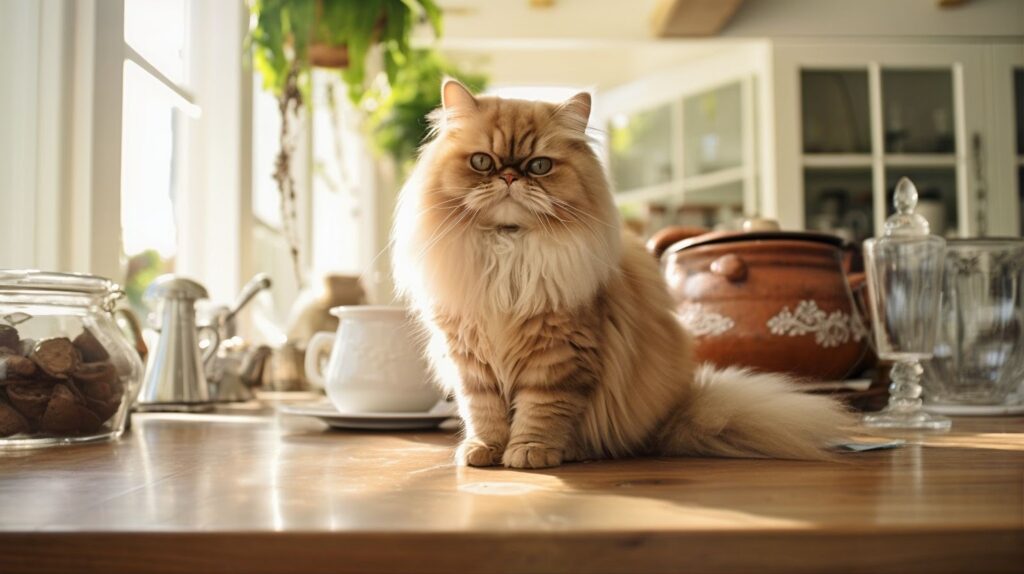
Long hair looks beautiful, but it comes with real maintenance challenges. In long-haired cats, shed fur doesn’t fall away easily, it gets trapped in the coat. Over time, this loose hair twists into tangles and mats, especially in high-movement or friction areas. When cats swallow excess loose fur while grooming, it also increases the risk of hairballs, which can lead to digestive discomfort.
Regular grooming does more than manage fur. It keeps the skin healthy, helps distribute natural oils, improves blood circulation, and allows early detection of skin issues like irritation, dryness, or hidden sores. From practical experience, cats that are groomed gently and consistently are simply more comfortable and more relaxed in their daily movement.
Behavioral Challenges: Why Some Cats Hate Brushing
Not all cats dislike grooming, but many dislike how it feels. Stiff bristles, pulling at knots, or past painful experiences can make brushing stressful. Some cats are highly sensitive to texture or pressure, while others associate brushes with restraint or discomfort. Once that negative association forms, even seeing a brush can trigger avoidance or defensive behavior.
Grooming Gloves vs Cat Brushes — What’s Best?
1. Grooming Gloves vs Cat Brushes — Key Differences
At a basic level, both tools aim to remove loose fur, but they feel very different to a cat.
Cat brushes are designed to pull shed hair out of the coat. While effective, many brushes feel unfamiliar, apply pressure in one direction, or tug slightly at the fur, especially if there are early tangles. For cats with sensitive skin or past bad experiences, this can trigger instant resistance.
Grooming gloves, on the other hand, work while you pet your cat. The soft rubber or silicone tips lift loose hair as your hand moves naturally over the body. To most cats, it doesn’t register as grooming, it feels like attention. That simple difference is why gloves often cause less stress, fewer swats, and more cooperation, especially with brush-averse cats.
2. Grooming Gloves vs Brushes for Long Haired Cats
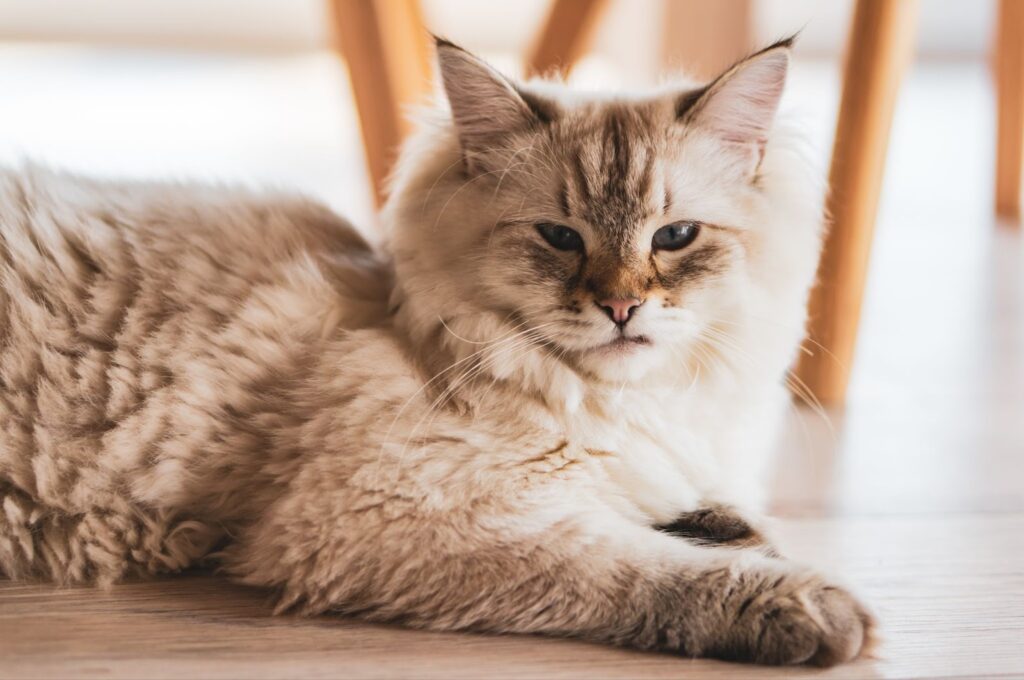
Long haired cats have semi-long, silky fur that mats easily despite lacking a thick undercoat. Their coat tangles most around the chest, belly, and behind the legs, areas many cats dislike having brushed.
Long haired cats are also known for being gentle and people-oriented, but that doesn’t mean they enjoy brushing. In fact, many cats freeze, flop, or walk away when a traditional brush comes out.
For cats that hate brushing, grooming gloves are often better tolerated. They allow you to remove loose fur during calm cuddle sessions, reducing shedding and preventing small tangles before they turn into mats. Brushes still have a place, but gloves are often the easiest way to maintain trust while keeping the coat manageable.
3. Grooming Tools for Long haired Cats — Overview
From real-world grooming routines and vet-aligned guidance, the most practical setup for long haired cats usually includes:
- Grooming gloves – for daily or frequent maintenance, bonding, and stress-free deshedding
- Wide-tooth metal combs – for gently checking problem areas and catching early tangles
- Detangling or mat-splitting tools – used sparingly and carefully for small knots
No single tool does everything. The goal isn’t perfection, it’s consistent, comfortable grooming your long haired cats actually accepts.
What to Look For in Top Grooming Gloves
Not all grooming gloves are equal, especially for long-haired cats. The best ones are made from soft, flexible, pet-safe materials that move naturally with your hand. When a glove feels like normal stroking, cats are far more likely to stay relaxed instead of pulling away.
For long fur, widely spaced, flexible pins matter more than firm or tightly packed ones. They lift loose hair from the surface without dragging through the coat or catching on early tangles. This is especially important for cats with silky or fine fur that mats easily.
A good glove should also be easy to clean and thoughtfully designed, no sharp metal teeth, no stiff edges, and nothing that could scrape sensitive skin. If it doesn’t feel safe against your own hand, it won’t feel safe to your cat either.
For cats that hate brushing, grooming gloves change the experience completely. Instead of restraint and pulling, grooming feels like affection. This alone can lower stress and reduce defensive behavior over time.
Used regularly, gloves still do real work: they remove loose fur, dander, and surface shedding before it ends up swallowed during self-grooming. Over the long term, this helps reduce mat formation, especially when used consistently in high-risk areas.
Step-By-Step Grooming Routine for Long-Haired Cats
Step 1: Prepare Your Cat
- Choose a calm, quiet time when your cat is relaxed.
- Sit at their level and keep short sessions (5–10 minutes).
- Have treats ready for positive reinforcement.
Step 2: Start with Grooming Gloves
- Put on a soft, flexible grooming glove.
- Use gentle strokes in the direction of hair growth.
- Begin at the head and move toward the tail.
- Focus lightly on high-tangle areas like the chest, armpits, and behind the legs.
Step 3: Reward Your Cat
- Offer a treat or praise after each session.
- Keep the experience positive and stress-free to build trust.
Step 4: Deal with Mats (if any)
- For small tangles, switch to a wide-toothed comb.
- Gently loosen the mat without pulling on the skin.
- Return to the grooming glove to remove loose hair and relax your cat.
Step 5: Finish Calmly
- End the session while your cat is still calm.
- Store tools within reach for the next short session, making grooming routine and predictable.
When to Seek Professional Help or Vet Advice
Even with regular at-home grooming, some situations require a professional touch. If you notice deep mats that won’t loosen, redness or sores under the fur, or excessive scratching and hair loss, it’s time to seek expert help. Grooming isn’t just about appearance, veterinarians treat it as a health check, since issues like skin infections, parasites, or inflammation can hide beneath dense fur. Professional groomers can safely tackle stubborn tangles without stressing your cat, and a vet can catch problems early before they become serious. Combining at-home care with timely professional support keeps your cat comfortable, healthy, and stress free, ensuring both coat and skin stay in top condition.
Final Thoughts
For long-haired cats that dislike brushing, grooming gloves provide a practical and compassionate solution. They respect the cat’s comfort while still handling essential grooming needs like fur removal and mat prevention.
Understanding the difference between grooming gloves and traditional brushes helps cat parents choose tools that work with feline behavior rather than against it. Gloves are especially effective for daily maintenance and stress-free grooming, making coat care easier for both cat and owner.
Healthy grooming isn’t about forcing compliance, it’s about building routines your cat accepts willingly, protecting both their physical health and emotional well-being. With the right tool and approach, grooming stops being a chore and becomes quality bonding time. 🐾
Keep your long-haired cat happy and tangle-free with Meow Care Hub’s stress-free grooming tips!
Vet-Reviewed: Content reviewed using guidelines from U.S.-based feline care veterinarians to ensure safe and effective grooming practices.
FAQs
1. What’s better for a long-haired cat that hates grooming, grooming gloves vs cat brushes?
Grooming gloves are usually the best choice for cats that resist brushing. They feel like gentle petting while collecting loose fur, which reduces stress and encourages cooperation. Traditional brushes work well for tolerant cats but may cause discomfort or anxiety in sensitive felines. Regular glove use can prevent mats and hairballs effectively.
2. Are grooming gloves or brushes better for long-haired cats’ fur maintenance?
Grooming gloves are ideal for daily maintenance because they remove loose fur gently without pulling. Brushes can be used occasionally for deeper grooming, but gloves help cats feel calm and relaxed during each session.
3. What grooming tools are recommended for mats and tangles in long-haired cats?
The most effective grooming tools include gloves for daily use, wide-tooth combs for loosening small knots, and professional grooming assistance for severe mats. Short, consistent sessions prevent tangles from forming and reduce the risk of painful mats.
4. How do grooming gloves vs brushes compare when a cat dislikes brushing?
Gloves are far more stress-free for cats that dislike grooming. They allow fur removal while the cat feels like it is being petted. Brushes may remove hair faster but can be perceived as invasive. Using gloves regularly with combs for problem areas provides a gentle, effective solution.
5. How often should long-haired cats be groomed?
Daily grooming is recommended for long-haired cats. Even brief sessions help remove loose hair, prevent mats, and maintain healthy skin. Weekly combing for minor tangles ensures the coat stays soft and smooth without causing stress.
Medical Disclaimer: This guide is for informational purposes only and does not replace professional veterinary advice. Always consult your veterinarian before making changes to your cat’s grooming routine, especially if your cat has health concerns or special needs.