The Vet’s Guide to British Shorthair Cats: Facts, Care, and Training Tips
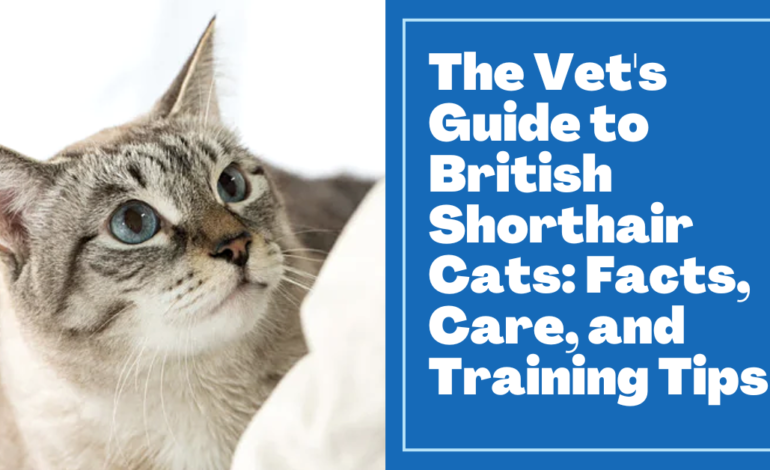
Well, the British Shorthair cat is, of course, a round-faced, plush feline that has a calm temperament. Quite a few people would want to snuggle with some of the British Shorthair cats. The breed is very affectionate, smart, and easy to tame, making itself ideal for families or single persons. Although the coat is nothing else but short and a little maintenance free, British Shorthairs do shed and therefore need frequent grooming to maintain a healthy coat and lessen the loose hair.
In this guide, we will explain the care tips, grooming details, and health conditions concerning your British Shorthairs. Even if you have British Shorthair shedding or researching to discover the best brush for British Shorthair , we will help you out by providing information on the best cat brush for British Shorthair.
Getting to Know the British Shorthair Cat
Having a round face and chubby cheeks, coupled with a dense, plush coat, British Shorthairs are strikingly beautiful. Despite their seemingly large sizes, these breeds do well with calmness and possess great affection, making them ideal pets for every household. The friendly disposition and nonchalant tend to make these pets more of a companion to families, singles, and even other pets.
Appearance: British Shorthairs are generally seen in different colors and patterns as regards the coat. However, the most recognized is the blue-grey coat they wear commonly called the British Blue. Being double-coated, undercoat and topcoat is equally present, which is why shedding occurs in this breed and requires regular grooming.
Temperament: British Shorthairs, contrary to their nature, are independent, even though they are generally friendly and well fit by children and other pets. And the relaxed nature qualifies them for easy caring and being part of the family without demanding much.
Understanding British Shorthair Shedding
British Shorthairs are very much known for their double coat and are certainly one of the most shedding breeds. Their undercoat and topcoat add to the shedding effects during shedding seasons, that is, spring and autumn. Regular grooming will certainly help in limiting the amount of loose fur at home along with the prevention of hairballs and matts.
British Shorthair shedding: This is all the more reason for an owner to train him in brushing regularly. One, it lessens the amount of loose hair around home; two, it avoids an unpleasant coat-tangle-hairball situation; and even three, it helps your British Shorthair enjoy the comfort, cleanliness, and ease that regular grooming ensures while minimizing shedding.
Best Brush for British Shorthair Cats
To manage British Shorthair shedding and grooming needs, it’s essential to choose the right brush. Here are some of the best options to maintain their dense, plush coats:
- GoPets Professional Double-Sided Pin & Bristle Brush – This brush features a pin side for detangling mats and a bristle side that helps bring out the shine of your cat’s coat, making it perfect for British Shorthairs.
- Safari Self-Cleaning Slicker Brush – Though designed for long-haired cats, this brush works wonderfully for British Shorthairs too, helping to remove mats and loose hair.
- Aumuca Cat Brush for Shedding –This brush features soft silicone bristles that gently massage your cat’s skin while effectively collecting loose fur.
Caring for Your British Shorthair Cat: Basic Tips
British Shorthairs display affection and calm demeanor; however, their proper management is needed for survival and good health. Below are some essential tips:
- Feeding:
They require a proper diet consisting of high-quality cat food to prevent obesity. Feed them twice or thrice daily, and make sure that freshwater is available for hydration. - Hydration:
Offer them fresh water with a preference for a fountain to promote adequate drinking and prevent troubles with urination. - Health Check-ups:
Schedule visits to the vet for vaccinations, flea treatments, and dental care. Since British Shorthairs have a tendency toward heart and kidney issues, early diagnosis will prove beneficial. - Grooming:
Brush their thick coat once or twice a week not only to minimize shedding and matting but also to check for skin problems or parasites.
Grooming Your British Shorthair: Keeping That Plush Coat Healthy
British Shorthairs have thick soft coats which need regular grooming care so their fur remains both healthy and looks attractive. Regular cat grooming serves two main purposes because it benefits both cosmetic appearance and feline health. Here’s what you need to know:
- Brushing Frequency:
Daily brushing of your British Shorthair’s coat will help it stay in peak condition. Regular brushing of this short fur dog removes loose hairs effectively which decreases shedding while simultaneously stopping mat formation. - Tools for Grooming:
You should select either a soft-bristled brush which specializes in short-haired cat grooming or a slicker brush which was designed particularly for this type of coat. Brushes with their effective dead-hair removal abilities help distribute natural body oils for a shiny and healthy British Shorthair coat appearance. - Importance of Grooming:
The elimination of matting requires routine grooming effort to prevent fur from tangling since this occurs commonly near the neck and under the arms region. The act of grooming enables you to identify skin problems including flea attacks or dryness or skin irritation at an early stage. Regular brushing promotes skin blood circulation that leads to maintaining a healthy soft coat along with shiny appearance. - Health Benefits:
Grooming enables us to check for various health concerns as well as coat health through its systematic process. The practice serves as an outstanding opportunity for you to create a bond with your cat while providing benefits to its health.
Handling British Shorthair Shedding: How to Reduce Fur Around the Home
The British Shorthair sheds at a normal level yet their short dense coat requires basic upkeep while they loose more hair intensely throughout spring and autumn. These steps will help you control shedding while decreasing fur buildup in your house:
- Establish a Grooming Schedule:
Schedule weekly brushing of your British Shorthair cat to prevent fur damage by using it on their coat twice per week for shedding removal. When shedding seasons occur, boost your cats brushing schedule until you successfully control their excessive hair loss and prevent trapped hair in your home. - Use the Right Tools:
A slicker brush or rubber grooming mitt provides the best option for collecting loose hair. The grooming tools effectively gather shedding fur from your cat’s skin without causing discomfort and boost the process efficiency. - Bathing (Occasionally):
Occasional bathing for British Shorthairs makes sense when active shedding happens although most cats do not require frequent baths. A shampoo made for cats along with thorough drying is necessary after using the shampoo. - Control Fur in Your Home:
A pet-friendly vacuum or lint roller serves as effective tools to clean your home from British Shorthair fur accumulation. Installing washable furniture covers will minimize the quantity of fur which gets caught on your home furniture. - Maintain a Healthy Diet:
A balanced diet containing omega-3 and omega-6 fatty acids provides beneficial effects on skin health and minimizes unnecessary shedding from your British Shorthair. When people stay hydrated it helps them maintain proper coat health.
Health Considerations: Common Issues in British Shorthairs
British Shorthairs remain naturally healthy but have specific hereditary health problems. The right care combined with proper attention allows owners to both avoid certain issues and control existing ones. British Shorthairs experience particular health challenges together with strategies for prevention which include the following possible concerns:
- Obesity:
British Shorthairs develop obesity issues because their relaxing temperament and strong food-seeking behavior combine together. Joint problems and diabetes along with heart issues develop from obesity. A balanced diet together with controlled portions and exercise activities help prevent obesity in cats. Playtime along with interactive toys functions as a method to maintain their physical activity. - Heart Disease:
Hypertrophic cardiomyopathy (HCM) represents a natural heart condition for British Shorthairs because their heart muscles become abnormally thick which impairs blood circulation. The detection of any health issues must begin with regular veterinary check-ups. The prevention of heart problems together with maintaining appropriate weight reduces the chances of heart diseases. - Dental Care:
Gum disease along with tooth decay appears commonly in British Shorthairs. Daily toothbrushing for your feline companion using a suitable dental product helps stop stubborn tartar from forming which enables maintaining good dental health. Your British Shorthair needs dental treats along with chew toys to better their oral health and get annual vet cleanings at scheduled appointments. - Urinary Tract Problems:
British Shorthairs share with other cats the susceptibility to urinary tract infections and kidney problems during their later years. Urinary problems in cats can be avoided by keeping fresh water available constantly while choosing wet food for their diet. Monitoring kidney function through regular visits to the veterinarian serves to detect minor symptoms of potential health concerns. - Joint Issues:
British Shorthairs possess strong muscular bodies that can make them more susceptible to the development of arthritis together with hip dysplasia as they reach older age. Healthy supplements for weight maintenance combined with possible joint supplements prescribed by veterinarians help manage these health conditions.
Training Your British Shorthair Tips for a Well-Behaved Cat
British Shorthairs showcase bright intelligence while being attentive to humans thus they learn directions with ease. The following guidelines provide essential training advice for British Shorthairs regarding litter box education and trick teaching methods and behavior modification strategies:
- Litter Box Training:
British Shorthairs learn to use the litter box territory naturally and litter box training generally proceeds without difficulty. To ensure success:
- Offer your British Shorthair a nice, approachable spot containing the litter box. Position the box in a secluded and silent area.
- Most British Shorthairs like using clumping or fine-grain type of litter.
- You should scrape litter from the box every day and perform a complete litter replacement once per week.
- Keep the litter box in a quiet area with no stress yet ensure the safety of the space by adding additional boxes for your cat across different home __cpLocations.
- Trick Training:
Because they possess high intelligence British Shorthairs learn simple commands although they tend to be less inclined to execute tricks than other breeds. Start with basic training:
- Treats and verbal praise should be used as positive reinforcers for correct behavior.
- You should train your British Shorthair to execute basic commands through clicker training or verbal cues which you combine with treats.
- Training British Shorthairs should stay brief because these cats lose interest during sessions exceeding 5-10 minutes.
- Your persistence together with consistent effort will eventually yield results through a few scheduled training bouts.
- Behavior Management:
British Shorthairs display good behavior among their peers but at times they will display undesirable behaviors as all cats do. Here’s how to manage them:
Scratching: Your British Shorthair can practice appropriate scratching by using dedicated scratching pads and posts placed in active areas. Position the scratching posts next to preferred areas that your feline prefers for scratching such as items they attack.
Biting or Nipping: Redirect your cat toward toys whenever they bite or nip instead of using their hands as playthings. Do not let your hands become part of your British Shorthair play activities.
Play aggression: A few British Shorthairs develop excessive play energy resulting in tough and forceful play during their activities. You should immediately pause the play when the cat gets out of control then return to play when the cat shows signs of calming down.
- Socialization:
British Shorthairs maintain a friendly disposition that brings them pleasure when spending time with their humans. Early socialization of your cat with various people and places will help them develop good behavior in various situations. Introduce novelty to your cat with a step-by-step approach while giving treats and praises to those who remain relaxed during such interactions.
Conclusion
British Shorthairs serve perfectly as family pets because they maintain a docile personality together with intense affection toward their human caretakers. The combination of adequate care practices with regular grooming sessions and nutritious diets and routine veterinary check-ups will lead to a healthy and long-lasting happy life for your British Shorthair. The trainable traits of these cats enable them to adapt well to different living arrangements while people use their capabilities for shedding management and health prevention and trick teaching.
Searching for more expert knowledge about British Shorthair caregiving and multiple cat breeds should lead you to Meow Care Hub as your reliable source. Discover personalized cat care solutions by visiting our website along with additional information available there.
Frequently Asked Questions (FAQs) About British Shorthair Cats
- Do British Shorthairs get along with other pets?
Yes, British Shorthairs are generally known for their calm and sociable nature. They usually get along well with other pets, including dogs and other cats, especially if properly introduced at a young age. However, as they tend to be independent, they might prefer their own space and may not always engage in overly playful interactions with other animals. - How often should I take my British Shorthair to the vet?
It’s recommended to take your British Shorthair for a routine check-up at least once a year. This includes vaccinations, flea treatments, and overall health assessments. For senior cats (over 7 years old), it’s a good idea to visit the vet every six months to monitor for age-related health concerns such as arthritis or heart disease. - Are British Shorthairs prone to any health problems?
Yes, British Shorthairs can be prone to certain health issues, including obesity, heart disease (such as hypertrophic cardiomyopathy), and dental problems. Regular vet check-ups, a balanced diet, and proper dental care can help prevent or manage these conditions. - How much exercise does a British Shorthair need?
While British Shorthairs are not overly active, they do benefit from regular playtime to maintain a healthy weight and avoid obesity. Aim for short sessions of interactive play with toys, such as feather wands or laser pointers, to keep them engaged and active. - Do British Shorthairs shed a lot?
British Shorthairs shed moderately, with more noticeable shedding during seasonal changes (spring and autumn). Regular grooming, brushing once or twice a week, helps manage shedding and reduces loose fur around the home.